










Cross Training



Best Cross Trainer Equipment, Matched to How You Train
The best cross-trainer equipment delivers full-body, low-impact cardio that spares your knees, hips, and back. Also called elliptical cross trainers, these standing machines suit first-time home users, active seniors, and busy commercial gyms alike. Hamilton Home Fitness carries them from around $615 to $6,299, from home models to commercial-grade.
Setting up a spare-room gym or outfitting a studio floor? The right machine comes down to fit, feel, and build. This guide covers what a cross trainer does, how to choose one, and which range matches your goals and budget.
What a cross trainer does
A cross trainer is a standing cardio machine that moves your feet through a smooth oval path while your arms push and pull the handles. You work your legs, glutes, core, and upper body together without the joint pounding of running.
The low-impact motion is the main draw. Your feet stay on the pedals through every stride, which eases the load on your knees and lower back while still lifting your heart rate. A brisk session burns real calories and builds endurance, with the exact burn depending on your pace, weight, and time on the machine.
What's the difference between a cross trainer and an elliptical? In everyday use, the two words mean the same machine. "Cross trainer" usually points to a model with moving handlebars that also train the upper body, while "elliptical" sometimes describes a legs-only version with fixed grips. Most machines worth buying, including the ones here, do both.
Are cross trainers good for bad knees? Many people with sensitive joints choose them because the stride stays controlled and low-impact, far gentler than running. If you're recovering from an injury or managing a condition, check with your doctor or physical therapist before you start.
How to choose cross-trainer equipment
Start with three things: the stride length your height needs, the resistance you'll grow into, and the space you have. Get those right, and the rest is preference.
Stride length decides comfort. Too short and you'll shuffle; too long and every step overstretches your hips. What stride length do I need for my height? As a rough guide, under 5'3" is happy with a 14–16 inch stride, 5'4"–5'8" wants 16–20 inches, and 5'9" and taller needs 20 inches or more.
Flywheel weight and resistance set how the machine feels underfoot. A heavier flywheel keeps each stride smooth instead of jerky, and magnetic resistance with plenty of levels lets your sessions get harder as you do. Want tougher work? A powered incline shifts the effort onto your glutes and hamstrings.
Use this checklist to compare models quickly:
✅ Stride length sized to your height
✅ Heavier flywheel for a smoother glide
✅ Magnetic resistance with room to progress
✅ Drive layout that matches your stride
✅ Powered incline for tougher intervals
✅ User weight limit with headroom to spare
✅ Footprint that clears your floor and ceiling
✅ Console with app and heart-rate options
✅ Home-grade or commercial-grade frame
✅ Warranty plus dealer support you can call
Front, rear, or center drive?
Drive type is where the flywheel sits, and it shapes how the stride feels more than how well the machine works. None is objectively ""best"—pick the feel and footprint that suit you.
- Front drive places the flywheel ahead of the pedals for a more upright, stair-climbing feel. These tend to be compact, budget-friendly, and generous with incline. Brands like Matrix, which we carry, build front-drive machines.
- Rear drive puts the flywheel behind you for a flatter, longer, and famously smooth stride. It's simpler mechanically, runs quieter, and is the layout most commercial gyms have relied on for years.
- Center drive sits the flywheel beside the pedals for the smallest footprint and a long, even stride. It's usually the priciest and least common, but it's the one to beat when floor space is tight.
Do the three drive types really feel different? Yes, noticeably. Front drive leans toward a climbing motion, rear drive toward a natural flat glide, and center drive toward a compact, balanced stride. Step on each if you can before you decide.
How much space does a cross trainer need? Compact home models tuck into a corner, while commercial units need more floor and overhead clearance. Measure your room first, and leave space to step on and off safely.
Ranges, prices, and who they suit
Whatever your budget or setting, there's a fit here. The lineup runs from a simple magnetic trainer for a spare bedroom to commercial machines built for constant traffic, roughly $615 to $6,299.
| Tier | Best suited for | What to look for | Price (from) |
|---|---|---|---|
| Home essentials | First setups and daily low-impact cardio | Quiet magnetic resistance, compact footprint | ~$615 |
| Premium & incline | Serious home training, HIIT, glute focus | Powered incline, longer stride, app sync | ~$1,935 |
| Commercial-grade | Studios, hotels, and high-traffic gyms | All-day durability, multi-user warranty | ~$3,599 |
Most home buyers start with a quiet, compact magnetic model like the Horizon Fitness 7.0 AE — easy to run and easy to place. Step up and you'll find incline and HIIT trainers for harder intervals, plus cordless, self-powered models you can set up anywhere without an outlet.
For facilities, the Matrix Fitness range is built to take constant, multi-user use. Outfitting a whole room? Our team can map equipment to your space and budget — just book a gym design.
Home-grade or commercial-grade? A simple rule keeps you from over- or under-buying: if one or two people will use the machine a few times a week, a home-grade model is plenty. Choose commercial-grade only when several people will train on it daily, as in a gym, studio, or hotel — that's exactly what the heavier frames and longer warranties are built for.
Compare the full range and order online, or request a quote for a larger build.
Buy from Hamilton Home Fitness
Buying here means real brands, an authorized dealer standing behind them, and support after the sale. Hamilton Home Fitness ships nationwide across the US and carries 40-plus brands, with free shipping on select lines including Spirit Fitness and Body-Solid.
A cross trainer pairs naturally with the rest of your cardio. Many buyers add a treadmill for higher-impact running days or a rowing machine for another low-impact, full-body option, all within our wider cardio equipment range.
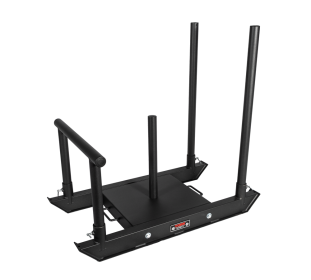
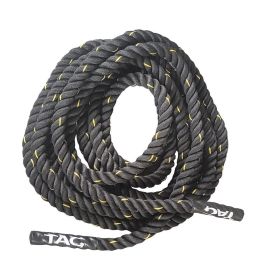
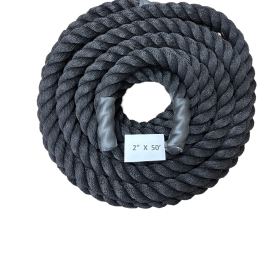
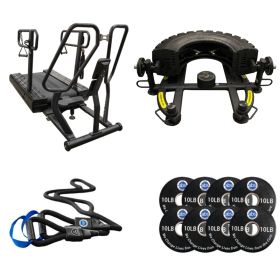
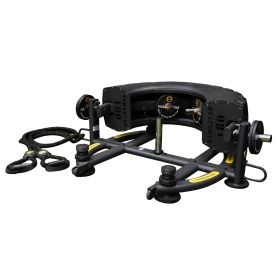
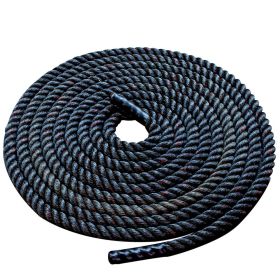
The Cross Training category also stocks functional tools — plyo boxes, battle ropes, dip stations, pull-up bars, and workout sleds — if you're building strength and conditioning alongside your cardio.
Ordering is straightforward, returns are supported, and warranty terms are listed on each product page. Find your cross trainer today, or request a quote for a facility build.
Cross trainer FAQs
Best cross trainer for a first home gym?
An entry-level magnetic model is the easy place to start — quiet, compact, and simple to run, with enough resistance to keep you progressing for a long time. It's the lowest-fuss way to build a daily low-impact cardio habit at home.
Is a cross trainer tough enough for a gym?
Commercial-grade machines are engineered for all-day, multi-user traffic in gyms, studios, and hotels. Home-grade models aren't built for that load. For a facility, request a quote and we'll match durable models to your expected use.
Should I pay more for incline or HIIT?
Only if you want harder sessions or more glute and hamstring work. A powered incline adds that range and variety, while a fixed-stride machine is simpler and still highly effective for steady cardio.
What is a cordless, self-powered trainer?
It's a machine that generates its own power from your movement, so the console runs without being plugged in. That lets you place it anywhere in a room, not just beside an outlet.
Is a cross trainer hard to move once placed?
Home models are manageable, but commercial units are heavy and meant to stay put once installed. Pick the spot before delivery, and leave clearance to step on and off and to reach the machine for cleaning.
Can you help me choose or plan a gym?
Yes. If you're unsure which machine fits your height, goals, or room, our team can steer you to the right model. Planning a whole space? Book a gym design and we'll map equipment to your floor plan and budget.
Nationwide shipping and warranty terms?
Hamilton Home Fitness ships across the United States, with free shipping on select brands. Warranty terms vary by brand and model and are listed on each product page, and we sell as an authorized dealer for every line we carry.
Ready to train with low-impact cardio that lasts? Compare the range, order online with nationwide US shipping, and lean on free delivery on select brands — or request a quote and let our team match the right machines to your space.
Secure Payments