Authorized:











Weightlifting Platforms
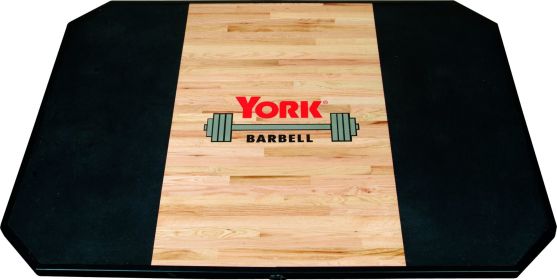
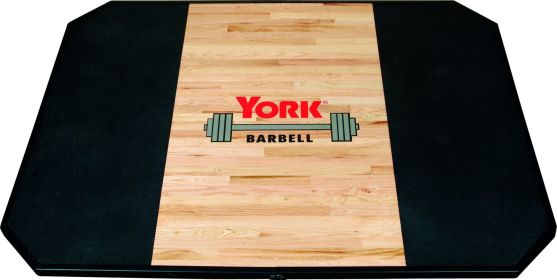


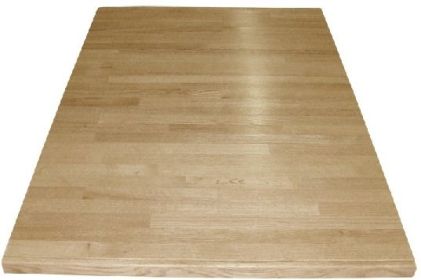
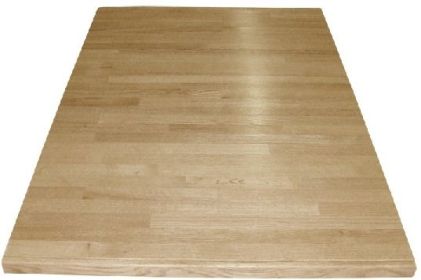
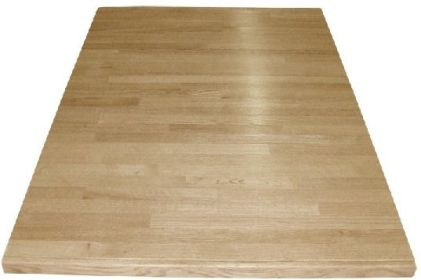
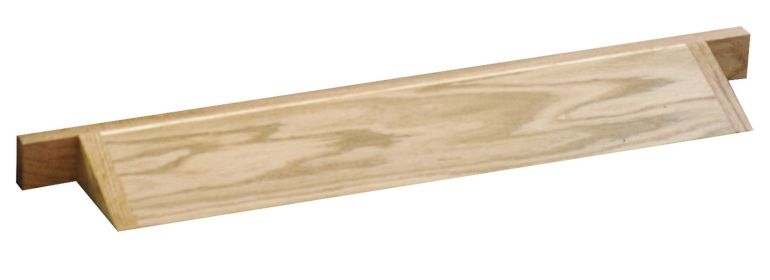
Weightlifting Platforms for Home and Commercial Gyms
A weightlifting platform is a purpose-built lifting surface that absorbs barbell impact, protects your floor, and gives you a stable base for deadlifts, squats, and Olympic lifts. Hamilton Home Fitness builds solid red oak platforms in 8x4, 8x6, and 8x8 sizes for home and commercial gyms, shipped nationwide from Tennessee. Every platform below is part of our cross-training range, and this guide walks you through picking the right one.
What a weightlifting platform does
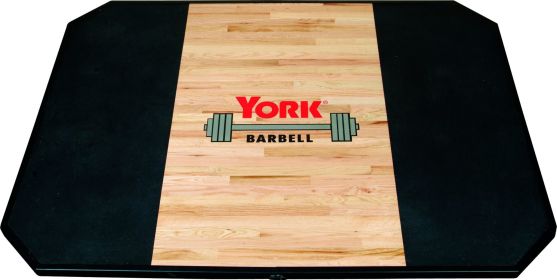
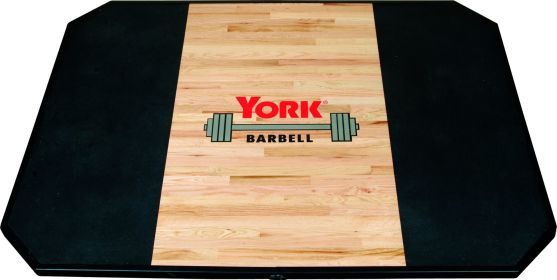
A platform gives you three things at once: a solid base, floor protection, and quieter lifts. The solid red oak center keeps your stance and bar path consistent rep after rep. Rubber zones on the outer thirds take the hit when loaded plates land, so the impact never reaches your slab.
That combination makes a platform useful across very different training spaces:
- Home and garage gyms that need a defined, floor-safe lifting spot
- Commercial gyms, studios, and facilities handling heavy daily traffic
- Olympic lifters dropping snatches and clean & jerks
- Powerlifters pulling deadlifts and grinding through squats
- Community, faith-based, and school gyms wanting a durable shared station
Do weightlifting platforms protect your floor? Yes. The rubber landing zones cushion dropped weights and spread the load, which keeps concrete from cracking and tile from chipping over time. Do platforms reduce noise from dropped weights? They help. Rubber absorbs much of the shock from a set-down, cutting the sharp bang that travels through floors and walls in a shared or multi-level space.
How to choose your platform
Start with two questions: what you lift most, and how much floor space you have. Those answers point you to the right size and setup faster than anything else.
What size weightlifting platform do I need? Match the footprint to your primary lifts. The table below maps our three sizes to the training they suit best.
| Size | Best for | Good to know |
|---|---|---|
| 8 x 4 ft | Deadlifts, presses, tighter rooms | Compact, single-lifter footprint |
| 8 x 6 ft | Everyday barbell training | Room to move without a full Olympic base |
| 8 x 8 ft | Olympic lifts and heavy drops | Widest landing zone for snatch and clean & jerk |
Is wood or rubber better for a weightlifting platform? Both, used in the right places. The oak center gives you firm, level footing for a stable pull or press, while the rubber outer zones absorb the plates when they land. Our platforms combine the two, with a polyurethane-finished red oak surface and rubber matting on the outer thirds.
Can you use a weightlifting platform inside a power rack? Yes, with an inset. Our ST insets are sized to drop into the ST Multi-Function Rack, the 40-inch Power Rack, the Triple Combo Rack, and half-rack setups, giving you a flush surface between the rack and the floor. A standalone platform suits ground-based lifting in an open area, and a loading ramp is available to roll plates and gear on and off. If you're pairing a platform with a cage, browse our power racks and cages to match the inset to your frame, and stock the bumper plates and barbells that will land on it.
Compare the sizes above, then add your platform to the cart, or reach out if you'd like help sizing one to your room.
What to check before buying
Run through this quick checklist before you order.
✅ Match platform size to your main lifts
✅ Solid red oak center for a stable base
✅ Rubber outer zones absorb plate drops
✅ 12-gauge steel frame for heavy loads
✅ Polyurethane finish resists daily wear
✅ Rack inset option for lifting in a cage
✅ Loading ramp for easy plate handling
✅ Custom logo build for branded gyms
✅ Footprint that fits your floor space
✅ Flat, solid subfloor for safe setup
✅ Nationwide shipping from Tennessee
✅ York Barbell and Body Solid options
Order from Hamilton Home Fitness
Every platform from Hamilton Home Fitness is built in house and made to order. That build approach means each solid red oak platform is cut to your chosen size, with a plain center or a custom logo for a branded floor. Plan for a typical lead time of about 4 to 6 weeks, which is the trade-off for a made-to-spec platform rather than a mass-stocked one.
Beyond our in-house builds, you can also choose platforms from York Barbell and Body Solid, both selected for a stable surface and a frame that holds up to heavy training. Orders ship nationwide from our Tennessee base.
Outfitting a full room or facility? Book a gym design and we'll help plan the layout around your platform, rack, and flooring. Browse the platforms at the top of this page and order the size that fits your training.
Weightlifting platform FAQ
Do I need to bolt down a weightlifting platform?
Most solid platforms don't need bolting; their weight and rubber base keep them steady on a flat, solid floor. Place yours on level concrete or a reinforced subfloor for the safest setup. If you lift inside a rack, an inset keeps everything flush and stable.
How long does it take to get my platform?
Platforms are made in house to order, with a typical lead time of about 4 to 6 weeks. That build time is what lets us cut each red oak platform to size and add a custom logo when you want one. Current availability shows on each product listing above.
Can I add my gym's logo to the platform?
Yes. Several platforms come with a custom logo option, made in house on the red oak center. Pick the plain version for a clean look, or the custom-logo build to brand your training floor.
Are these platforms good for a garage or home gym?
Yes. The 8x4 and 8x6 sizes fit tighter home and garage spaces while still protecting your floor and steadying your lifts. Just confirm the floor underneath is flat and solid, such as a concrete slab.
Should I build my own platform or buy one?
A DIY platform can work, but it only performs as well as its frame and materials. A made-to-order platform gives you a rigid steel frame, a true red oak surface, and rubber landing zones cut to fit, without the guesswork. For heavy or daily lifting, that consistency pays off.
What platform brands do you carry?
You'll find weightlifting platforms from York Barbell and Body Solid, alongside our own made-in-house solid red oak builds. Each is chosen for a stable surface and a frame built to take heavy training.
Pick your size, choose plain or custom-logo, and place your order today. Each platform is built in house and ships nationwide from Tennessee, so you get a lifting base made to last through years of heavy training.
Secure Payments