Authorized:











Rehab


Rehabilitation Exercise Equipment for Every Stage of Recovery
Rehabilitation exercise equipment helps you rebuild balance, mobility, and strength after injury, surgery, or long inactivity. The core types are balance boards, stability balls, foam rollers, vibration platforms, and inversion tables. The right choice depends on your recovery stage, your available space, and what your physical therapist has cleared you to do.
Most people shopping this category are not browsing. They are working through a plan, and they need the tool that fits the week they are in. Buy the wrong piece and it sits in a closet. Buy the right one and you keep the progress you earned in the clinic.
Rehabilitation Exercise Equipment Types
Five sub-types cover almost every home and clinic recovery program, and each one does a specific job. Knowing which job you need done is the fastest way to narrow the list.
Start With Your Recovery Stage
Your stage matters more than the brand name on the frame. Early recovery is about gentle, supported movement. Mid-recovery adds controlled load. Late recovery restores stability, confidence, and the balance you lost while you were healing.
What equipment is used for rehabilitation exercises? In practice, it is a small set of tools used in a deliberate order. The table below maps each subtype to what it actually works on, so you can match it to where you are right now.
| Sub-type | What it works on | Best for | Footprint |
|---|---|---|---|
| Foam rollers | Soft-tissue release, tight muscles | Any stage, between sessions | Minimal — stores on a shelf |
| Stability balls | Core control, posture, seated mobility | Early- to mid-stage | Small but bulky; needs open floor |
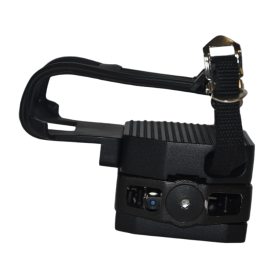
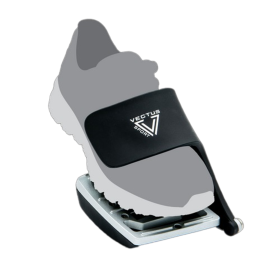
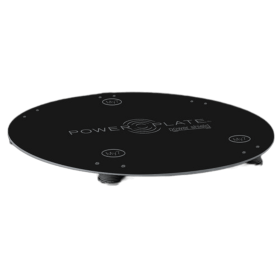
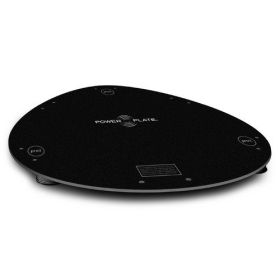
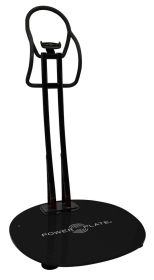
| Vibration therapy | Muscle activation at low external load | When heavy loading is limited | Fixed platform; dedicated space |
| Balance boards | Ankle, knee, and hip stability | Late-stage fall prevention | Very small; stores upright |
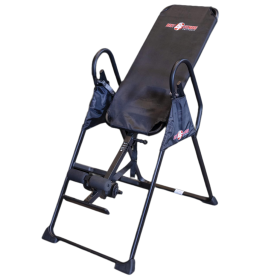
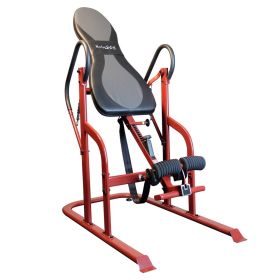
| Inversion tables | Inverted stretching for back and hips | Chronic back and hip tension | Largest; needs clearance to recline |
Two notes worth taking seriously. Vibration platforms work by shaking the surface under you, so your muscles contract and relax rapidly without heavy weight on the joints—useful when loading is off the table. Inversion is not right for everyone; if you have heart, blood pressure, or eye conditions, clear it with your doctor before you order one.
For band work, grip strength, and suspension training, the resistance training range is the natural next step once your therapist adds progressive load to your plan.
What Rehab Equipment Can and Can't Do
This equipment supports a recovery plan. It does not replace one, and no honest dealer will tell you otherwise.
Everything in this category is sold as fitness equipment, not as a clinical medical device. You will not find TENS units, e-stim, or continuous passive motion machines here, and you should be cautious of any store that blurs that line. What you will find is the movement side of rehab — the balance, mobility, and soft-tissue work your therapist wants you doing between appointments.
Can I do physical therapy at home without a therapist? You can do the exercises your therapist assigns, and consistency at home is where most of the progress happens. What you should not do is design the program yourself after surgery or a significant injury. Get the plan from a professional, then buy the equipment that executes it.
That boundary is the whole value of shopping this category properly. Equipment that fits your plan gets used daily. Equipment bought on a hunch does not.
Key Selection Criteria
Use this as your checklist before you add anything to the cart.
✅ Match the tool to your current recovery stage
✅ Check your therapist has cleared the movement
✅ Measure your floor space before you buy
✅ Confirm the user weight capacity
✅ Look for a non-slip, stable base
✅ Choose adjustable resistance or difficulty
✅ Prioritize easy entry, exit, and handholds
✅ Check the frame material and welds
✅ Confirm assembly needs and tools required
✅ Review warranty terms before checkout
✅ Plan for cleaning and upkeep
✅ Pick gear you will still use after recovery
Browse the full rehab range and filter by the subtype that matches your stage.
Space, Budget, and Build Quality
Three objections stop most buyers, and all three have straightforward answers.
Space is the first. A balance board and a foam roller take up almost nothing, and both store vertically. An inversion table needs real clearance to swing back safely, so measure the recline arc, not just the base. A vibration platform sits in one place permanently—treat it like furniture, not an accessory.
Price is the second. Accessories in this category start under $200, inversion tables land in the low hundreds, and a premium vibration platform runs into the thousands. Check the live product page for the current price, since listings move.
Build quality is the third, and it is where cheap rehab gear fails. You are placing an unstable, recovering body on this equipment. Frame welds, weight capacity, and grip surfaces are not luxuries here — they are the safety margin. We stock this category from brands we are authorized to carry, including Body-Solid, TAG Fitness, Power Plate, York Barbell, and Sunny Health & Fitness, so the specs on the page are the manufacturer's, not a marketing invention.
Will I outgrow this equipment once I recover? Most of it, no. Balance boards, foam rollers, and stability balls stay useful for injury prevention long after rehab ends, which is exactly why athletes use them. Inversion tables are the one piece people tend to use seasonally rather than daily.
Buying for a Clinic or Facility
Facility buyers have a different problem: throughput, durability, and cleanability across many users.
Clinic-grade selection means confirming user weight capacity, wipe-down surfaces, and how quickly a machine resets between patients. Footprint planning matters more than it does at home, because you are fitting equipment around treatment tables and transfer clearance. Hamilton Home Fitness works with rehab clinics, physical therapy practices, and senior living facilities, and gym design consultations are available if you are laying out a room from scratch.
Our guide to equipping a rehabilitation center covers the planning side in more depth.
Frequently Asked Questions
Do I need a prescription to buy rehabilitation exercise equipment?
No. Everything in this category is sold as standard fitness equipment, so there is no prescription requirement at checkout. If you are hoping to claim reimbursement, confirm what documentation your insurer needs before you order, since fitness equipment is often treated differently from durable medical equipment.
What's the difference between rehab equipment and standard gym equipment?
Rehab-focused equipment prioritizes stability, low impact, and controlled difficulty over maximum load. A balance board and a barbell both build strength, but only one is designed to be used by someone whose joint is still healing. The distinction is about how much the equipment supports and controls you.
How much space do I really need?
Foam rollers, balance boards, and stability balls fit in a corner of most rooms. Inversion tables need enough clearance behind them to fully recline, plus a stable, level floor. Vibration platforms need a permanent, level spot—they are not moved once installed.
Can seniors use this equipment safely at home?
Many pieces suit older adults well, particularly balance boards for fall prevention and vibration platforms for low-impact activation. Look for handholds, a wide non-slip base, and a low step-on height. Anyone with balance limitations should start supervised, with a stable surface within reach.
What should I buy first after knee or hip surgery?
Follow your surgeon's and therapist's sequence, not a shopping list. In most programs, gentle mobility and soft-tissue tools come before balance and load work, so a foam roller and a stability ball are common early buys. Balance boards typically enter the plan later, once weight-bearing is cleared.
Do you ship nationwide, and is shipping free?
We ship to all 50 states from Tennessee. Free shipping applies to STEPR, Spirit Fitness, TAG Fitness, Body-Solid, and Vortex equipment—which covers the Body-Solid and TAG Fitness items in this category. Other brands, including Power Plate and Sunny Health & Fitness, ship at standard rates.
Are these products covered by warranty?
Warranty terms come from each manufacturer, not from us, so they vary by brand and by product. The terms are listed on the individual product pages. If you cannot find them, contact our team before you order rather than after.
Shop Rehabilitation Equipment That Fits Your Plan
Pick the sub-type that matches your recovery stage, check the footprint against your room, and buy the piece you will actually use this week.
Shop rehabilitation exercise equipment at Hamilton Home Fitness—an authorized dealer for over 40 fitness brands, shipping nationwide from Tennessee, with free shipping on Body-Solid and TAG Fitness gear. Every purchase supports the fight against human trafficking. Not sure which piece fits your plan? Call our team and we will help you match the equipment to your stage before you spend a dollar.
Secure Payments