










Squat

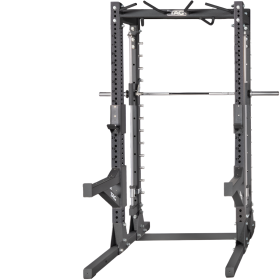
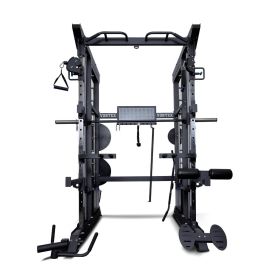
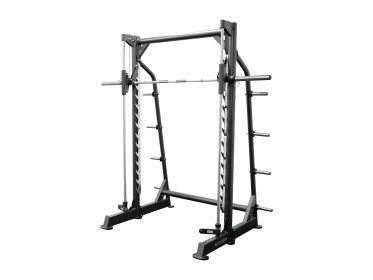
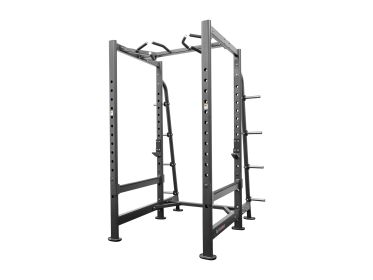
Squat Machine for Sale: Premium Home & Commercial Builds
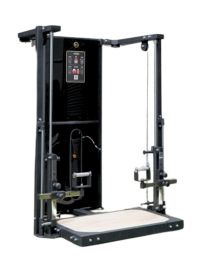
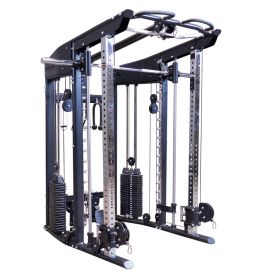
The right squat machine for sale is the one matched to your training pattern, body mechanics, and floor space — not the heaviest-looking unit on a banner ad. At Hamilton Home Fitness, we curate plate-loaded squat machines, hack squats, leverage squats, belt squats, and sissy squat patterns built around commercial-grade steel, predictable safety stops, and fast adjustments. Buy once, train hard, and skip the trial and error.
How to Choose a Squat Machine That Lasts
A squat machine earns its place in your gym when it pairs predictable mechanics with a build that survives years of heavy progressive loading. Three filters separate worthy machines from budget traps:
- Pattern fit — match the machine to the joint you actually want to load
- Build integrity—commercial-gauge frame steel, smooth linear bearings, clean welds
- Throughput logic — fast height, footplate, and safety adjustments without tools
What should I look for when buying a commercial squat machine? Prioritize heavy-duty steel construction, fast user adjustments, reliable safety stops, serviceable bearings, and a vendor that answers the phone. Uptime and member experience matter more than spec-sheet bragging rights.
Types of Squat Machines Worth Buying
Each squat machine type loads the body differently. Picking the wrong pattern is the most common buyer mistake — and the fastest way to waste a serious budget.
| Machine Type | Best For | Loading Style | Spine Loading |
|---|---|---|---|
| Hack Squat | Quad isolation, controlled depth | Plate-loaded sled | Moderate |
| Leverage / V-Squat | Heavy strength, athletic feel | Plate-loaded leverage | Moderate |
| Pendulum Squat | Natural depth + free rhythm | Plate-loaded | Moderate |
| Belt Squat | High-volume legs, back-friendly | Hip belt | Minimal |
| Sissy Squat | Bodyweight quad finishers | Bodyweight or held load | None |
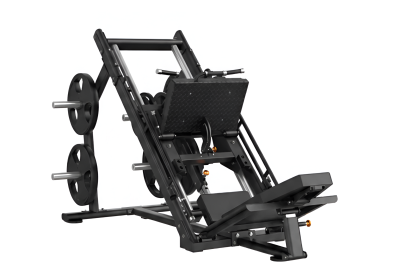
| Leg Press + Hack Combo | Two patterns, one footprint | Plate-loaded sled | Low to moderate |
Hack Squat Machines
Hack squats lock you into a 45-degree sled with shoulder pads and a guided rail, making depth and bar path repeatable when fatigue starts negotiating with your form. They shine for quad-focused hypertrophy and controlled volume blocks. Look for thick anti-slip pads, multiple safety lockouts, and a wide footplate that accommodates narrow, standard, and sumo placements.
Leverage and V-Squat Builds
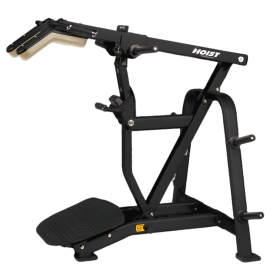
Leverage and V-squat patterns feel more athletic than a rigid sled. They allow heavy loading with a slightly freer movement arc and reward experienced lifters who want strong, natural rhythm without the balance demands of a barbell. Many advanced users rotate these in during heavy strength blocks.
Belt Squat Machines
Belt squats load the hips through a chain or strap, sparing the shoulders and spine almost entirely. They're a favorite for high-frequency leg work, deload weeks, and lifters managing upper-body fatigue. The Vortex Commercial Belt Squat Machine VBS481 is a popular pick for facilities adding back-friendly leg volume.
Sissy Squat and Specialty Builds
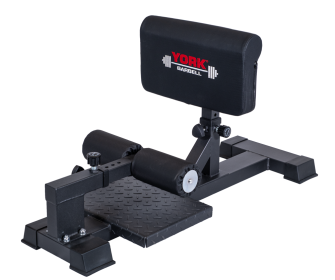
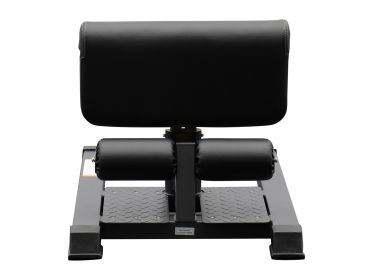
Sissy squats deliver unmatched quad isolation through a knees-forward biomechanics that nothing else replicates. Compact units like the York Barbell Sissy Squat fit into the corner of a garage gym and pair well as a finisher after heavier sled work.
Combo Leg Press and Hack Squat Units
Combo machines fold a 45-degree leg press and a hack squat sled into one footprint — a smart choice for home gyms balancing space against serious training ambitions. The best combos use quick-release flip-and-lock mechanisms so you can switch patterns mid-session without disassembly.
Home Gym vs Commercial Buyer Logic
The same machine rarely wins for both buyers, because the constraints are different. Pick the side that matches your real-world setup.
For home gyms, prioritize a compact footprint, one-person adjustability, quiet operation, and rock-solid safety stops so you can train heavy alone:
- Footprint under 7 feet of length where possible
- Floor-friendly base for quieter loading
- Toolless safety pin or lockout system
- Single-user friendly conversion between exercises
What is the best squat machine for a home gym? It's the machine that lets you train consistently—usually a hack squat, a leg press / hack combo, or a compact belt squat with reliable safety stops and a footprint your space actually accommodates.
For commercial facilities, durability under traffic and serviceability are the real currency:
- Commercial-grade tube steel and powder-coated finish
- Bushings and bearings that are accessible for routine service
- Adjustments built for fast member turnover
- Stable, no-creep base under continuous heavy loading
- Clear in-machine usage decals so members self-direct safely
For full facility builds, our commercial gym equipment collection and commercial weightlifting machines are organized around exactly these priorities.
Key Selection Criteria
✅ Commercial-grade steel frame
✅ Smooth linear bearings on the sled
✅ Reliable, multi-position safety stops
✅ Thick, anti-slip shoulder padding
✅ Adjustable footplate angles
✅ High plate-loading capacity
✅ Stable, no-creep base footprint
✅ Quick-switch between exercises
✅ Powder-coated rust-resistant finish
✅ Compact options for home gyms
✅ Accessible maintenance points
✅ Strong frame and parts warranty
How Advanced Lifters Use Squat Machines
A squat machine isn't a barbell replacement—it's a precision tool that lets you keep intensity high when stabilizers are fatigued or when you want strict, repeatable mechanics.
For hypertrophy, machines let you push controlled eccentrics and consistent depth without form drift. For strength support, they keep heavy work moving during sport-heavy or travel-heavy weeks. For recovery-aware training, belt squats and combos allow continued lower-body progress while reducing spinal load — though anyone training around pain, injury, or post-rehab limitations should work with a qualified medical or strength professional before loading hard.
Can a squat machine replace barbell squats? For many lifters with hypertrophy or targeted strength goals, yes. For athletes who need full-body coordination and posterior chain recruitment, machines complement barbell work rather than replace it.
Which squat machine builds quads fastest? Quad growth comes from repeatable depth, controlled tempo, and progressive load. Hack squats, pendulum squats, and sissy squats are the most quad-dominant patterns when programmed with sufficient volume.
Buyer Questions Answered
Is a squat machine safer than free weights? Machines reduce balance demands and guide the bar path, which generally makes heavy reps more controlled — especially under fatigue. Safety still depends on smart loading, proper setup, and using the built-in stops.
Do belt squat machines help when shoulder loading is uncomfortable? Many lifters choose belt squats to keep leg training intense while removing shoulder and upper-back compression. If you're working around pain or recovery, consult a qualified professional before pushing heavy loads.
Why Buy From Hamilton Home Fitness
Based in Tennessee and shipping nationwide across all 50 states, we sell premium squat machines from trusted names including BodyKore, Body Solid, TAG Fitness, Vortex, York Barbell, and HHF Commercial Fitness. Outfitting a full facility? Our team can help with gym design consultations and pair your squat machine with matched power racks and cages and free weights. Train harder, recover smarter, and build legs that don't quit.
Secure Payments