










Plate Loaded

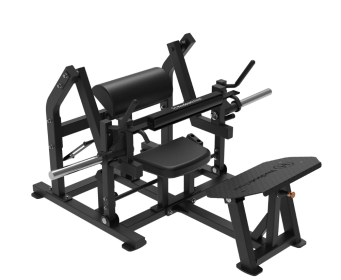

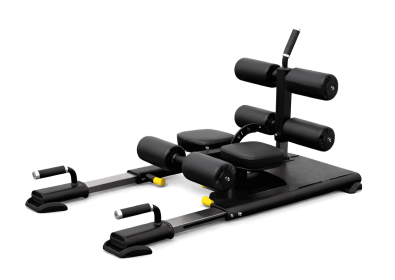


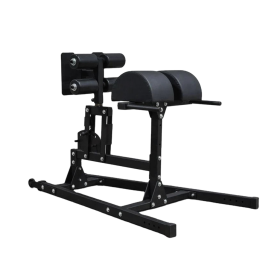
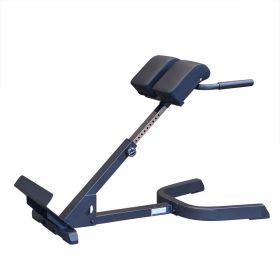
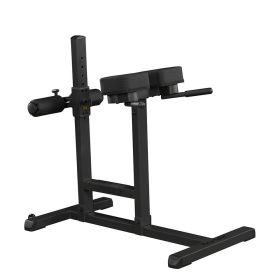
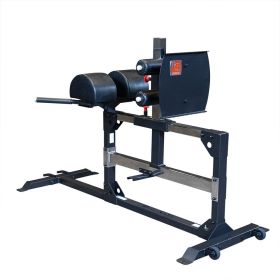
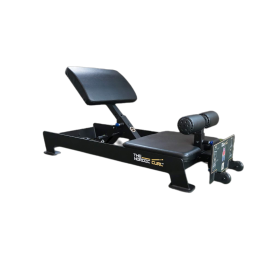
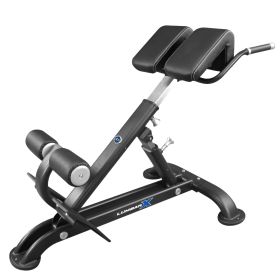
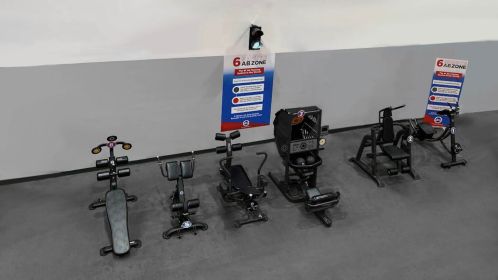
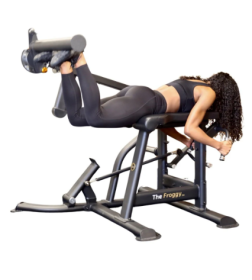
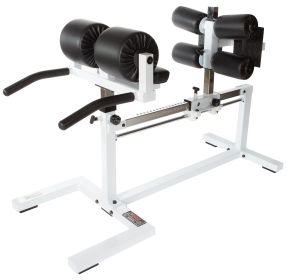
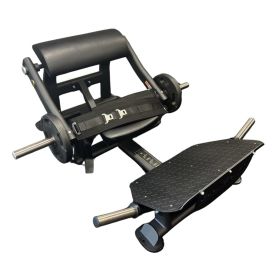


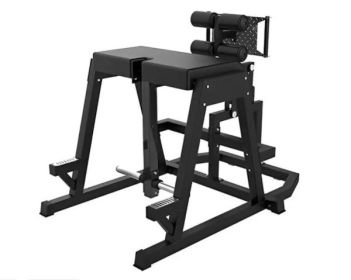
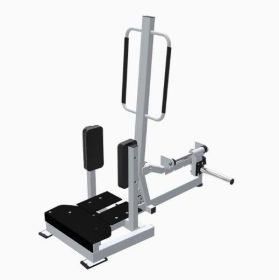
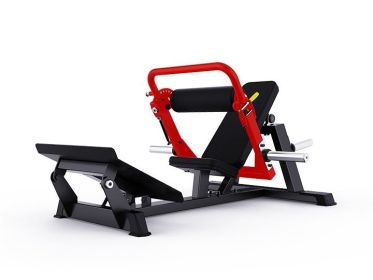
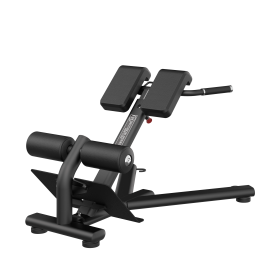

Glute and Ham Machine: Premium GHDs Built for Serious Posterior-Chain Strength
What a Glute and Ham Machine Actually Does
A glute and ham machine is a posterior-chain training station that anchors your lower body so you can isolate the glutes, hamstrings, lower back, and calves through controlled, full-range movement. Unlike a barbell exercise, the machine holds your feet, ankles, and hips in place so the working muscles do the lifting instead of momentum.
You will sometimes see it called a glute-ham developer, GHD, or glute-ham raise machine. The hardware varies, but the purpose is the same: build the back of your body with safe positioning, repeatable form, and a setup you can step into in seconds.
This category at Hamilton Home Fitness brings together commercial-grade options for home gyms, garage setups, fitness studios, and full performance facilities—chosen for stability, comfort, and long-term value.
Why Posterior-Chain Training Belongs in Every Program
Strong glutes and hamstrings support nearly every athletic movement you make: sprinting, jumping, squatting, pulling, and even standing tall through a long workday. They also help shoulder the load your lower back would otherwise carry alone.
A focused glute and ham machine workout can support better hip extension, healthier movement patterns, and improved performance in compound lifts. It is widely used in strength and conditioning programs because it complements squats and deadlifts rather than competing with them. For rehab-oriented training or return-to-sport work, always work under qualified guidance.
Types of Glute and Ham Machines
The right choice depends on training style, ceiling height, floor space, and how many people will use it. Here is a quick comparison of the most common formats stocked in this category.
| Machine Type | Best For | Footprint | Primary Movements |
|---|---|---|---|
| Traditional GHD | Home gyms, CrossFit boxes, strength facilities | Medium | Glute-ham raises, GHD sit-ups, hip extensions |
| Plate-Loaded Glute Station | Glute hypertrophy, studios, PT clinics | Compact–Medium | Loaded hip extension, glute drive |
| Roman Chair / Hyper Hybrid | Lower-back endurance, mixed-use gyms | Compact | Back extensions, reverse hypers, Sorenson holds |
| Commercial GHD with Wheels | High-traffic gyms, team facilities | Medium–Large | Full GHD programming for multiple athletes |
Traditional GHD
A traditional GHD uses a footplate, ankle rollers, and a hip pad to support eccentric hamstring work and full-range raises. It is the gold standard for serious posterior-chain development.
Plate-Loaded Glute Stations
Plate-loaded designs let you scale resistance with Olympic plates, making them ideal for progressive overload focused on glute hypertrophy.
Roman Chair / Hyper Hybrids
These pull double duty for back extensions, reverse hypers, and core work—useful when floor space is tight but you still want posterior-chain coverage.
How to Choose the Right Glute and Ham Machine
Match the machine to your training goal, your athletes or family members, and your space. The best fit is usually the one you will actually use three to five times a week.
Frame Strength and Build Quality
Look for heavy-gauge steel, fully welded joints, and a wide base. Are glute ham machines worth buying? They are, when the frame is rigid enough to stay planted during explosive reps and the hardware can hold a tight bolt year after year.
Adjustability and User Fit
The footplate and hip pad should adjust horizontally and vertically. This is what lets a 5'2" lifter and a 6'4" athlete share the same machine without compromising joint angles.
Pad Density and Comfort
High-density, double-stitched upholstery protects skin during long sets. Thinner pads break down quickly and stop the hardware from feeling premium after a few months.
Footprint and Placement
How much space does a glute and ham machine need? Most full-size GHDs require a footprint of roughly 5 by 4 feet plus clearance behind and in front for the user. Always measure twice before delivery—and check ceiling height if you plan to perform standing accessory work nearby.
Resistance Style
Bodyweight is enough for most lifters at first. Band pegs let you progress with resistance bands, while plate-loaded variants are best for advanced strength work.
Key Selection Criteria
Use this checklist when comparing models in the glute and ham machine category:
✅ Heavy-gauge welded steel frame
✅ Wide, stable base footprint
✅ Horizontal and vertical adjustment
✅ Dual-density, double-stitched pads
✅ Oversized non-slip footplate
✅ Smooth, generously padded ankle rollers
✅ Band pegs for added resistance
✅ Integrated step for easy mounting
✅ Floor-protecting rubber feet
✅ Transport wheels for repositioning
✅ Commercial-grade weight capacity
✅ Clear, honest warranty terms
Muscles Trained and Exercises You Can Perform
What muscles does a glute and ham machine work? A GHD trains the gluteus maximus, hamstrings, erector spinae, calves, and deep core stabilizers, with secondary work for the obliques and lats during loaded variations.
The most common exercises across this category include:
- Glute-ham raises for eccentric hamstring strength
- Hip extensions for glute and lower-back endurance
- Back extensions for spinal erector development
- Reverse hyperextensions for hip and lower-back work
- GHD sit-ups for full-range core training
- Sorenson holds for isometric back endurance
- Banded variations for progressive overload
Always warm up, build range gradually, and consult a qualified coach before adding advanced positions such as 90-degree GHD sit-ups.
Who This Equipment Is Built For
A glute and ham machine fits a wider range of users than most people expect. It is built for:
- Home fitness enthusiasts building a long-term garage gym
- Commercial gyms and high-traffic strength facilities
- Sports teams and athletic performance programs
- Personal trainers and small studio owners
- CrossFit-style boxes running posterior-chain blocks
- Rehab clinics adding controlled posterior-chain work under professional supervision
- Corporate wellness rooms wanting a serious strength piece
- Retired athletes and weekend warriors protecting their lower backs
What is the difference between a glute and ham machine and a hip thrust machine? A glute and ham machine trains posterior-chain movements through hip and torso flexion. A hip thrust machine isolates glute drive through loaded hip extension from a seated position. Many serious programs use both.
Pair It With the Right Strength Stack
A glute and ham machine works best alongside the rest of a well-built strength setup. Browse complementary categories at Hamilton Home Fitness to round out your floor plan:
- Power racks and cages for squats, pulls, and pressing work
- Free weights for loaded variations and accessory training
- Weight benches for upper-body programming
- Commercial strength equipment for high-traffic facility builds
- Rehab equipment for recovery-focused programs
If you are still designing your space, book a gym design consultation and get the layout planned before your machine ships.
Why Buyers Across the USA Choose Hamilton Home Fitness
Buyers choose us because we curate posterior-chain equipment from genuine commercial brands rather than mass-market knockoffs. We work with over 40 vetted manufacturers and back the lineup with real human support, secure checkout, and fast shipping nationwide from our Tennessee base.
Hamilton Home Fitness serves serious home gym owners, commercial facility operators, studio owners, and performance coaches across all fifty states. Every order also contributes to our ongoing commitment to fight human trafficking—a cause built into our brand from day one.
Browse the glute and ham machine collection above, compare the formats that fit your space, and reach out if you need help matching a unit to your training goals. Build the back of your body, build the lift you train for, and build a gym you will actually use for years.
Secure Payments