Authorized:











Vibration Therapy

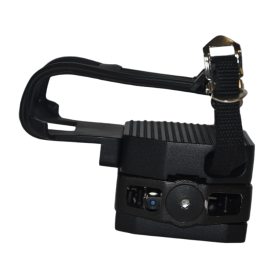
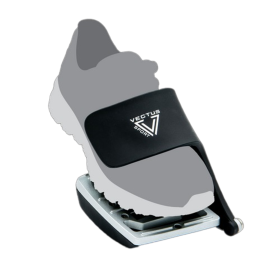
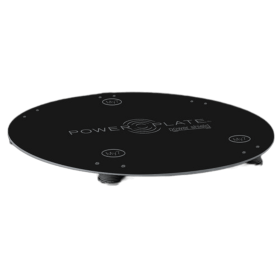
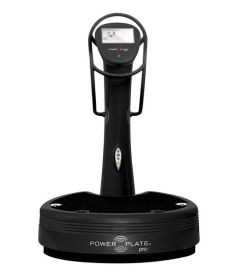
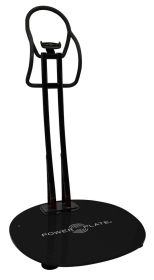
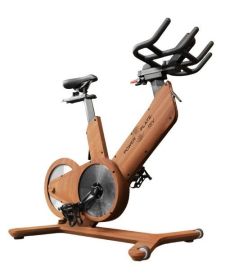
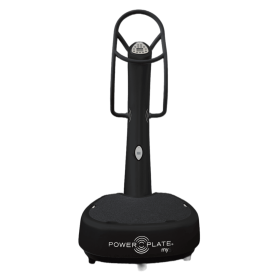


Whole Body Vibration Machines for Home, Studio, and Clinic
A whole body vibration machine is a platform that sends rapid vibrations through your body while you stand, sit, or move on it. People use it to support circulation, balance, flexibility, and recovery in short daily sessions. Results vary from person to person, and it works best alongside regular activity rather than in place of it.
This category brings together the Power Plate range sold by Hamilton Home Fitness, an authorized Power Plate dealer shipping to all 50 states. Below you will find how these machines work, how the main types differ, the specs that matter, and which model fits your space and goals.
How whole-body vibration works
Vibration machines work by moving a platform many times per second, which prompts your muscles to contract and relax in response. That reflex is what turns a few minutes of standing or light movement into gentle, low-impact activity for your legs, core, and stabilizing muscles.
Two numbers shape the feel of any machine: frequency, measured in hertz (Hz), and amplitude, the height of each movement. Higher frequency means faster vibration, while higher amplitude means a larger movement and a more intense session.
Do whole-body vibration machines really work? Research points to possible benefits for muscle activation, circulation, balance, and recovery, but the evidence is still developing, and outcomes differ between people. Treat vibration training as a helpful addition to an active routine, not a shortcut that replaces movement.
Which vibration machine type fits
The right type depends on your main goal, because the platform's motion changes what the machine does best. Three motions cover most of the market.
| Motion type | How it moves | Often chosen for | Trade-off to know |
|---|---|---|---|
| Oscillating (pivotal) | Tilts side to side like a see-saw | Balance and higher amplitude | Intensity shifts with foot position |
| Linear (lineal) | Straight up and down | Higher-frequency activation | Often cited as weaker for bone goals |
| Tri-planar (harmonic) | Small movement in three directions | Full-body training and recovery | Premium build costs more |
Every machine in this category uses Power Plate's tri-planar harmonic vibration, which moves in three directions at once through its PrecisionWave technology. That motion suits people who want one platform for both training and recovery rather than a single-purpose plate.
How to choose your machine
Start with the specs that affect real use, then match them to your body and your room. A short checklist keeps the decision simple and honest.
✅ Match motion type to your main goal
✅ Check frequency range (Hz) offered
✅ Confirm amplitude and intensity settings
✅ Verify weight capacity for all users
✅ Measure your floor space and footprint
✅ Heavier bases transfer more energy
✅ Look for a stable, non-slip platform
✅ Prefer quiet motors for home use
✅ Review the manufacturer warranty terms
✅ Buy from an authorized dealer only
✅ Consider add-ons like bars and pedals
✅ Ask your doctor if you have concerns
Weight matters more than many buyers expect. A heavier base stays planted and sends more of the vibration up into your body instead of shaking across the floor, which is one reason clinical-grade platforms feel more solid than light budget plates.
Are vibration machines noisy at home? Quality platforms are built for quiet home and studio use, so they hum rather than rattle. A stable floor and a rubber mat keep sound and movement down further.
Which Power Plate model suits you
Match the model to how you plan to use it, since the range runs from compact recovery units to full commercial platforms. Three tiers cover most buyers.
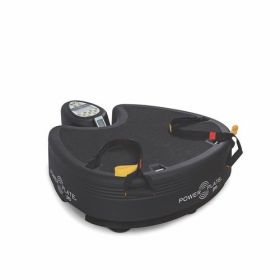
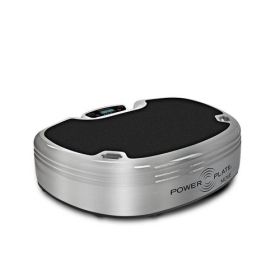
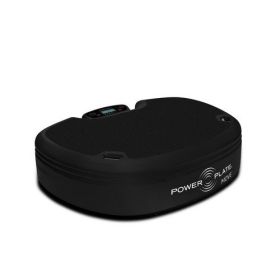
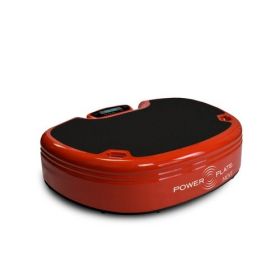
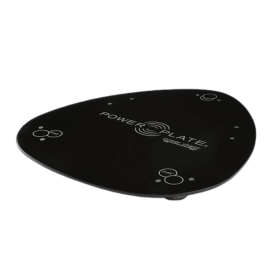
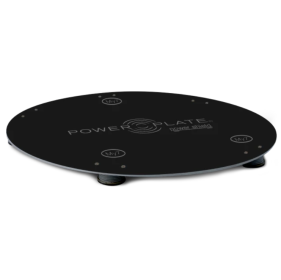
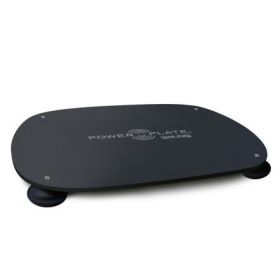
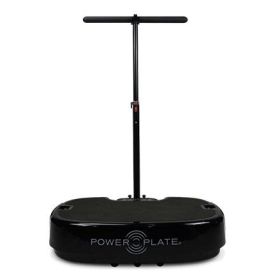
Compact models like the Power Plate MOVE and Personal Power Plate are light enough to move between rooms and store easily, with a columnless base that saves floor space. They suit home users focused on recovery, circulation, and short daily sessions.
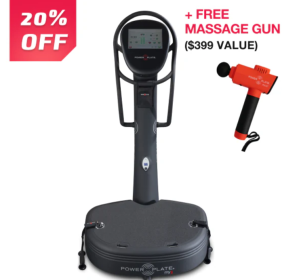
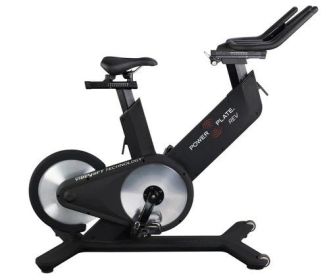
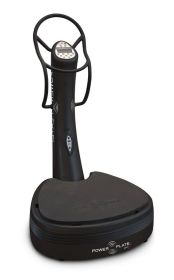
Full-size studio platforms such as the Power Plate REV and the my-series add larger decks, more programs, and higher weight capacities for serious training at home or in a studio. Commercial and clinical settings often step up to the Power Plate Pro5 HP for heavy daily use.
Prices in this category run from the low thousands for compact units to the mid five figures for commercial platforms, so there is a clear entry point for most budgets. You can browse the full Power Plate whole-body vibration lineup to compare models, finishes, and accessories side by side.
How long should a vibration session last? Most sessions run about 10 to 15 minutes, and many Power Plate models are built around a 9-minute timer. Beginners tend to start with a few short sessions each week and build from there.
Who a vibration machine suits
These machines fit a wide range of people because sessions are short and low-impact. That makes them practical for busy schedules and for anyone who finds high-impact exercise hard on the joints.
Active seniors often use them to support balance and gentle strength work. Athletes and gym owners add them for warm-ups and post-training recovery, while home users value a quick daily routine that pairs well with the rest of their cardio equipment and recovery and rehab equipment.
One honest note on safety: vibration training is not right for everyone. If you are pregnant, recovering from an injury, or managing a heart, bone, or circulation condition, check with a qualified healthcare professional before you start.
Why buy from Hamilton Home Fitness
Buying from an authorized dealer protects both your money and your warranty. As an authorized Power Plate dealer, Hamilton Home Fitness supplies genuine machines with the full manufacturer warranty and real support behind them, which gray-market listings often cannot promise.
Every order ships nationwide across all 50 states, and larger platforms are handled as freight so they arrive safely. You can review the shipping and returns details before you order and reach the team with any fit or setup questions.
For a high-ticket purchase, that combination of genuine equipment, valid warranty, and direct support is what separates a confident buy from a risky one.
Frequently asked questions
Are vibration plates good for weight loss?
They can add gentle, low-impact activity to your week, but they are not a standalone weight-loss tool. Any change in body weight depends mainly on overall activity and diet, with vibration training playing a supporting role.
Who should avoid whole-body vibration?
People who are pregnant or who have certain implants, cardiovascular conditions, acute injuries, or bone concerns should speak with a doctor first. Older adults with specific health conditions should also seek guidance before starting.
What is the difference between oscillating and linear vibration?
Oscillating platforms tilt side to side like a seesaw, while linear platforms move straight up and down. Oscillating motion is often chosen for balance and larger movement and linear for higher-frequency muscle activation.
How much does a whole body vibration machine cost?
Prices vary widely. Compact recovery models start in the low thousands, while full-size studio and commercial platforms reach the mid five figures. Premium clinical-grade machines cost more because of their build quality and warranty.
Is Hamilton Home Fitness an authorized Power Plate dealer?
Yes. Hamilton Home Fitness sells the Power Plate range as an authorized dealer, which means genuine equipment, a valid manufacturer warranty, and real support, with shipping across the United States.
Do whole-body vibration machines ship nationwide?
Yes. Orders ship to all 50 states, with larger platforms sent by freight. Delivery timelines and any handling details are listed on the shipping and returns page.
Ready to start vibration training?
Compare the models, pick the platform that fits your space and goals, and order with the backing of an authorized Power Plate dealer. Shop the whole body vibration machines today, with genuine equipment, a full warranty, and nationwide shipping on every order.
Secure Payments