Authorized:











Balance Boards

Balance Boards for Physical Therapy
Balance boards for physical therapy are unstable platforms you stand on to retrain balance, coordination, and strength after injury or surgery. By forcing small corrections, they sharpen proprioception, rebuild ankle and knee stability, and strengthen the core, making them a trusted rehab and fall-prevention tool for patients, seniors, and athletes alike.
This collection brings together balance and stability trainers chosen for real recovery work, not just for show. Each option targets the controlled, low-impact challenge that rehab demands, from your first cautious wobble to confident single-leg holds. Pick the board that meets you where your recovery is right now, then progress as your strength returns.
Browse the boards in this collection and start at the level that matches your stage of recovery.
How they rebuild balance and strength
A balance board works by making the floor move so your body has to respond. Standing on the unstable surface fires the small stabilizing muscles in your feet, ankles, hips, and core, while your nervous system learns to react faster. That trained reaction is proprioception, your sense of where your body is in space, and it sits at the heart of safe, lasting recovery.
Many people ask, "What are balance board exercises?" They are simple movements done on the board, such as steady standing holds, gentle tilts, mini squats, and weight shifts from foot to foot. Each one teaches your joints to control motion instead of fighting it.
Just as common is the question, "Do balance boards work for physical therapy?" They do, and clinicians lean on them for a reason. Regular, guided practice can support recovery from ankle sprains, knee injuries, and post-surgical weakness, improve posture and gait, and lower the risk of future falls. Used alongside the rest of your program, a board adds the unstable challenge that flat-floor exercises miss.
Types of balance boards
The right board depends on how it moves and how much challenge you can safely handle. A natural progression runs from a stable rocker board for early rehab up to a multi-directional wobble board once your control improves. Buyers often ask, "What's the difference between a wobble board and a rocker board?" A rocker board tilts in only one plane at a time, while a wobble board tilts in every direction at once, which makes it harder.
Here is how the main styles compare so you can match one to your goals:
| Board type | How it moves | Best for | Level |
|---|---|---|---|
| Rocker board | Tilts one plane (front-back or side-side) | Early rehab, seniors, first-timers | Beginner |
| Wobble board | Tilts 360° in all directions | Ankle and knee strengthening, proprioception | Intermediate+ |
| Rocker-roller board | Rolls side to side on a cylinder | Dynamic control, sport preparation | Intermediate–Advanced |
| Sphere-and-ring board | Rolls on a removable sphere, adjustable | Progressive, scalable difficulty | Intermediate–Advanced |
| Balance cushion or disc | Soft, inflatable wobble | Seated work and very early rehab | Beginner |
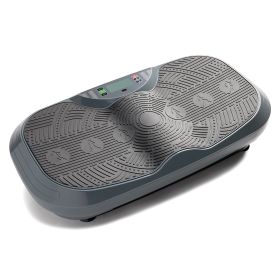
| Vibration platform | Powered micro-instability | Low-impact stability and circulation | All levels, with guidance |
If a powered option fits your plan, our vibration therapy platforms deliver controlled instability that is gentle on healing joints.
Choosing balance boards for rehab
Start with one honest question: what can you stand on safely today? A new patient recovering from surgery needs a stable rocker board, while a returning athlete may want the full range of a wobble board. People frequently ask, "What should I look for when buying a balance board?" The answer comes down to safety, fit, and room to grow.
Use these criteria to choose well:
✅ Match board type to your ability level
✅ Adjustable difficulty for steady progress
✅ Non-slip top for secure footing
✅ Anti-skid base that grips the floor
✅ Weight capacity that fits the user
✅ Right size and stance width for you
✅ Durable build for daily clinic use
✅ Lightweight and easy to store
✅ Comfortable, supportive standing surface
✅ Space to use it beside a wall or rail
✅ Clear guidance for safe progressions
✅ A trusted brand from an authorized seller
A board you can scale matters most. One that offers more than one difficulty setting will carry you from your first session through months of progress without a second purchase.
Who needs a balance board
Balance boards suit far more than recovering athletes. They help anyone rebuilding stability, protecting joints, or working to stay steady on their feet. The unstable surface meets people at any age and adjusts to nearly any goal.
This collection serves a wide range of users:
- Patients recovering from ankle sprains, knee injuries, or surgery
- Older adults working to prevent falls and stay independent
- Athletes building injury resistance and sharper coordination
- Physical therapists and trainers outfitting a clinic or studio
- Home users adding balance work to a daily routine
A fair question here is, "Are balance boards safe for seniors?" They can be, with the right setup. Older adults should begin on a stable rocker board, stand near a wall or sturdy chair, and ideally start under the eye of a physical therapist who can match the board to their ability.
Outfitting a clinic, studio, or recovery space? Our team can help you plan it. Book a gym design consultation and we will spec equipment that fits your room and your clients.
Using your board safely
A balance board is unstable on purpose, so a few simple habits keep your training productive. Set the board near a wall, rail, or sturdy chair you can reach, and keep that support within arm's length until your confidence grows. Begin with short, supported holds, then add movement only as your control improves.
Because these boards raise the risk of a slip, anyone with dizziness, vertigo, or a known balance disorder should take extra care. If you are recovering from an injury or surgery, talk with your physical therapist or doctor before you start, and follow the plan they set for you. Treat balance work as one part of a guided program rather than a replacement for professional care.
To round out recovery, many users pair a board with our foam rollers for tissue release and our stability balls for core and seated work. You will find all of them inside the full rehab and recovery collection.
Why buy from Hamilton Home Fitness
You get curated rehab equipment from an authorized dealer, not guesswork from an unfamiliar marketplace. Hamilton Home Fitness stocks trusted fitness and recovery brands, backs every order with fast shipping and easy returns, and keeps real people on the phone to help you choose. Every purchase also supports the brand's stand against human trafficking, so your investment in better movement does a little extra good.
We help home users, clinics, studios, and facilities across the United States build spaces that perform. When you want quality you can stand on and guidance you can trust, this is a smart place to start.
Frequently asked questions
Do balance boards really help in physical therapy?
Yes. Used as part of a guided program, balance boards can support recovery from ankle, knee, and post-surgical injuries by retraining proprioception, joint stability, and core strength. Many clinics use them for exactly these goals.
Which balance board is best for beginners?
A rocker board is the usual starting point. Its single-plane, controlled tilt gives a manageable challenge for early rehab, seniors, and first-time users. Once you can balance without support, a wobble board adds a tougher, multi-directional test.
Can a balance board help after an ankle sprain or surgery?
It can, with clearance from your provider. Balance training is a common step in ankle and knee rehab because it rebuilds the stability and reaction time that injuries take away. Always follow the timeline your physical therapist sets.
How long should I use a balance board each day?
Short, consistent sessions work best, often just a few minutes to start. Quality and control matter more than time on the board. Build up gradually as your balance and confidence improve, and stop if you feel pain.
What weight capacity do I need?
Choose a board rated comfortably above the user's body weight, with margin for movement and added exercises. Checking the listed capacity before you buy keeps training safe and protects the board over years of use.
Are balance boards safe to use at home?
They are, with sensible precautions. Use the board on a firm, level floor, keep a wall or sturdy chair within reach, and progress slowly. People with dizziness or balance disorders should check with a professional first.
Find the right balance board today and rebuild stability with confidence. Every order ships fast with easy returns, our shipping and returns terms are clear, and our team is a call away at 423.458.2453 if you need help choosing the board that fits your recovery.
Secure Payments