










Incline Decline
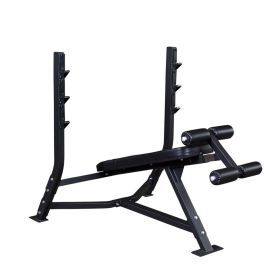


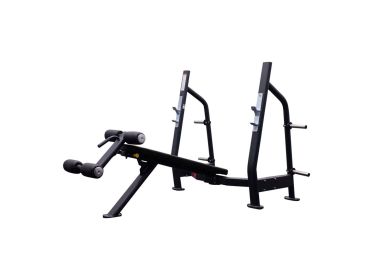
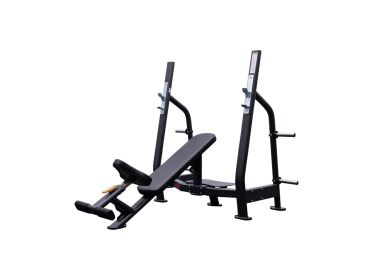


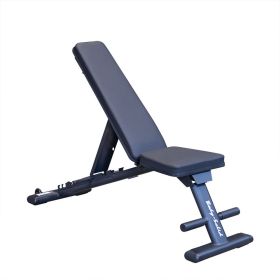

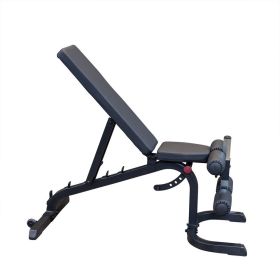


Adjustable Incline Decline Benches
An adjustable incline/decline bench sets to flat, incline, and decline on one frame, letting you press, row, and train your chest, shoulders, and core from every angle. One bench replaces several stations in a home or commercial gym — and we ship every model to all 50 states from Tennessee.
What an incline/decline bench does
These benches earn their place by doing the work of several. One back pad covers flat pressing, incline presses, seated shoulder work, and decline movements a fixed flat bench can't reach.
That range is why an adjustable bench suits most home gyms, tight garage setups, and busy commercial floors. You train more muscles and more angles without buying — or finding room for — three separate benches.
Is an adjustable bench worth it over a flat bench? For most buyers, yes. It does everything a flat bench does, then adds incline, chest-supported rows, and decline work on the same footprint.
The exception is pure barbell pressing. If you almost only bench heavy singles, a fixed flat or flat Olympic bench gives a more stable base, with no pivot to flex under a max.
FID vs adjustable vs flat bench
Here's the quick map. An FID bench gives the widest angle range on one frame; a premium adjustable bench trades a little rigidity for independent back and seat angles; and a flat or flat Olympic bench stays fixed for the most stable heavy pressing.
| Bench type | Angle range | Stability | Best for |
|---|---|---|---|
| FID (flat-incline-decline) | Flat, multiple inclines, decline | Good, slight pivot play | The widest range on one frame |
| Premium adjustable | Flat through steep incline | Good, not fully fixed | Angle variety and hypertrophy |
| Flat & flat Olympic | Fixed flat only | Highest, no moving parts | Heavy, dedicated barbell pressing |
Incline decline and FID describe the same idea: a back pad that reaches decline as well as incline. For a full spec-by-spec breakdown across all four types, read our bench buying guide.
Choose your adjustable incline/decline bench
Judge a bench by its build and capacity, not its brand name. Five things decide whether it presses solid for years or flexes under load: the pad, the frame, the rated capacity, the base, and the seat gap.
Start with the pad. A firm, high-density pad about 2 to 2.5 inches thick holds its shape so your shoulder blades stay planted; soft foam sinks and shifts your bar path. A width around 10 to 14 inches suits most lifters, and a grippy vinyl cover keeps you from sliding as you arch and drive.
The frame carries the load. Look for 11-gauge steel with 2x3 or 3x3 tubing, welded rather than bolted—a thicker tube and a lower gauge number resist flex over years of heavy use.
What weight capacity do I need? Add your bodyweight to your heaviest working set, then leave real margin. A 200-pound lifter benching 405 is already at 605, so a rating near 1,000 pounds gives headroom; commercial floors should be sized up further.
What is the seat gap, and why does it matter? It's the space between the back and seat pads. Keep it to about two inches or less so your hips and lower back stay supported, and check the fit in the flat position specifically before you buy.
Two more details separate a stable bench from a shaky one: a three-post or fully fixed base for heavy pressing and a secure adjustment lock—pop-pin, ladder, or gas-assist—with no play once set. More ladder holes look impressive, but most lifters only use flat, about 30 degrees, about 45 degrees, and near-vertical ones.
✅ 11-gauge steel with 2x3 or 3x3 tubing
✅ Fully welded frame over a bolted one
✅ Firm, high-density pad, 2 to 2.5 in thick
✅ Pad width near 10 to 14 in. for your frame
✅ Grippy vinyl cover that resists slipping
✅ Seat gap of two inches or less when flat
✅ Secure pop-pin, ladder, or gas-assist lock
✅ Decline setting with a leg hold-down
✅ Rated capacity with real headroom to spare
✅ Three-post or fixed base for heavy presses
✅ Transport wheels and a handle for easy moves
✅ Footprint that clears your floor and rack
Match the bench to how you train. Heavy pressers want a heavy FID or a flat Olympic bench; versatility-first home gyms are best served by a premium adjustable one; small spaces need a tight footprint with transport wheels and upright storage; and commercial floors need higher capacity and a commercial warranty. Beginners and seniors are usually better off with a stable, easy-to-adjust bench than a high angle count.
Attachment-ready lines like Body-Solid's FID benches add a leg developer, preacher curl, and lat station, turning one bench into a compact training station. And because a bench can't catch a failed rep, pair yours with power racks and cages so a missed lift lands on the safeties, not on you.
Ready to compare? Put the options side by side in our weight benches collection by type, capacity, and adjustment style, then add barbells, plates, and dumbbells to match the bench to your lifts.
Why buy from Hamilton Home Fitness
Hamilton Home Fitness is an authorized multi-brand dealer, so you're buying incline/decline benches from established brands, backed by real support—not a single house label. We ship to all 50 states from our Tennessee base.
Heavier commercial models move by freight, and select brands ship free. Every order is trackable, and our team can help you match a bench to your body size, program, and space before you commit.
Outfitting a studio, hotel, or facility floor? We can plan the right benches into your wider setup so the whole room works together. Shop the range with confidence, and reach out anytime you want a second opinion.
Frequently asked questions
What's the difference between an incline/decline bench and an FID bench?
They describe the same design. FID stands for flat-incline-decline, and any bench with a back pad that reaches both incline and decline is an incline-decline bench. The label changes; the capability is the same.
Can you bench press flat on an adjustable incline/decline bench?
Yes. Set the back pad to flat, and it presses like a standard bench. A fixed flat or flat Olympic bench still gives a more rigid base for max-effort barbell singles since there's no pivot to move.
How much floor space does one need?
Most fit a medium footprint, but measure your floor and rack clearance before buying. Look for transport wheels and a front handle so you can roll the bench aside or store it upright when space is tight.
Are incline/decline benches good for beginners and seniors?
They can be a good fit. Prioritize a stable, easy-to-adjust frame with a low angle count over a long list of positions. If you have a medical or mobility concern, check with a qualified professional before starting a new program.
Do these benches come with attachments?
Some do. Attachment-ready lines like Body-Solid's GFID benches accept a leg developer, preacher curl, and lat station, turning one bench into a compact training station. Skip add-ons that duplicate equipment you already own.
Does Hamilton Home Fitness ship incline/decline benches nationwide?
Yes. We ship to all 50 states from Tennessee, with freight delivery for heavier commercial models and free shipping on select brands. Track your order and reach our team anytime you need help.
Which is more stable, an FID or a flat bench?
A fixed flat or flat Olympic bench is the most stable for heavy barbell pressing because nothing moves. An FID trades a little of that rigidity for the widest angle range, which is the right call if versatility matters more than a max single.
Build your setup today
Compare the types, match one to your lifts, and order your adjustable incline/decline bench today—shipped nationwide from Tennessee, with a specialist a message away if you want a fit check first. Fewer wobble points, real capacity headroom, and the angles a flat bench can't reach: that's what a well-built incline/decline bench brings to every session. Choose yours and start training every angle.
Secure Payments