










Bumper Plates

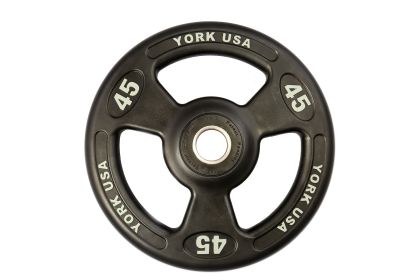


Bumper Plates for Sale, Built to Be Dropped
Bumper plates are rubber- or urethane-coated, steel-hub weights built to be dropped from overhead without harming your bar, plates, or floor. The bumper plates for sale here span virgin rubber, urethane, hi-temp, crumb rubber, and competition tiers, sized for home gyms, garages, and commercial facilities across the USA.
Do you really need bumper plates? You do if the bar ever leaves your hands above the hips: Olympic lifts, cleans, snatches, dropped deadlifts, and CrossFit metcons. Pure powerlifters who never drop the bar can train on iron. Everyone who drops a loaded bar needs rubber under it, or the floor and bar pay for it.
Which Bumper Plate Type Fits You
The right plate depends on how hard you train, how often you drop the bar, and your budget. Five tiers cover nearly every lifter.
| Plate type | Best for | Bounce | Price tier |
|---|---|---|---|
| Virgin rubber training | Daily home Olympic and strength works | Moderate | Mid-range |
| Urethane | Heavy, high-frequency, low-odor use | Low | Premium |
| Hi-temp | CrossFit boxes and outdoor garages | Moderate | Mid-range |
| Crumb rubber | Tight budgets and general lifting | Higher | Budget |
| Competition | Olympic lifting and meet prep | Dead | Premium |
Virgin rubber training bumpers are the everyday sweet spot. Fresh rubber around 80 durometer means less odor, dependable durability, and a moderate bounce that handles years of home use.
Urethane costs more and earns it in heavy rooms. The denser polymer bounces less, resists scuffing, and holds its color coding sharply through hard, repeated abuse.
Hi-temp plates suit garages and box-style training. Heat-cured recycled rubber shrugs off outdoor heat, though the thicker profile eats sleeve space faster than virgin rubber.
Competition plates are the precision tier for lifters chasing exact loads. They meet IWF specs, a strict 450 mm diameter, a chrome or stainless hub, and a tested dead bounce that keeps the bar near where it lands. Serious meet lifters can step up to calibrated competition plates for the tightest tolerances.
Are cheap bumper plates worth it? Price matters less than rubber quality. Crumb rubber saves money but bounces more and smells stronger when new, while virgin rubber holds up far longer for a small step up in cost. If you're weighing rubber against iron, the bumper plates vs. iron plates guide breaks down drop tolerance, bounce, and sleeve space in detail.
Can you use bumper plates for squats and deadlifts? Yes. A pound of rubber weighs the same as a pound of iron, so there's no penalty for squatting or pulling on bumpers. They also let you bail a squat safely and cut the noise on every rep.
How Much Weight Should You Buy?
Buy for your training ceiling plus room to grow. Most home lifters start near 230–260 lb and add pairs as they get stronger.
A starter set usually runs a pair each of 45, 25, 10, 5, and 2.5 lb plates. That covers the full range of barbell lifts and carries most people through a first year of serious training.
An intermediate set climbs to roughly 300–370 lb by adding a second pair of 45s. Advanced setups reach 500 lb or more with multiple 45 lb pairs.
Sleeve space is the real ceiling. A standard 16.5-inch sleeve fits about four to five 45 lb bumpers per side, which caps a bumper-only bar near 450–500 lb. Heavier pullers add iron or thinner calibrated plates on the inside or start with a hybrid setup. To compare full builds in one place, browse the complete plate sets.
What size bumper plates should a beginner buy? A pair each of 45, 25, 10, and 5 lb covers nearly every barbell movement with room to progress. Add change or fractional plates later for small, steady jumps on the bench and the press.
Ready to match a set to your lifts? Compare the tiers below and add the plates that fit your training.
How to Choose Bumper Plates
Before you buy, check any plate you're considering against the criteria that actually affect performance and value.
✅ Virgin rubber for low odor and long life
✅ Steel or stainless insert for a secure bar fit
✅ 450 mm diameter for a consistent pull height
✅ 50 mm collar opening that fits Olympic bars
✅ Low or dead bounce keeps a dropped bar in place
✅ Color coding for fast weight identification
✅ Tight weight tolerance for true, honest loads
✅ Thinner profile fits more weight on the sleeve
✅ Warranty coverage that matches your use
✅ Singles, pairs, and full sets to scale over time
✅ Rated for home or commercial workloads
✅ US shipping from Tennessee, nationwide
What to Pair With Your Plates
Plates only perform with the right bar under them, the right floor beneath them, and storage that keeps them off the concrete.
Start with the bar. Olympic plates use a 50 mm sleeve, so a quality Olympic barbell is the baseline, matched to the lifts you favor. Compare shafts and sleeves across the Olympic and powerlifting bars before you load anything heavy.
Protect the floor next. Three-quarter-inch rubber mats or a dedicated lifting platform absorb drops on concrete and cut the noise that bumpers already reduce.
Then handle storage. A vertical plate tree keeps hubs off the concrete, clears the walking path, and protects a heavy investment. The TAG Fitness Olympic plate tree holds a full progression of bumpers and iron on one footprint.
Why Buy From Hamilton Home Fitness
Hamilton Home Fitness is an authorized dealer for the brands serious lifters trust, shipping nationwide from Tennessee.
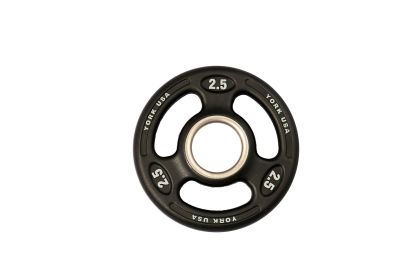
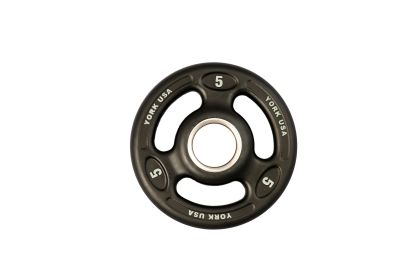
You're buying known names, not house-label unknowns. The lineup pulls from makers like Body-Solid, York, and TAG Fitness across training, hi-temp, and competition tiers, plus complete sets.
The range fits a home and a facility alike. Garage and basement lifters get residential-friendly options, while hotels, schools, and gyms can order commercial bumper plates and request a quote for bulk builds. Warranty terms vary by brand and product, so the exact coverage is listed on each product page.
Frequently Asked Questions
What are bumper plates made of?
Most bumper plates use rubber or urethane molded around a steel hub. Virgin rubber is fresh and low-odor, recycled crumb rubber is the budget option, and urethane is a denser polymer that bounces less and resists wear. Hi-temp plates are heat-cured recycled rubber built for tough, outdoor use.
Do bumper plates fit a standard Olympic barbell?
Yes. Bumper plates use a 50 mm (about two-inch) opening that fits Olympic bars and sleeves. If your bar has a one-inch standard sleeve, you'll need standard plates instead.
Do bumper plates protect my floor on their own?
They cushion drops far better than iron, but they work best over the right surface. Pair them with three-quarter-inch rubber mats or a platform on concrete for full floor protection and quieter reps.
What weights do bumper plates come in?
Common increments are 10, 15, 25, 35, and 45 lb, with kilogram options for competition lifters. Small change plates (0.5–2.5 kg) and fractional plates (0.25–2 lb) let you make fine jumps on precise lifts.
Are bumper plates quiet enough for an apartment or basement?
They trade iron's sharp clang for a duller thump, which makes a real difference for shared walls and early sessions. On rubber flooring the effect compounds, though no plate is fully silent.
Do you sell bumper plates for commercial gyms and schools?
Yes. We supply training, hi-temp, and competition tiers plus complete sets for facilities, with quotes available for bulk orders shipped anywhere in the USA.
Do bumper plates come with a warranty?
Coverage depends on the brand and model, and many plates carry a commercial or limited warranty. Check the specific product page for the exact terms before you order.
Ready to Load Your Bar?
The right bumper plates protect your floor, your bar, and years of training. Pick the tier that matches how you lift, add the pairs your goals call for, and build from there.
Browse the full range of bumper plates for sale, pair them with a bar and a plate tree, or request a quote for your gym. Every order ships nationwide from Tennessee, so you can start lifting sooner.
Secure Payments