










Selectorized
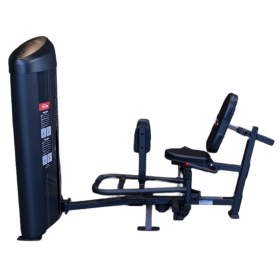
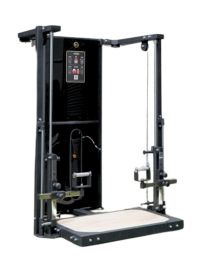
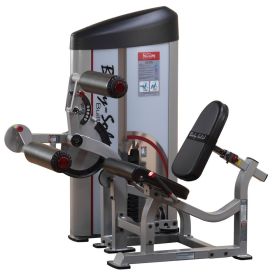
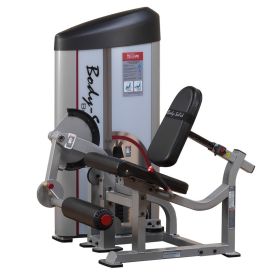


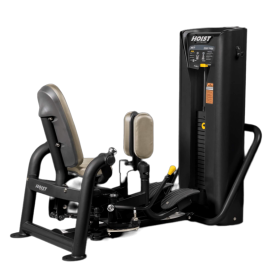
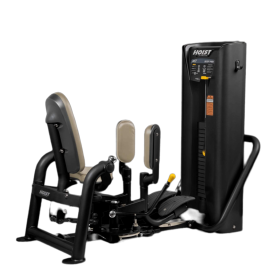


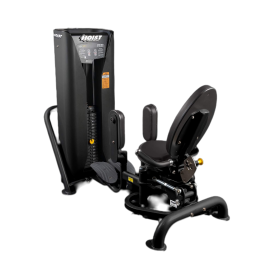
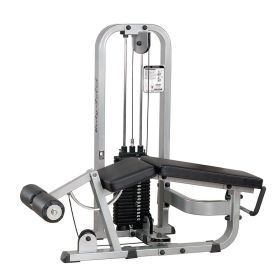


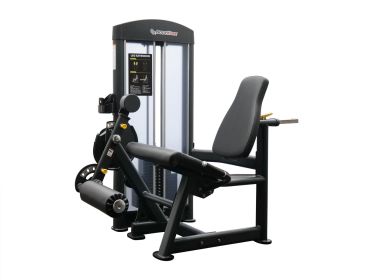
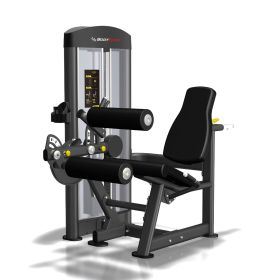
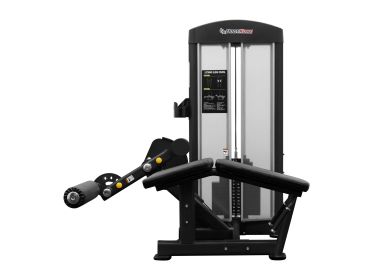
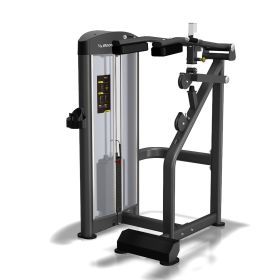
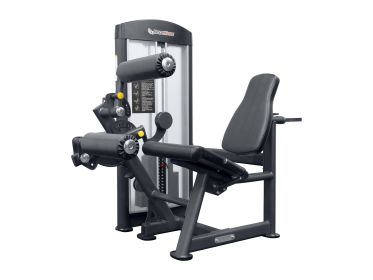
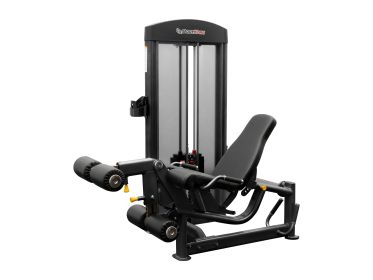
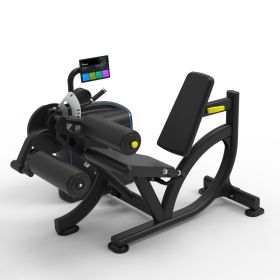
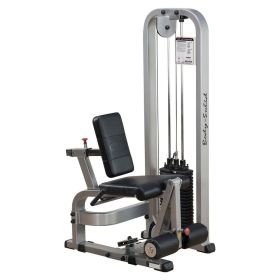
Commercial Leg Press Machine Collection for Elite Strength Training
A commercial leg press machine is the foundation of serious lower-body training, and this curated collection brings together selectorized builds engineered for high-traffic gyms, performance facilities, and refined home setups. Every model is chosen for smooth tracking, heavy-duty steel, and the kind of biomechanics that protect joints while loading quads, glutes, hamstrings, and calves with confidence.
Buyers shopping this category are usually weighing two questions: which leg press style fits their space, and which build will hold up to daily, multi-user demand. The sections below answer both, side by side with the selection logic that separates premium commercial-grade machines from lighter consumer alternatives.
Why a Commercial Leg Press Matters
A commercial leg press machine lets lifters load heavier weight than a free-weight squat without taxing the spine or balance system. That single advantage is why it remains a non-negotiable station in elite gyms, rehab studios, and serious home builds.
What is a commercial leg press machine? It is a heavy-duty lower-body strength station rated for continuous, multi-user training, built with reinforced frames, sealed bearings, and either a selectorized weight stack or plate-loaded sled designed to handle thousands of cycles per year.
The pay-off for buyers shows up in three places:
- Heavier safe loading without a spotter
- Controlled movement paths that reduce technique breakdown
- A station that beginners, athletes, and seniors can share without re-rigging
Selectorized vs Plate-Loaded Leg Press
Selectorized models use a pin-adjusted weight stack for fast resistance changes; plate-loaded models use Olympic plates for higher peak loads and a more raw, hands-on feel. Choose by user volume, not preference alone.
| Feature | Selectorized Leg Press | Plate-Loaded Leg Press |
|---|---|---|
| Weight changes | Pin-select, seconds | Manual plate loading |
| Best for | High-traffic gyms, circuits, mixed users | Strength-focused lifters, peak loads |
| Footprint | Compact, contained stack | A larger sled and plate storage needed |
| Maintenance | Cable and stack service | Frame and bushing service |
| Typical capacity | Defined by stack (often 210–310 lb) | Limited by frame rating, often 1,000 lb+ |
| Cost of ownership | Lower per-user hassle | Lower equipment cost, higher plate spend |
Is a selectorized leg press better than plate-loaded? Neither is universally better. Selectorized wins when multiple users cycle through quickly. Plate-loaded wins when one or two lifters chase heavy strength numbers. Many commercial facilities buy both to cover the full training spectrum.
For lifters leaning toward plates, the sibling collection of plate-loaded commercial leg press machines covers iso-lateral, 45-degree, and horizontal-swing builds.
Types of Commercial Leg Press Machines
There is no single leg press design. The right type depends on space, training goal, and user profile.
45-Degree Angled Leg Press
The most familiar build in commercial gyms. A sled travels along inclined rails, giving deep range of motion with strong quad and glute engagement and a supported lumbar position.
Horizontal Seated Leg Press
A seated, upright design where the seat slides back as the lifter presses. Easier on the lower back, friendlier for older users, and ideal for facilities that prioritize joint comfort and rehab-style work.
Vertical Leg Press
The footplate travels straight up while the lifter lies flat. Compact footprint, intense quad activation, and a movement path that mimics a low-bar squat with full back support.
Hack Squat and Leg Press Combos
Two stations in one frame. Useful for facilities tight on floor space or home gyms that want both movements without doubling the footprint or budget.
Isolateral and Pendulum Variants
Iso-lateral arms let each leg work independently to expose and correct strength imbalances. Pendulum and pivot designs change the resistance curve to challenge lifters who already train heavy.
How to Choose the Right Commercial Leg Press
Lead with use case, then specs. The right machine is the one your users will actually train on safely, day after day.
Start with this short buyer checklist:
- User volume: Single household, small studio, or full commercial floor
- Available footprint: Length matters more than width on most sleds
- Ceiling height: Critical for vertical and high-incline models
- Loading style: Pin-select stack or Olympic plates
- Adjustability: Seat positions, back angle, footplate size
- Weight capacity: Match it to your strongest user with headroom to spare
- Warranty depth: Frame, parts, and cables should each be covered
How much space do I need for a commercial leg press? Most 45-degree sleds need roughly 7 by 4 feet of floor and 6 to 7 feet of ceiling clearance. Vertical and compact horizontal models can fit tighter rooms, while iso-lateral designs typically need extra width on both sides.
How much does a commercial leg press machine cost? Entry-level commercial-grade builds start near $1,100, mid-tier selectorized and 45-degree sleds sit in the $2,000–$3,500 range, and premium iso-lateral or specialty models often run $4,000–$5,500 and beyond.
Key Selection Criteria
Use this checklist to compare any commercial leg press machine on the shortlist.
✅ Heavy-gauge steel commercial frame
✅ Sealed precision bearings for smooth glide
✅ Stack capacity matched to user strength
✅ Wide, non-slip rubberized footplate
✅ Adjustable seat and back support
✅ Multi-position safety stops
✅ Ergonomic side grips for stability
✅ Iso-lateral or unilateral option
✅ Built-in calf raise capability
✅ Compact footprint for tight rooms
✅ Commercial-rated warranty coverage
✅ Trusted brand and U.S. parts support
Built for Real Commercial Demand
Every commercial leg press machine in this lineup is sourced from brands known for surviving real gym floors. That means Body-Solid, BodyKore, Hoist, HHF Commercial Fitness, Vortex, and other manufacturers that publish honest capacity ratings, ship with usable warranties, and back their cables, pads, and bushings long-term.
What muscles does a leg press work? The primary movers are the quadriceps, gluteus maximus, and hamstrings, with calves assisting through the press and lockout. Foot placement is the dial that shifts emphasis: a lower stance loads quads more, and a higher stance shifts work toward glutes and hamstrings.
Who This Collection Is Built For
A commercial leg press machine fits more buyer profiles than most strength stations.
- Commercial gyms and health clubs that need a station built for daily multi-user volume
- Sports and athletic programs loading heavy lower-body work for teams
- Rehab and physical therapy clinics that want controlled, low-spine-load lower-body training (always paired with clinician guidance)
- Luxury home gyms that want gym-floor quality without the gym-floor crowd
- Studio and small gym owners building a compact, high-utility strength corner
- Hotel, corporate, and multi-family fitness facilities that need equipment guests trust
For buyers planning a full build rather than a single purchase, the team at Hamilton Home Fitness offers complimentary gym design consultations to map the floor, traffic flow, and equipment mix before anything ships.
Shipping, Setup, and Long-Term Support
Hamilton Home Fitness ships commercial leg press machines nationwide across all fifty U.S. states from its Tennessee headquarters, with free shipping available on select brands. Each order includes pre-shipment quality verification, freight-ready packaging, and direct access to support staff who handle warranty registration, parts inquiries, and post-install questions.
Can a commercial leg press be used at home? Yes. Commercial-grade leg press machines are built for tougher conditions than a home will ever produce, which is exactly why they last decades in a personal gym. The trade-off is footprint and freight, both of which the design team can help plan around.
Ready to add a station that earns its place on the floor? Browse the full lineup of selectorized commercial leg press machines above, or speak with the team for tailored sizing, freight, and warranty answers before ordering.
Secure Payments