Introduction
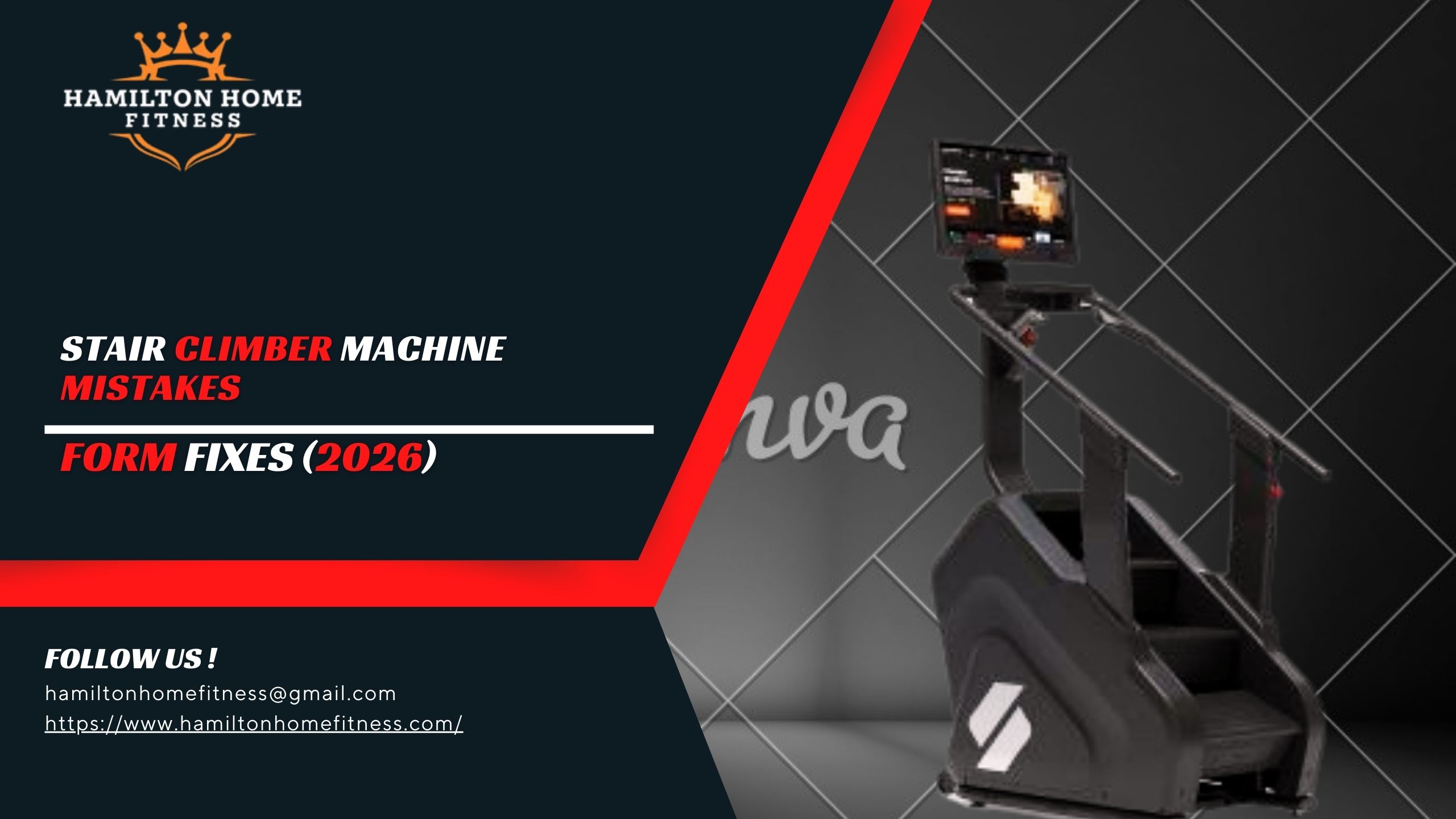
If you use a Stair Climber Machine and feel it “hits the knees,” burns your shins, or leaves your glutes doing nothing, you’re not alone. Home fitness fans, small gyms, and trainers across the U.S. (including Tennessee) run into the same few form mistakes again and again—leaning on rails, hunching forward, taking shallow steps, and bouncing instead of stepping.
This guide is built to fix those problems fast. You’ll learn a simple 60-second self-check, then the exact cues to stand tall, place your foot, and choose a speed and resistance you can control. A quick phone video from the side can reveal rail lean, step depth, and bounce in seconds. You’ll also get mini checklists and “if this, then that” fixes—for example: if you can’t take your hands off the rails for 5–10 seconds, slow down first; if your toes do all the work, bring the whole foot into the step.
If you’re ready for a smoother climb and a more stable machine at home or in a facility, explore mid-workout-friendly options from Shop Quality Fitness Gear and Equipment - Hamilton Home Fitness—with nationwide shipping. After reading, you’ll know how to climb with better calories, less pain, and cleaner form.
Stair Climber Machine posture basics
Is leaning on rails bad?
Yes—most of the time. Leaning on rails takes bodyweight off your legs and glutes, and it often pulls you into a forward hunch posture that makes the climb feel harder in the wrong places.
A quick self-check: set your hands to “light fingertips” for 10 seconds. If you immediately collapse forward or your steps get sloppy, your speed or resistance is too high. My go-to fix is simple: lower one setting, then focus on core bracing (think “zip up your ribs”) and keep your head stacked over your chest. You should feel steadier, not “held up” by the handrails.
Are you supposed to stand upright?
Yes—aim for tall posture with a neutral spine. Do this: stack ribs over hips and keep your eyes forward, then let your legs do the work while your hands stay relaxed; for a step-by-step setup, the Stair Climber Machine Beginner Guide shows how to start clean without overgripping.
A practical cue that works for most people: “Shoulders soft, elbows bent, hands light.” If your shoulders creep up toward your ears, that’s usually a sign you’re gripping too hard or breathing too shallow—slow the pace and return to steady breathing.
Rail use: balance vs support
Rails are for balance, not for carrying your bodyweight. If you need a tight grip to keep moving, treat that as a red flag: reduce speed first, then reduce resistance, then rebuild control.
Edge case: if you’re rehabbing or feel unsteady, it’s okay to use the rails more—just keep your torso tall and avoid hanging your weight forward. The goal is to use the rails like a “training wheel,” not a crutch.
Steps: skip, depth, and bounce
Why skipping steps is a bad idea
Skipping steps is usually a control problem, not a “hardcore” upgrade. When you skip, most people start using bouncing mechanics to keep up, which can throw off knee tracking and make foot placement sloppy. You also lose a steady rhythm, so your hips stop driving and your legs do more “catching” than stepping.
Quick test: if your steps sound like a stomp or you feel a jolt at the bottom of each step, you’re not controlling the descent. The fix is boring but effective—go back to single steps, slow the pace, and aim for quiet, smooth contact.
Small vs deep steps: which wins?
In most cases, deep steps win for control and glute involvement, while shallow steps often turn into fast, quad-heavy tapping. Deep doesn’t mean lunging—it means your foot lands solidly and your hip can extend behind you.
Use this decision rule:
- Want more glutes and steadier form? Go deeper and slower.
- Want a lighter feel for recovery days? Slightly smaller steps, but still controlled—no toe tapping.
If you’re shopping for a unit that keeps step feel consistent (especially for home use), you can buy the Stair Climber Machine options built for stable stepping and smoother cadence.
Should heels stay down to stop bounce?
Keep your whole foot involved—avoid toe-only stepping. On many machines your heel may not stay fully “planted” the entire time, but it should feel like you’re pressing through midfoot and heel, not living on your toes.
Troubleshooting ladder (in order):
- Lower speed (common cause: speed too high)
- Reduce resistance (common cause: resistance too high)
- Cue: “Push the step down, don’t drop onto it”
If bounce disappears when you slow down, you’ve found the real issue: control first, intensity second.
Knee and shin pain: form fixes
Can wrong form hurt your knees?
Yes. If your form is off, the stair climber can irritate your knees—especially when shallow steps, speed too high, or leaning on rails makes your knees take the load instead of your hips. The most common pattern I see is the knee drifting inward or shooting forward while the torso hunches, which can feel like sharp pressure around the kneecap.
Use this knee-safe checklist:
- Slow enough to control each step (no rushing)
- Step deep enough to stay stable (no toe tapping)
- Keep knee tracking in line with your toes
- Use rails lightly for balance, not support
If pain is sharp, swelling shows up, or it worsens over time, stop and consider getting guidance from a qualified clinician—knee safety considerations always beat “pushing through.”
Why do my shins hurt after?
Shin pain often comes from toe-only stepping and overdoing intensity too soon (classic overtraining cardio move). When your toes do all the work, your shins can feel like they’re “pulling” every step.
Quick fix pairings:
- Toes burning + shin ache → bring the whole foot into the step
- Breathless + sloppy steps → lower speed first, then resistance
If the machine feels unusually brutal even at modest settings, the Stair Climber Machine: Why It Feels Hard Fixes Tips can help you troubleshoot the hidden culprits (like pace, posture, and recovery).
Why do my feet go numb?
Numb feet is often a combo of poor footwear, tight laces, and constant forefoot pressure. I’ve seen it disappear in one session just by loosening the lower laces and switching to shoes with a wider toe box.
Foot comfort checklist:
- Loosen laces near the toes
- Wear socks that don’t bunch
- Choose stable shoes (not soft, squishy soles)
- Shift pressure from toes to midfoot/heel involvement
If numbness keeps happening off the machine too, don’t ignore it—get it checked.
Speed, load, and glute results
Biggest glute growth mistake
The biggest mistake is chasing fatigue with shallow steps and a fast pace, which usually turns the workout into quad-dominant climbing. For better glute work, you need controlled step depth and clear hip extension cues—your hip should drive back and down like you’re “pressing the step away,” not just lifting your knee.
A quick “feel check” I use: if you only feel burn above the knees, your steps are too small or your torso is too upright. Aim for a slightly deeper, steadier step where you feel work in the back of the hips and glutes. If you want a clearer map of what you should feel where, the Stair Climber Machine Muscles Worked: Full Guide breaks it down in a simple way.
Does going too fast raise injury risk?
Yes. Speed too high is one of the fastest routes to sloppy form—more bouncing mechanics, more toe-only stepping, and worse knee tracking. When you’re moving faster than you can control, your feet start “slapping” the steps and your torso often tips forward.
Decision rule: if you can’t keep your steps quiet and your hands light on the rails, you’re going too fast. A safer approach is controlled intervals where you raise effort without losing form; the Stair Climber Machine Workout Guide is a good structure to follow without turning it into a sprint-fest.
Is a weighted vest okay on it?
It depends. A weighted vest can boost intensity, but it also increases joint load—especially if you already use resistance too high or bounce through steps. Start only after you can climb hands-light, bounce-free, and pain-free.
Progression checklist:
- Keep speed moderate and steps controlled
- Use deeper steps before adding more load
- Stop if knees, shins, or feet flare up
- Don’t stack heavy vest days back-to-back
If your goal is safe, consistent training at home or in a facility, Hamilton Home Fitness stair climbers can be a smart option to build around—choose a setup that helps you keep form clean first, then add intensity.
People Also Ask
Is it bad to lean on the rails on a stair climber machine?
Yes—most of the time, because it unloads your legs and turns the workout into “hanging” instead of stepping. If you can’t take your hands off the rails for 5–10 seconds, lower speed or resistance until you can.
Are you supposed to stand upright on the stair climber?
Yes—stand tall with your ribs stacked over your hips, not folded into a forward hunch posture. A simple cue: keep your eyes forward and your hands “light,” like you could wiggle your fingers.
Why is skipping steps on the stair climber a bad idea?
Skipping steps often forces bouncing mechanics and reduces control, especially when you’re fatigued. If your feet start “slapping” the pedals or you feel a jolt each step, return to single steps.
Is it better to take small steps or deep steps?
Deep steps are usually better for control and glute involvement, while small shallow steps often become fast toe-tapping. For a clear test, try a deeper step at a slower pace and see if your hips feel more engaged.
Can the stair climber hurt your knees if your form is wrong?
Yes—wrong form can irritate knees, especially with shallow steps and poor knee tracking. If you feel sharp pain or swelling, stop and reduce load or seek professional guidance.
What’s the biggest mistake for glute growth on the stair climber?
The biggest mistake is staying too shallow and letting quads do all the work. A good cue is “push the step down and back” so you feel effort in the back of the hips.
Does going too fast increase injury risk on the stair climber?
Yes—going too fast can cause bouncing, sloppy foot placement, and loss of knee alignment. If you need a tight grip on the rails to keep up, slow down until you can stay hands-light.
Should I keep my heels down on the stair climber?
Keep the whole foot involved—don’t climb on your toes the entire time. A helpful condition: if your calves cramp early, shift pressure toward midfoot and lighten the pace.
Why do my shins hurt after the stair climber?
Shin pain often comes from toe-only stepping and doing too much too soon. If the pain is strongest along the front of the shin, reduce speed and focus on full-foot contact.
Is it okay to do the stair climber with a weighted vest?
It depends—only add a vest after you can climb with clean control and no pain. A safe condition: stop the vest if knees or shins flare up during the session.
Why do my feet go numb on the stair climber?
Feet can go numb from tight laces, narrow shoes, or constant forefoot pressure. Try loosening the lower laces and check if numbness eases within a few minutes.
How do I stop bouncing on the stair climber?
Slow down and step with control instead of dropping onto the next pedal. If the bounce disappears when you reduce speed by one level, you’ve found the fix: control first.
Final Thought
If your Stair Climber Machine workouts feel painful or pointless, it’s usually not “you being weak”—it’s a fixable form issue. The biggest upgrades come from the boring basics: tall posture (no forward hunch posture), light hands (no leaning on rails), full-foot stepping (not toe-only stepping), and controlled speed so bouncing mechanics don’t creep in.
A simple next step: record a 10–15 second side video and check three things—hands gripping hard, steps staying shallow, and knees drifting off line. Then change one variable (speed or step depth) and re-test for five minutes. That’s how you make progress without guessing.
If you’re ready to build cleaner cardio at home or upgrade a facility setup, Hamilton Home Fitness is a smart place to start—choose equipment that supports stable stepping and consistent control, so your knee tracking and hip extension cues stay solid. Better form gives you better calories, less pain, and results that actually match your goal.