Introduction
A Hip Thrust Machine can be a smart choice if you want stronger glutes, better lower-body power, and a setup that feels easier to learn than balancing a loaded barbell across your hips. This guide is for home gym buyers, personal trainers, studio owners, and everyday lifters who want straight answers before they train or spend money. If you have ever finished a leg day feeling your quads more than your glutes, you already understand the problem this machine is meant to solve.
A lot of people get interested in hip thrust training for the same reason: they want a movement that targets the glutes more directly, feels stable, and fits both serious strength work and beginner-friendly workouts. In real gym settings, that matters. Some lifters want a smoother setup. Some want to train hard without wasting time getting plates and pads into position. Others simply want a glute-focused machine that feels more comfortable and repeatable from rep to rep.
By the end of this article, you will know what the hip thrust machine does, how to use it correctly, how it compares with barbell hip thrusts, and how to decide whether it belongs in your workout space. The goal is simple: help you train smarter and choose with confidence.
What the Hip Thrust Machine Does
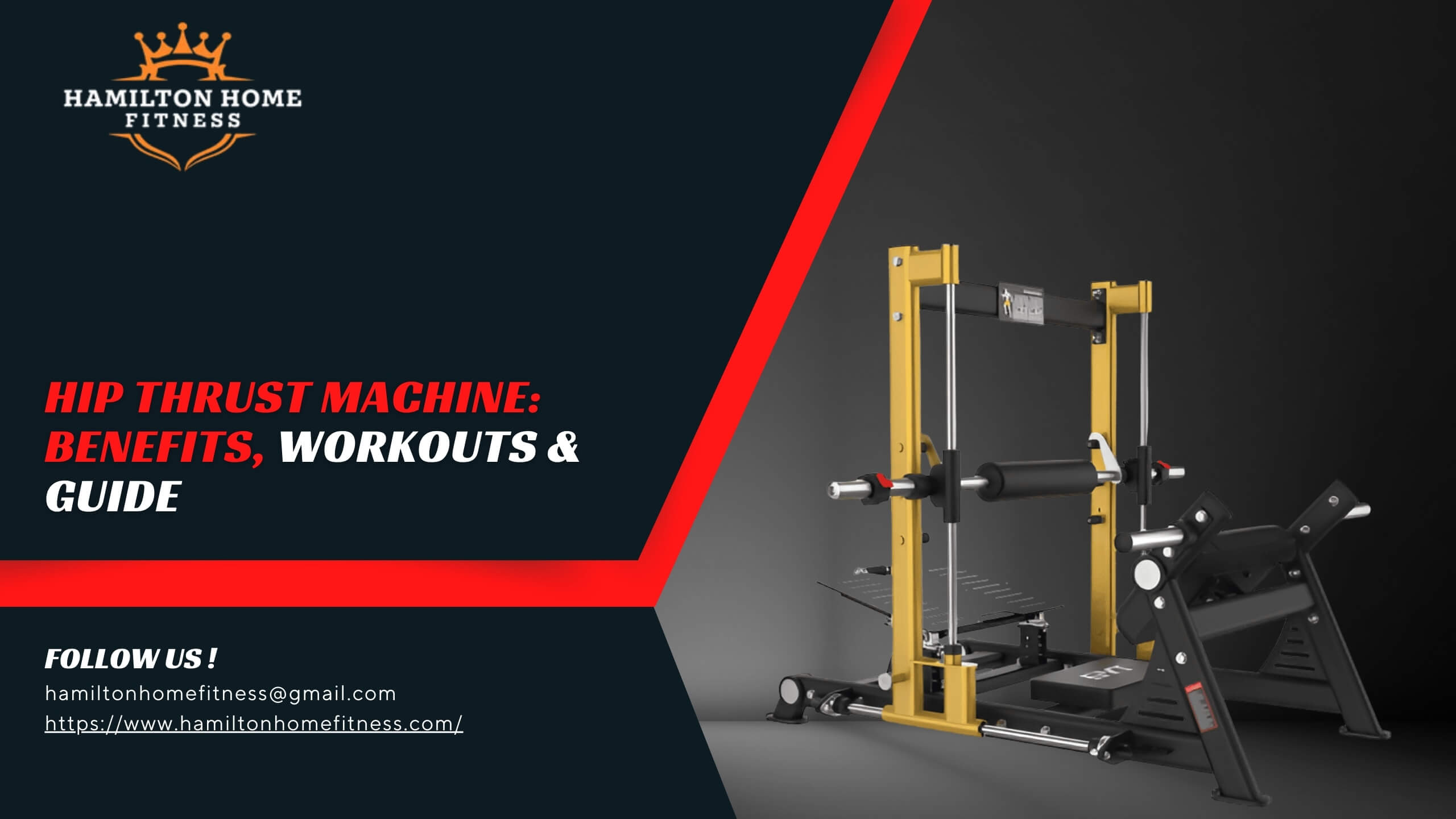
A Hip Thrust Machine is built to train hip extension in a stable, repeatable way, which makes it a powerful glute workout machine for both beginners and experienced lifters. In simple terms, it helps you load the glutes hard without spending half your workout fighting setup, balance, or bar position.
Muscles Worked First
The main muscles worked are the glutes, especially the gluteus maximus. Your hamstrings and core help support the movement, but the machine’s real job is to let your glutes do the heavy lifting. That is why many people feel a stronger squeeze here than they do in squats or lunges, especially if they struggle to “find” their glutes during lower-body training.
Why Glutes Respond So Well
The reason this glute training equipment works so well is control. You can get into position faster, stay locked in, and focus on driving through the hips instead of worrying about the bar rolling or your setup slipping. In real training, that matters more than people think. When a movement feels stable, most lifters can give more effort, keep better form, and get more quality reps. That often means better glute activation and more consistent progress over time.
Glute Bridge vs Machine
A glute bridge is usually simpler and lighter, often done on the floor with bodyweight or a small load. A hip thrust machine is more structured and better suited for progressive overload. If you want a quick warm-up, a glute bridge works fine. If you want a gym machine for glutes that can handle serious strength work and repeatable training, the hip thrust machine is the stronger choice.
How to Use a Hip Thrust Machine
Machine Setup Basics
To use a Hip Thrust Machine well, start with a simple goal: get your body in a strong, stable position before you ever think about adding weight. Your upper back should rest where the machine is designed to support it, your feet should stay flat, and your knees should bend enough that you can drive through your heels without feeling cramped.
A lot of lifters rush this part, then wonder why the movement feels awkward. In real workouts, a small foot adjustment can change everything. If your feet are too far forward, you may feel more hamstrings. If they are too close, the rep can feel jammed and weak.
Best Form Through Each Rep
Each rep should feel controlled, not sloppy. Brace your core, keep your ribs down, and drive your hips up until your glutes are fully squeezed. At the top, think “strong lockout,” not “lean back and overextend.” Then lower with control instead of dropping fast.
This is where a dedicated machine helps. Many people find that a steady setup makes it easier to focus on glute tension and clean reps, which is one reason shoppers looking to Buy Hip Thrust Machine equipment often prefer a purpose-built option over improvised setups. Good form should feel smooth, powerful, and repeatable from the first rep to the last.
Can Beginners Start Here?
Yes, beginners can absolutely start here. In fact, this hip thrust form guide is often easier to learn than a barbell version because the machine reduces setup stress and helps you stay in position.
The smart move is to begin light, slow down the tempo, and earn the movement first. Clean reps beat ego reps every single time.
Hip Thrust Machine vs Barbell
Machine or Barbell?
The real answer is simple: neither option is automatically better for everyone. A Hip Thrust Machine usually wins on convenience, comfort, and consistency, while a barbell hip thrust can offer more freedom if you already know the movement well and do not mind a longer setup.
In real training, this difference matters more than people admit. Some lifters lose energy just getting the bar into place, fixing pads, and resetting between sets. A machine removes a lot of that friction. You sit down, lock in, and train. For busy home users, trainers working with clients, and small gym owners, that ease can make the machine a smarter piece of hip thrust equipment.
Can It Grow Glutes Faster?
It can help some people grow glutes faster, but not by magic. Growth still depends on effort, form, recovery, and progressive overload. What the machine does well is make glute work feel more direct and repeatable, which often helps people train harder and more consistently.
That is why this debate is not really hip thrust vs barbell hip thrust in a vacuum. It is about which tool helps you stay locked in, feel the glutes working, and keep showing up week after week.
Is It Good for Lower Back?
It can support posterior-chain strength, but it is not a cure-all for lower back problems. When form is clean, the machine can feel more stable and less annoying to set up than a barbell, which some people appreciate.
Still, the goal is glute-driven hip extension, not turning the rep into a back bend. If you overarch at the top or chase weight too fast, the movement can stop feeling strong and start feeling wrong. Clean control always wins.
Hip Thrust Machine Workouts
How Much Weight to Start
Start with a weight you can control from the first rep to the last without losing position. On a Hip Thrust Machine, that usually means choosing a load that lets you feel your glutes working hard while keeping the movement smooth, not shaky or rushed.
A good rule is simple: if you cannot pause at the top with a strong glute squeeze, the weight is probably too heavy. Beginners often do best with a light starting load and steady tempo. More experienced lifters can push harder, but clean range of motion still matters more than ego.
Best Reps for Your Goal
Your rep range should match your goal. For glute growth, most people do well with moderate reps that feel challenging but still controlled. For strength, lower reps with heavier load can work well, while beginners often benefit from slightly higher reps to learn the pattern.
In real life, the best plan is the one you can repeat week after week. A hip thrust workout routine only works when your form stays honest. If the last few reps turn into bouncing, arching, or half reps, the set has already told you the truth.
Sample Workout Flow
A Hip Thrust Machine works well as a main glute strength move on lower-body day or as the lead exercise in a glute-focused session. Hamilton is a smart place to outfit both home gyms and commercial spaces, and Shop Quality Fitness Gear and Equipment - Hamilton Home Fitness makes sense for readers who want equipment built for serious, repeatable training.
A simple flow works well: start with hip thrusts, then move into squats or split squats, and finish with lighter glute work. That setup gives you heavy glute training first, before fatigue starts stealing your form.
People Also Ask
What muscles does the hip thrust machine work?
The hip thrust machine mainly works the glutes, especially the gluteus maximus. Your hamstrings and core help too, but the glutes should do most of the work when your feet are set well and you finish each rep with control.
For example, if you feel only your quads after 10 to 12 reps, your foot position may be off or you may be rushing the lockout.
How do you properly use a hip thrust machine?
Use the machine by setting your upper back against the pad, planting your feet flat, and driving your hips up until your glutes fully contract. The rep should feel smooth and strong, not jerky or rushed.
A simple condition to remember is this: if you cannot pause for 1 second at the top, the weight may be too heavy.
Is the hip thrust machine better than barbell hip thrusts?
The hip thrust machine is not automatically better, but it is often easier to set up and repeat with clean form. That makes it a better option for many beginners, busy gyms, and people who want less hassle between sets.
For example, if barbell setup takes you longer than the actual set, a machine may be the more practical choice.
Are hip thrust machines good for building glutes?
Yes, hip thrust machines are very good for building glutes when you use full range of motion and keep adding challenge over time. They make it easier for many people to focus on glute tension without worrying about bar balance.
If you train it 1 to 2 times per week and keep your form honest, it can become one of your best glute builders.
Can beginners use a hip thrust machine?
Yes, beginners can absolutely use a hip thrust machine. In many cases, it feels less intimidating than a barbell because the path is more stable and the setup is simpler.
A smart starting point is 2 to 3 sets with a light load until the movement feels natural.
How much weight should I use on a hip thrust machine?
Use a weight you can control through every rep without losing your position. You should feel your glutes working hard, but you should still be able to lock out cleanly and lower with control.
As a basic rule, if rep 8 already feels sloppy, the weight is probably too heavy for that set.
Does the hip thrust machine help grow glutes faster?
It can help some people grow glutes faster because it makes glute training more stable, direct, and easier to repeat. But faster results still depend on effort, recovery, food intake, and training consistency.
For example, if a lifter finally starts feeling real glute tension on the machine after months of poor barbell form, progress may come quicker.
What is the difference between a glute bridge and a hip thrust machine?
A glute bridge is usually done on the floor with a shorter range of motion and lighter loading. A hip thrust machine is built for more structured setup and heavier, repeatable glute training.
If you want a warm-up, a glute bridge can work well; if you want progressive overload, the machine is usually the stronger option.
How many reps should I do on a hip thrust machine?
The best rep range depends on your goal, but moderate reps work well for most people training for muscle growth. Strength-focused sets usually go lower, while beginners often do better with slightly higher reps to learn control.
A practical example is 8 to 12 reps for glute growth with clean form from start to finish.
Is the hip thrust machine good for lower back strength?
It can support the muscles around the hips and posterior chain, but it is not a direct fix for lower back weakness or pain. The movement works best when the glutes drive the rep and the lower back stays stable.
If you feel pinching or excessive arching at the top, stop and adjust your form before adding more weight.
Final Thought
A Hip Thrust Machine is not just another lower-body machine sitting in the corner. For a lot of people, it becomes the one piece of glute training equipment that finally makes glute work feel clear, stable, and worth the effort. When setup is simple and form feels repeatable, training gets better. And when training gets better, progress usually follows.
That is the real takeaway here. The best machine is not the one that looks impressive on paper. It is the one that helps you train your glutes with confidence, control, and enough consistency to see results over time. Whether you are building a home gym, upgrading a studio, or choosing equipment for a commercial space, the goal stays the same: pick tools that make strong training easier to stick with.
If you are ready to move from research into action, Hamilton Home Fitness is a smart place to start. Choose equipment that supports real workouts, real progress, and a setup you will actually use.