










Selectorized
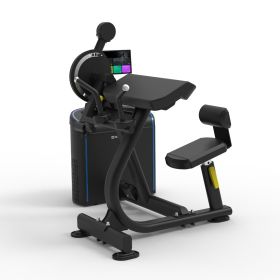

Selectorized Bicep Curl Machines for Serious Arm Strength
Bigger, more controlled arm gains start with the right tool. A selectorized bicep curl machine gives you guided motion, fast pin-loaded resistance changes, and a fixed arm path that keeps tension on the biceps where it belongs. This collection from Hamilton Home Fitness brings together premium pin-loaded curl stations for home gyms, commercial floors, studios, and rehab-aware facilities — shipped from our Tennessee headquarters to all 50 states.
Why a Selectorized Curl Machine Wins
A selectorized bicep curl machine outperforms loose dumbbells for repeatable, progressive arm training. The pin-loaded stack eliminates fumbling with plates, the seat and upper-arm pads lock you into position, and the guided lever path strips out the body english that usually steals stimulus from the biceps. Every set becomes measurable. If your reps move up or your stack pin drops a hole lower, you know that's real progress — not momentum from a swung torso.
Is a bicep curl machine better than dumbbells? For repeatability, joint safety, and rapid load changes, yes. Dumbbells still win for unilateral variety and free-plane work, which is why most well-designed strength programs use both. A selectorized station shines as the consistent overload anchor of your arm workout.
Selectorized vs Plate-Loaded at a Glance
Both deserve a place in well-built gyms, but they solve different problems. Use this quick comparison to match the format to your floor:
| Feature | Selectorized Curl Machine | Plate-Loaded Curl Machine |
|---|---|---|
| Load change | Pin selection in seconds | Manual plate loading per set |
| Best for | High-throughput facilities, home, rehab | Strength athletes wanting plate feel |
| Increment control | Small, consistent jumps | Variable by plate inventory |
| Footprint | Compact, self-contained | Needs nearby plate storage |
| Multi-user speed | Fast turnover between members | Slower handoffs |
| Maintenance | Cable and pulley service | Sleeve and bushing wear |
For most home gyms, hotel fitness rooms, corporate wellness setups, and small studios, the selectorized format is the higher-leverage choice. Browse the full lineup of pin-loaded curl machines to see how the formats compare in person.
How to Choose the Right Model
The best selectorized bicep curl machine is the one that fits your joints, your space, and your training cadence. Use these three filters before you buy.
Fit and Elbow-Pivot Alignment
Your elbow should sit as close to the machine's pivot point as the design allows. That single setup detail decides whether the curve feels honest at the bottom and locked at the top, or whether your shoulder starts cheating the rep. Look for multi-position seats, supportive upper-arm pads, and grip options that allow both supinated and neutral hand positions.
What muscles does a bicep curl machine work? Primarily the biceps brachii, brachialis, and brachioradialis, with forearm flexors stabilizing the grip. A supinated grip biases the biceps brachii; a neutral grip often feels friendlier on the elbow and brings more brachialis into play.
Resistance Feel and Cam Profile
Two machines with identical stacks can feel completely different. The cam shape determines how torque changes through your range, so the goal is a curve that stays challenging without smashing the bottom or collapsing at the top. Premium selectorized designs use shaped cams to flatten the strength curve, keeping more of the rep loaded.
Footprint, Durability, and Serviceability
Plan for the walkway, not just the corner. Confirm the floor footprint, the swing path of the arms, and the clearance you need for safe entry and exit. Heavy-gauge steel frames, sealed bearings, high-cycle cables, and double-stitched, sweat-resistant upholstery decide whether the machine still feels new in year five. Common wear parts — cables, pulleys, pads, selector pins — should be easy to source and replace.
Key Selection Criteria
Use this checklist when comparing models in this collection.
✅ Heavy-gauge welded steel frame
✅ Smooth, low-friction weight stack
✅ Small, progress-friendly load jumps
✅ Multi-position seat adjustment
✅ Ergonomic upper-arm pad geometry
✅ Supinated and neutral grip options
✅ Cam-shaped resistance curve
✅ Sealed, high-cycle pulleys
✅ Sweat-resistant dense padding
✅ Compact, gym-friendly footprint
✅ Easy entry and exit setup
✅ Serviceable wear parts on hand
Who This Collection Is Built For
This category serves a wide range of buyers because guided elbow flexion fits almost every program.
- Home fitness enthusiasts wanting a commercial feel without a wall of dumbbells.
- Small gyms and boutique studios that need fast member turnover and durable upholstery.
- Corporate wellness facilities and hotel gyms where simplicity and safety matter.
- Coaches and personal trainers who want repeatable setups for client assessments.
- Sports teams adding controlled accessory work without taxing recovery.
- Rehab-aware buyers, seniors, and families who value stable positioning and smaller load increments.
Match the machine to the heaviest, tallest, and newest users you expect to host — not just yourself.
Programming That Turns the Machine Into Results
A selectorized curl station pays off when you train it with intent. Treat it as your overload anchor for elbow flexion and keep technique tight.
- Frequency: 2–3 sessions per week for the elbow flexors.
- Reps: 8–15 for most hypertrophy work; occasional 6–8 strength blocks.
- Effort: Finish with roughly 1–3 reps in reserve, not grinding failure every set.
- Tempo: Controlled lower, smooth lift, and brief pause near the hardest point.
- Progression: Add load only when reps stay clean across every set.
How heavy should I curl on a machine? Use a load that lets you hit your target reps without swaying, shrugging, or bouncing the bottom. If form breaks, the load is too heavy—drop a pin and earn the next jump.
Are selectorized curl machines good for elbow pain? They can be, because the path is guided and load increments are smaller than dumbbells. Choose a neutral grip when needed, keep shoulders relaxed, avoid forcing the deep stretch, and consult a qualified clinician for any persistent joint pain before progressing weight.
Why Buy from Hamilton Home Fitness
Hamilton Home Fitness is your Tennessee-based source for commercial-grade strength equipment, shipping nationwide across the USA. We carry over forty trusted brands, offer real consultative help on fit and footprint, and back every order with secure checkout and responsive support. Whether you're outfitting a single garage gym or a full multi-bay facility, you get equipment matched to how you actually train — not boxed-in upsells.
Pair your new curl machine with the right surrounding gear from our commercial strength equipment and free weights categories, or book a gym design consultation to plan the full layout before you order.
Ready to Train Smarter — Shop Now
Bigger arms, cleaner reps, and measurable progress start with the right machine. Compare models in this selectorized bicep curl machine collection, pick the footprint and feel that fits your space, and order with confidence — Hamilton ships from Tennessee to all 50 states. Have a sizing or fit question first? Contact our team and we'll help you match the right machine to your gym, your goals, and your floor plan.
Secure Payments

© HAMILTON HOME FITNESS. All Rights Reserved.
