










Curl
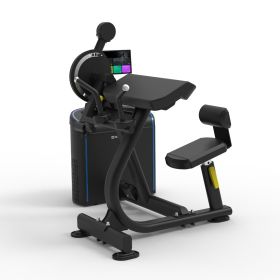
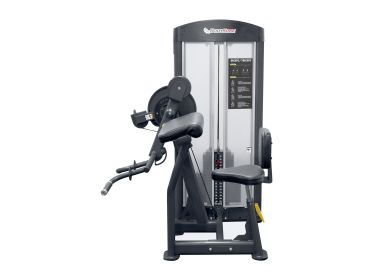
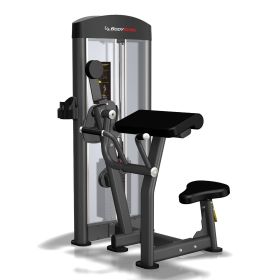
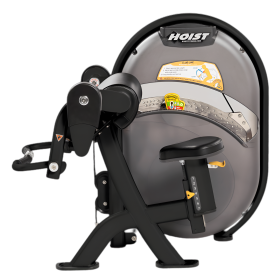


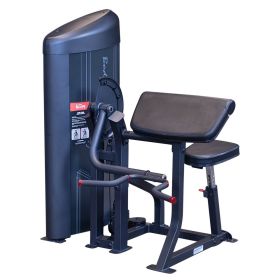
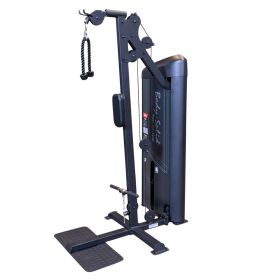
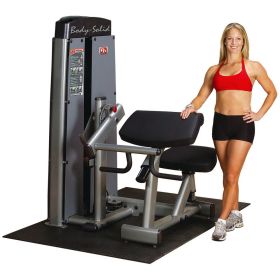
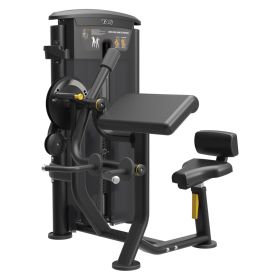
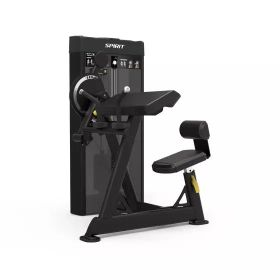
Bicep Curl Machine for Sale – Premium Models Built for Real Arm Growth
A bicep curl machine for sale is worth your money when it tracks your elbow naturally, holds tension through the full rep, and survives daily use without rattling, sticking, or wandering out of alignment. This page gives you the buying clarity to choose confidently — whether you're outfitting a single garage gym, a boutique studio, or a full commercial floor. Hamilton Home Fitness is headquartered in Tennessee and ships premium curl machines to all 50 U.S. states.
What Makes a Curl Machine Worth Buying
A good curl machine challenges you through the entire range, not just the easy part. The wrong machine feels heavy in one spot, then suddenly weightless, and you lose the deep mid-rep tension where most arm growth actually happens. The right machine matches your elbow path, supports your shoulder, and lets you train hard without your back, traps, or wrists rescuing the set.
Is a biceps curl machine better than dumbbells? A machine gives you more consistent tension, cleaner form, and easier overload. Dumbbells win when you want free-range movement and stabilization work. Most serious lifters benefit from owning both, with a curl machine doing the heavy isolation work.
Choose the Right Bicep Curl Machine
There are five main curl styles, and your goal decides which one earns the floor space.
Selectorized vs Plate-Loaded
The first decision is how the weight is loaded. Both are excellent — your space and your users decide the winner.
- Selectorized (weight stack): Pin-select the load in seconds. Best for shared spaces, families, or commercial floors with high turnover.
- Plate-loaded: Lower cost per pound, fewer moving parts, and a more "free-weight feel." Best for dedicated lifters and studios with existing plate inventory.
Plate-loaded or selectorized—which should I buy? Plate-loaded is tougher, simpler, and cheaper per pound of resistance. Selectorized is faster between sets and keeps busy facilities flowing.
Preacher, Standing & Unilateral Designs
- Preacher-style: Locks the upper arms against an angled pad. Eliminates cheating and forces strict, isolated reps.
- Standing curl station: Often a better fit for tall lifters, with a more athletic stance and natural posture.
- Unilateral / iso-lateral: Each arm works independently—critical for evening out left–right strength gaps.
- Dual-function curl + tricep: Trains both sides of the arm in one footprint. Ideal when floor space is tight.
Key Selection Criteria
Run any bicep curl machine for sale through this checklist before you buy.
✅ Smooth resistance through full ROM
✅ Pivot aligns with the elbow joint
✅ The seat adjusts quickly and locks firm.
✅ Arm pad fits the lifter's torso length
✅ Multiple grip options (supinated, neutral)
✅ Commercial-grade welded steel frame
✅ Sealed bearings, quiet guide rods
✅ Compact footprint for the room
✅ Stack or plate horns rated for goals.
✅ Warranty on frame and parts
✅ Easy access for cleaning and lube
✅ Stable base — no rocking under load
Match the Machine to Your Space
Where the machine lives matters as much as how it lifts. Use this quick-reference table to narrow your shortlist.
| Use Case | Best Curl Style | Why It Wins |
|---|---|---|
| Home gym (1–2 users) | Plate-loaded preacher or dual curl/triceps | Lower cost, compact, no stack to maintain |
| Studio / boutique gym | Selectorized preacher with multi-grip | Fast set changes, easy for new clients |
| Commercial floor | Iso-lateral selectorized, 200 lb+ stack | Heavy-use rating, fixes strength gaps |
| Rehab or wellness | Light-load selectorized seated curl | Precise low-load steps, joint-safe ROM |
What size space do I need for a biceps curl machine? Most seated curl machines fit a footprint between roughly 45" x 43" and 60" x 60", plus about 24" of clearance for entry and seat adjustment. Always measure with the seat slid fully out.
Dial In Setup for Real Bicep Growth
A premium machine still needs honest setup. Three variables decide whether the biceps get loaded or your shoulders quietly take over.
Shoulder Position
The biceps crosses both the shoulder and elbow, so your shoulder angle changes the stimulus. Keep the upper arm fully supported on the pad — never pushed forward. Ribs stay down. Shoulders stay quiet. No shrugging to finish the rep.
How do I stop my shoulders from taking over? Lower the seat or arm pad until your elbows track naturally, keep your ribs down, and never let your elbows drift forward as you curl.
Forearm Rotation
A grip change, which muscle does the work.
- Supinated (palms up): Strongest biceps emphasis. Default for most lifters.
- Neutral (palms facing): Wrist-friendly. Use when elbows feel cranky.
- Pronated (palms down): Brachioradialis emphasis. Tougher, but balances the arm.
If you only feel forearms, soften the grip and rotate slightly more supinated.
Range of Motion & Tempo
- 2–3 second eccentric (lowering phase)
- Pause briefly at the stretched position
- No bounce out of the bottom
- Stop one inch before pain—earn range over weeks, not in one session
What rep range grows biceps fastest on a machine? Most lifters grow well with 2–4 hard sets in the 6–15 rep range, adding one clean rep per week until they can add load.
Commercial Reliability & Maintenance
For commercial facilities, uptime is performance. The best curl machines are designed for years of daily use with very little fuss.
- Weekly: Wipe down upholstery, inspect cables and pins, and listen for new noise.
- Monthly: Clean and lubricate guide rods per the manufacturer's specs and tighten visible hardware.
- Quarterly: Inspect welds, replace worn cables before they fray, recheck stack alignment.
A machine that's easy to service stays in service. Look for openly accessible cables, clearly labeled adjustment levels, and frames protected with chip-resistant powder coating.
Why Buy from Hamilton Home Fitness
Hamilton Home Fitness is a Tennessee-based premium supplier shipping commercial-grade strength equipment to all 50 states. The curl selection spans selectorized stations, plate-loaded preacher units, dual-function curl/tricep machines, and standing curl stations from manufacturers built to outlast trend-driven home brands and to hold up on busy commercial floors.
Whether you're equipping a private gym, a corporate wellness room, a rehab clinic, a hotel facility, or a multi-bay studio, the right curl machine should feel correct on the first rep and the thousandth. Browse the curl collection, pair it with matching preacher curl benches and weight benches or free weights and dumbbells, or book a full gym design consultation to plan an entire strength floor around it.
Choose the bicep curl machine for sale that fits your users, your training style, and your maintenance reality—and put a machine on your floor that gets chosen, set after set.
Secure Payments