Authorized:












Reformers
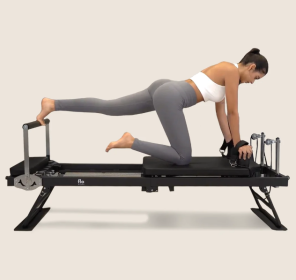
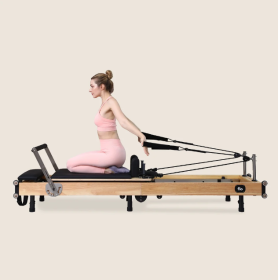
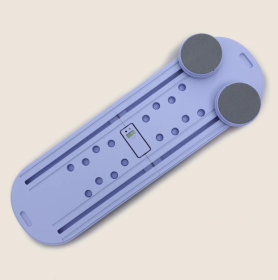
Pilates Reformer Machine for Sale from Flo Pilates
A Pilates reformer machine for sale here is a carriage or board system that loads your arms, legs, and core through adjustable resistance while your spine stays supported. Hamilton Home Fitness stocks the Flo Pilates range for beginners training at home, for instructors, and for owners fitting out a small studio.
- Brand stocked—Flo Pilates only
- Formats—portable board and full reformer
- Resistance—cords or adjustable tension
- Main trade-off—permanent setup versus pack-away
- Shipping—all 50 states from Tennessee
Three Reformers, Three Different Jobs
Price is the least useful way to choose here. Each model answers a different question, and only one of those questions is about money.
The entry model answers where the machine goes when you are not using it. The mid-model answers whether you can train properly at home most days. The top model answers who is allowed to train on it. Work out which question is yours, and the budget sorts itself out.
Decide who trains on the machine and how often before you compare prices.
Everything else the brand makes sits on the Flo Pilates brand page, including the accessories that pair with each reformer.
Compare Pilates Reformers for Sale
All three share a brand and cover similar movement patterns. What separates them is who they are built for and what arrives in the box.
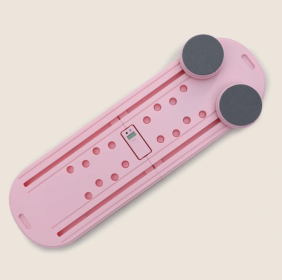
Portable Pilates Reformer Pro
- Price—$199.99
- Application—not published
- Included—Flo app trial and grip socks
- Buy it if your room has another job
Pilates Home Reformer
- Price—$1,795.00
- Application — Residential Only
- Included—grip socks and Flo app access
- Buy it if you train at home most days
Pilates Studio Reformer
- Price—$2,249.00
- Application — Commercial Workout Machines
- Included—socks, app, Pilates ball, and ring
- Buy it if clients or students will use it
The Portable Pilates Reformer Pro comes in pink or purple and packs away after each session, which is the whole reason that tier exists.
The Pilates Home Reformer folds down between sessions instead, so a spare room stays usable for other things. Prices shown were taken from the live product pages and can move, so check the current figure at checkout.
Home Use or Studio Use?
The product rating settles this, not the marketing language around it.
What is the difference between a home and a commercial Pilates reformer? A residentially rated machine is built and backed for one household. A commercial rating signals a machine meant for a facility where different people use it through the day. Many home machines are advertised as commercial-grade, which describes the build rather than the rating attached to it.
That distinction matters as soon as money changes hands. Residential is enough for a family training hard every day. Once paying clients or class members are on the carriage, the Pilates Studio Reformer is the correct purchase.
One honest gap worth naming: frame dimensions, assembled weight, and user weight limits are not published for these models. If any of those decide your purchase, ask first rather than assume.
Training alone or with family, residential is enough. Charging clients, buy the commercially rated machine.
Fitting out more than one station? Ask our Tennessee team for a quote before you order anything.
Key Selection Criteria
Use this before you order any reformer, not just these. It is a list of things to settle, not features to admire. Still deciding whether a machine is the right step at all? Working through resistance bands and tubing first is a cheaper way to test the habit.
✅ Count your real weekly sessions first.
✅ Decide if it must fold away daily.
✅ Measure the doorway and stair turn.
✅ Ask for the assembled length and width.
✅ Confirm the resistance type and range
✅ Check what ships are inside the box.
✅ Confirm who assembles it on arrival.
✅ Ask about spare parts and servicing.
✅ Compare the cost against class fees.
✅ Check the floor surface underneath it.
✅ Plan where it lives on day one
Who a Reformer Suits
A reformer earns its place when you use it regularly and have somewhere to keep it.
Buy one if you:
- Train at least twice most weeks
- Have a spot the machine can keep
- Want resistance work done lying down
- Are fitting out a studio or clinic
Hold off if you:
- Are still testing whether Pilates sticks
- Train once a month or less
- Need every spec published before buying
- Have no floor space, even temporarily
Mat work is not a consolation prize. Plenty of people build real control on mat and prop training gear and buy a machine a year later, knowing exactly what they want from it.
Working around an injury or alongside a clinician? Look through rehab and mobility equipment as well, and get medical clearance before loading an unfamiliar pattern.
Ordering and Delivery
Reformers travel as freight, so the logistics are worth settling early. Ask what arrives assembled, who carries it inside, and where the driver stops.
Outfitting a room with several stations is a different job from buying one machine. Studio layout planning covers placement, spacing, and traffic flow before anything is bought.
Send your address and doorway measurements over, and the team will confirm what fits. Delivery timing and returns are set out in our delivery and returns terms.
Reformer Buying Questions
How much does a Pilates reformer cost?
Across the US market, reformers run from budget folding boards to studio machines costing several thousand dollars. Frame material, the resistance system, and whether the machine is rated for facility use are what move the figure most.
Is buying a reformer cheaper than studio classes?
It depends entirely on frequency. A machine used several times a week starts to displace class fees. One used monthly will not, and a class pass would serve you better for less.
Is a wood reformer better than a metal one?
Not automatically. Both can be rigid and long-lasting. The difference shows up in weight, finish, and how the machine looks in a room you live in. The studio model here uses a premium wood frame.
Which reformer should a new studio buy first?
Start with the commercially rated machine, even if the budget stretches to only one. A single machine rated for client use is worth more than two that are not.
How do I look after the springs, cords, and rails?
Wipe the carriage and rails after training, keep grit off the track, and check the resistance system for wear or uneven tension. Replace worn parts rather than training through them, because a cord that has lost tension changes the load without telling you.
Order Your Reformer Today
Pick the model that matches how you actually train, then order it and book the first session into your week.
Hamilton Home Fitness carries the wider Pilates equipment range alongside these reformers, so props and upgrades come from the same place later.
Secure Payments