- HOIST (PRIVATE INVOICE ONLY)
Authorized:












Functional Fitness Rigs
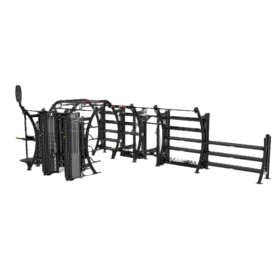


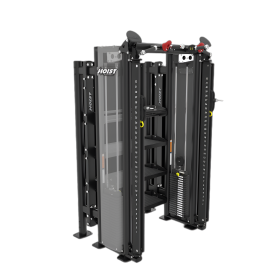


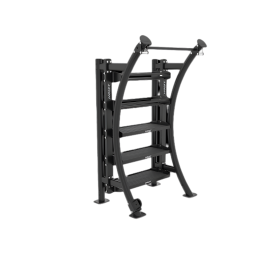
Buy a Functional Fitness Rig
A functional fitness rig is a modular steel frame that combines pull-up bars, dip stations, squat stations, and other training tools in one footprint. Buy a functional fitness rig when you want strength, conditioning, and skill work in a single durable setup — at home, in a studio, or across a full commercial floor.
Why buy a functional fitness rig
A rig replaces a room full of single machines with one frame that does more. Instead of buying a separate pull-up tower, squat stand, and dip bar, you get every station bolted into one stable structure. That saves floor space, saves money, and gives you a setup you can grow into.
What is a functional fitness rig? It is the steel backbone of a training space — the open frame you see at the center of most serious gyms. Uprights are joined by pull-up bars and crossmembers, leaving room for barbell work, bodyweight movement, and dynamic exercises without anything blocking your path.
At Hamilton Home Fitness, rigs are built around commercial-grade steel with heavy welds, so the frame stays solid through years of high-rep, high-load training. Steel options run from 11-gauge down to 7-gauge depending on the build, with the thicker gauges aimed at the busiest commercial settings.
Pick the right rig for your space
Start with your room, then choose the rig. The right frame depends on your ceiling height, floor space, how many people will train at once, and whether you want it freestanding or fixed to a wall.
What's the difference between a rig and a power rack? A power rack is one self-supporting station built for heavy barbell lifts, with safeties and a more private setup for a single lifter. A rig is a modular frame with multiple stations that several people can use at once—the stronger pick for group classes and functional training. If barbell strength is your whole focus, compare the options in power racks and cages before you decide.
What ceiling height do I need for a fitness rig? Most rigs need roughly 8 to 9 feet for full pull-ups and overhead work. Add about a foot above your standing reach so the bar clears your head, and leave extra room if you plan kipping or muscle-ups. Some wall-mounted frames fit lower ceilings, so always check the model specs.
Do functional rigs need to be bolted down? For dynamic movement, yes. Freestanding rigs are tall and narrow, so anchoring to a concrete floor (or studs, for wall-mounted frames) keeps the rig from rocking during kipping and explosive reps. Heavier units can stay stable for static lifting, but bolting down is the safest choice for high-use gyms.
| Setup | Best for | Space & install | Add stations later? |
|---|---|---|---|
| Freestanding rig | Group training, growing gyms | Needs floor clearance; bolt to floor for dynamic work | Yes—highly modular |
| Wall-mounted rig | Tight rooms and garages | Saves floor space; bolts into wall and studs | Some, within frame limits |
| Single-station rig | Solo lifters, smaller budgets | Compact, minimal footprint | Limited |
| Power rack | Heavy barbell lifting, privacy | Self-supporting; larger footprint | Via attachments |
Not sure which frame fits your room or layout? You can book a gym design and have the team plan the footprint, clearance, and anchoring for garage, home, commercial, or outdoor spaces.
Build out your training stations
A rig is only as useful as the stations on it, so plan the attachments around how you actually train. The open frame lets you mix barbell work, bodyweight movement, and conditioning in one circuit.
Common stations and add-ons include:
- Pull-up bars at multiple heights and grips
- Dip stations for chest, triceps, and core
- Plyo boxes for jumps and step work
- Squat and barbell stations with J-cups and safeties
- Battle ropes, sled tracks, and storage for plates and bars
Because the frame is modular, you can start lean and add stations as your training and your budget grow. Match every attachment to the frame's hole pattern and tube size so it locks in tight and stays safe.
Key things to check before buying
Use this checklist to compare any rig before you order. Each point affects safety, fit, and how long the frame lasts.
✅ Steel gauge from 11ga down to 7ga
✅ Freestanding or wall-mounted frame
✅ Enough ceiling height for pull-ups
✅ Floor space and safe clearance
✅ Number of training stations needed
✅ Rust-resistant finish for any room
✅ Indoor or outdoor placement
✅ Room to add stations as you grow
✅ Anchoring and hardware included
✅ Compatible attachments and add-ons
✅ Weight capacity for your lifts
✅ Setup help and after-sale support
Who these rigs suit best
These rigs fit serious home gyms and full commercial floors alike. The same modular design scales from a single garage user to a room training a dozen athletes at once.
Can you use a functional rig at home? Yes. A compact freestanding or wall-mounted frame turns a garage or spare room into a complete strength and conditioning station, and it pairs easily with the apps and wearables you already train with.
Are functional rigs good for commercial gyms? They are a core piece of commercial setups. A rig lets several members train at once, draws people in with variety, and stands up to all-day use—which is why it anchors most studios and boxes. For larger orders, browse the commercial fitness equipment range or request a quote.
Typical buyers include home gym owners; personal trainers; studios and small gyms; sports and school programs; rehab and recovery clients training under guidance; and corporate wellness rooms. Every purchase also supports the fight against human trafficking, which matters to buyers who want their money to do more than build muscle.
Functional fitness rig FAQ
How much room should I leave around a rig?
Plan for roughly 3 feet of clearance on each side and 6 to 8 feet in front for barbell and dynamic work, plus overhead space for pull-ups. Measure your room before buying so the rig and your movement path both fit comfortably.
Can a functional fitness rig be used outdoors?
Yes, when the frame has a rust-resistant, powder-coated finish rated for outdoor use. A cover helps in harsh weather, and humid or coastal climates call for more frequent checks to protect the steel.
Is help available for installation and setup?
Yes. Setup guidance and gym design consultations cover garage, home, commercial, and exterior projects, including layout planning and anchoring. The team can help you place and secure the rig correctly before your first session.
Can I add more stations to my rig later?
In most cases, yes. Rigs are modular, so you can bolt on extra pull-up bars, dips, storage, and attachments as your training grows — as long as each add-on matches the frame's size and hole spacing.
Do you ship functional fitness rigs across the USA?
Yes. Hamilton Home Fitness ships nationwide from its Tennessee base, with fast shipping and easy returns. Larger rigs may move by freight, so heavier orders are arranged to arrive safely.
What steel gauge makes a rig commercial-grade?
A lower gauge number means thicker steel. Commercial rigs often use 11-gauge uprights, with heavier 7-gauge options for the highest-traffic gyms. Thicker steel adds rigidity and load capacity for demanding, all-day use.
Are functional fitness rigs good for beginners?
Yes. Beginners can start with banded pull-ups, rows, and light barbell squats, then add load and stations over time. Working with a coach or following a simple plan keeps early progress safe and steady.
Ready to build your rig?
Compare freestanding and wall-mounted options, choose your stations, and start building a setup that lasts. Shop the range now or book a gym design consultation — every order ships fast across the USA and comes with expert setup support behind it.
Secure Payments