Introduction
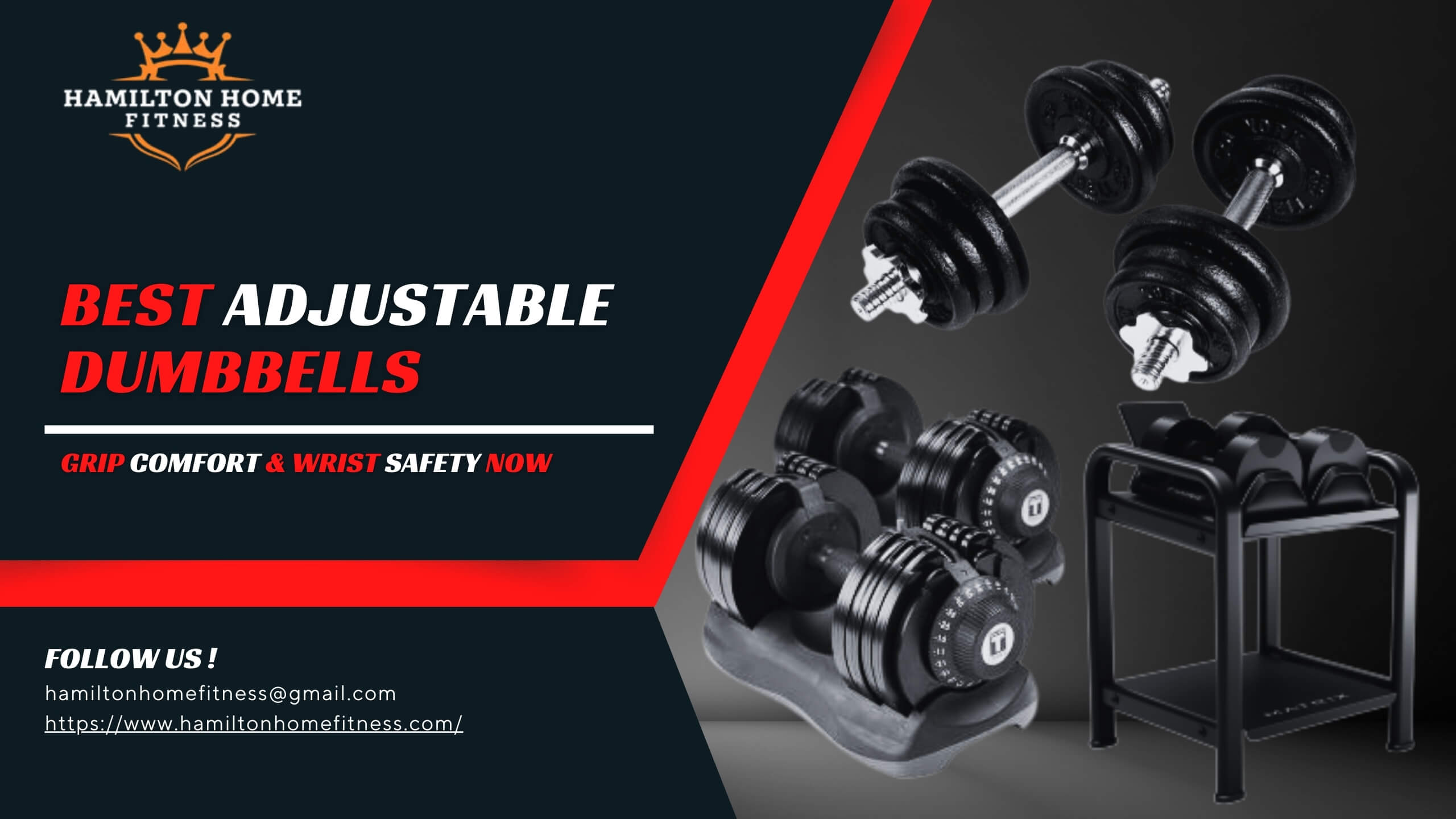
Living in an apartment should not block strong training. The Best adjustable dumbbells let you lift in a small room with less mess. They also help you stay quiet, so you do not annoy neighbors. You can do this in a studio or spare room.
This guide is for home lifters, busy pros, parents, and coaches who train in tight spaces. We focus on what matters in real life: how much space you need, how loud the set can get, and how to protect wood floors. We also cover stand height, because bending to swap weight can hurt your back. We will show when a stand is worth it.
Here is a common pattern. If your dumbbells “click” on rows, it is often a lock that is not fully set. A fast re-seat in the cradle can stop it. You will learn how to pick a quiet design, cut rattle, and store the set in a safe spot. You will also get a late-night plan that works without drops. Think slow reps, soft landings, and a mat under your feet. By the end, you will know what to buy, how to set it up, and how to train hard with less noise.
Best adjustable dumbbells for apartments
The Best adjustable dumbbells for apartments are the ones that fit your space, stay stable, and stay quiet. If they save room but rattle, they’re not “best,” they’re just smaller problems with bigger noise.
Apartment criteria that matter
In a small room, the right choice comes down to footprint, noise, and safety. Use this quick checklist before you buy (or blame your neighbors).
- Compact footprint: the cradle should not sprawl across the floor
- Low noise: fewer loose parts, solid lock feel, minimal “click” on reps
- Storage stability: a secure cradle beats wobble, especially in tight spaces
- Grip comfort: a handle that feels safe reduces slips and clanks
- Weight jumps: smaller jumps help progress without ugly form
- Space safety: enough swing room for rows, presses, and lunges
If you want a simple buying framework, follow How to choose adjustable dumbbells and match the dumbbell design to your room and training style.
Quick-change vs plate-load
Quick-change sets are usually better for small rooms if you do circuits. Plate-load sets can work, but they take more time and create more “parts” to misplace.
- Quick-change: faster for HIIT with dumbbells, cleaner setup, less clutter
- Plate-load: flexible, but slower swaps and more chances for rattle if loose
One pair vs multiple pairs
One pair can absolutely run a full plan if the weight range fits you. I’ve seen people train quietly at night by using one pair, slow tempo, and clean transitions. Couples may prefer a second pair so one person isn’t stuck waiting mid-set.
For progress, check adjustable dumbbells loadable guide and consider adjustable dumbbells: 2.5 vs 5 lb for smoother strength jumps. When you’re ready, start shopping for Best adjustable dumbbells from Hamilton Home Fitness so you can build a minimalist apartment home gym without the clutter.
Quietest picks and rattle fixes
Quiet training comes down to one thing: control. The quietest setups use quiet adjustable dumbbells, a stable cradle, and habits that avoid clanks, drops, and loose parts. If your gear stays locked and your reps stay smooth, your neighbors stay calm.
Which designs stay quietest
The quietest adjustable dumbbells are the ones with a secure lock and minimal plate movement. In apartments, “quiet” usually means low noise dumbbells during rows, presses, and lunges, not just during storage.
Look for these quiet signals:
- Firm lock feel: no half-click or “almost locked” state
- Stable cradle: the base should not rock when you re-rack
- Tight fit parts: less play = less rattle reduction work later
A simple rule: if it feels solid when you pick it up and set it down gently, it tends to stay solid during reps too.
Stop dumbbell rattle
Most rattling comes from one of three issues: the weight is not seated, the lock is not fully engaged, or the cradle is uneven. The fastest fix is a quick “reset” before your set.
Try this quick checklist:
- Re-seat the dumbbell in the cradle
- Lock, then tug-test lightly
- Check the floor under the cradle for wobble
For a step-by-step routine, follow adjustable dumbbells safety checks. and improve handling with adjustable dumbbells grip comfort & safety. A secure grip reduces slips, and fewer slips means fewer loud surprises.
Lift heavy without drops
You can lift heavy without dropping by using controlled eccentric reps and tempo training. The goal is simple: heavy effort, soft impact.
Quiet “drop-proof alternatives” that still hit hard:
- Floor press instead of bench press re-racks
- Slow goblet squats with a 2–3 second lower
- Rows with a pause at the top
If you want apartment-safe strength gear built for clean, stable training, Hamilton Home Fitness adjustable dumbbells are the easiest upgrade path for quiet progress.
Floors, mats, and stand choices
Floors and storage are where apartment training gets real. The right setup keeps your workouts quiet, protects your home, and avoids the “one loud clang” that turns into a neighbor problem.
Do you need rubber mats?
Most people do, especially on hardwood, tile, or thin carpet. A floor mat for weights helps with grip, vibration, and small impacts from re-racking. If you train late, mats also cut the sharp “tap” sound that travels through floors.
A quick rule:
- If you can hear your dumbbells “thunk” when you set them down, you need a mat.
Protecting hardwood floors
Yes, adjustable dumbbells can damage hardwood floors, even if you never drop them. The hidden risk is grit. Dust or sand under the cradle can act like sandpaper.
What I’ve seen work in small apartments:
- Put rubber gym tiles or a dense mat under the cradle area
- Wipe the floor under the cradle weekly
- Keep the cradle away from high-traffic paths so it doesn’t get kicked
If your goal is noise complaints prevention, floor protection is not optional. Quiet training starts under your feet.
Stand vs floor cradle
Stands are worth it when they improve safety and speed without eating your space. Good stand height ergonomics means less bending, cleaner changes, and fewer accidental bumps in tight rooms.
Use this decision rule:
- Choose a vertical storage stand if you do circuits, change weights often, or share the space with others.
- Choose a floor cradle if you need under-bed storage or the stand footprint blocks movement.
In a tight space, “best” means stable, easy to re-rack, and hard to trip over. That’s what keeps training safe and quiet.
Storage and late-night setup
Apartment training works best when your gear has a safe “home” and your routine stays quiet on purpose. This section keeps your setup kid-safe, pet-friendly, and neighbor-friendly without taking over your living room.
Kid- and pet-safe storage
The safest storage is stable, out of walkways, and hard to tip. In tight spaces, a dumbbell left on the floor is a trip hazard and a toe-breaker.
Use this safety checklist:
- Store in a corner, not beside the bed or sofa path
- Keep the cradle from sliding (mat or tiles underneath helps)
- Make weight changes only when the dumbbell is fully seated
- If kids are around, keep the set out of reach or behind a barrier
Real-life note: most “accidents” happen during rushing. The fix is slow re-racks and a consistent storage spot.
Under-bed storage checklist
Yes, you can store adjustable dumbbells under a bed or couch if clearance and stability allow it. The dumbbell should not roll, and the cradle should not wobble.
Before you commit, check:
- Under-bed height clearance (measure first)
- A flat base that will not snag fabric or shift
- A safe pull-out path so you do not drag metal across floors
If you travel or move often, portable adjustable dumbbells can work, but only if they store securely and do not rattle loose in transit.
Late-night training setup
The best late-night setup uses low impact and high control. Think tempo training, soft footwork, and no drops.
Quiet but effective examples:
Slow squats (3 seconds down)
Floor press instead of bench re-racks
Rows with a pause, then a gentle set-down
For long-term peace of mind, read the adjustable dumbbells warranty guide so your minimalist home gym setup stays reliable for years.
People Also Ask
What are the best adjustable dumbbells for apartments?
The best adjustable dumbbells for apartments are the ones that stay stable in the cradle, change weight easily, and keep noise low during reps. If they wobble or rattle, they will feel worse in a small room.
- Choose a compact base that does not sprawl into walk paths.
- Pick a lock system that feels “fully engaged,” not half-set.
- Condition: if you train after 9 PM, prioritize low-rattle designs.
Which adjustable dumbbells are the quietest?
The quietest adjustable dumbbells are designs with secure locking and minimal loose parts that can move during lifts. “Quiet” means less clicking during rows and presses, not just quiet storage.
- A firm lock reduces plate movement and noise.
- A stable cradle prevents re-rack clanks.
- Example: if it clicks on every rep, the fit is usually too loose.
How do I stop adjustable dumbbells from rattling?
To stop rattling, fully seat the dumbbell in the cradle and confirm the lock is engaged before lifting. Most rattle comes from a partial lock or mis-seated plates.
- Re-seat, lock, then do a light tug-test.
- Keep the cradle on a flat surface so it doesn’t rock.
- Condition: if rattle starts mid-set, stop and re-lock.
Do I need rubber mats under adjustable dumbbells?
In most apartments, yes. Rubber mats help protect floors and reduce vibration that travels to neighbors.
- Use a mat under the cradle zone and your stance area.
- Avoid thin foam that compresses and slides.
- Example: hardwood or tile floors benefit the most.
Are stands worth it in a small space?
Stands are worth it if they reduce bending, make changes faster, and keep the weights off the floor. In small rooms, the “worth it” test is whether it improves safety without blocking movement.
- Good stand height helps your back during quick swaps.
- A stand can reduce trip hazards from floor storage.
- Condition: skip it if the stand footprint steals your only lift space.
How much space do adjustable dumbbells need?
You need enough room for the dumbbells plus safe swing space for your movements. The right amount depends on what you do, not just the dumbbell footprint.
- Leave clear space for rows, lunges, and presses.
- Keep the cradle out of walk paths.
- Example condition: if you cannot extend your arms safely, the area is too tight.
What’s the best way to store adjustable dumbbells safely?
The best storage is stable, out of traffic, and secure so the dumbbells can’t roll or tip. Safety matters more in tight spaces with kids or pets.
- Store in a corner, not beside common walk routes.
- Keep the cradle from sliding on smooth floors.
- Condition: never leave a loaded dumbbell loose on the floor.
Can I do a full workout with one pair of dumbbells?
Yes, one adjustable pair can train your full body if the weight range matches your strength. You can progress by adding reps, slowing tempo, or increasing weight.
- Use compound moves: squats, rows, presses.
- Add tempo (like 3 seconds down) when weight jumps feel big.
- Example: a 3-day full-body plan works well with one pair.
Are quick-change dumbbells better for small rooms?
Often, yes. Quick-change dumbbells reduce clutter and keep circuits moving, which is helpful in a compact space.
- Faster swaps help HIIT and short workouts.
- Less “extra gear” means less mess and fewer trip risks.
- Condition: only choose them if the cradle is stable.
How do I lift heavy without dropping dumbbells?
Lift heavy quietly by controlling the lowering phase and choosing moves that don’t require dumping the weight. The goal is hard effort with soft landings.
- Use controlled eccentric reps instead of fast drops.
- Try floor press to avoid noisy re-racks.
- Example: lower for 2–3 seconds to cut impact noise.
What workouts are quiet but effective?
Quiet workouts are effective when you use tempo, pauses, and steady transitions instead of jumping or slamming. You can still get intense without loud impact.
- Slow squats and lunges with pauses.
- Rows and presses with controlled set-downs.
- Condition: keep both feet grounded to reduce thumps.
Will adjustable dumbbells damage hardwood floors?
They can, especially if grit sits under the cradle or if you set them down hard. The good news is basic protection prevents most damage.
- Put rubber tiles or a mat under the cradle.
- Clean under the base weekly to remove grit.
- Example condition: sand-like dust can scratch even without drops.
Are adjustable dumbbells safe in tight spaces?
Yes, if you control your movement path and keep storage tidy. The main risks are swinging into furniture or tripping over the cradle.
- Use moves that keep weights close to your body.
- Keep one clear “lift lane” with no clutter.
- Condition: avoid wide swings if you’re near walls or glass.
Can I keep adjustable dumbbells under a bed or couch?
Sometimes. It works if there’s enough clearance and the dumbbells can’t roll or shift.
- Measure under-bed height before you commit.
- Use a stable cradle so the set doesn’t slide.
- Condition: don’t drag metal across floors during pull-out.
What’s the best setup for late-night training?
The best late-night setup is low impact, low noise, and consistent: mat on the floor, controlled reps, and no drops. Small habits make the biggest difference.
- Train with tempo and gentle re-racks.
- Keep the cradle on a mat to reduce vibration.
- Example condition: after 10 PM, skip jumping moves and stick to controlled strength.
Final Thought
You can lift in an apartment and still keep it calm. The win is clear: pick apartment-safe Best adjustable dumbbells, train quietly, protect your floors, and store them in a safe spot.
Quick decision recap:
- Noise: solid locks, no rattle, soft set-downs
- Space: compact footprint, clear room to move
- Floor: rubber mat or rubber gym tiles under the set
- Storage: stable cradle, off walk paths, kid- and pet-safe
- Style: slow reps, no drops, late-night friendly moves
Next step: set your mat and storage place first, then choose the right set for your routine, and Shop Quality Fitness Gear and Equipment - Hamilton Home Fitness to build a quiet home setup that fits real life.