Authorized:











Lifting Gloves
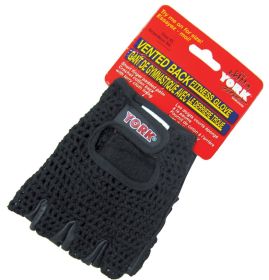

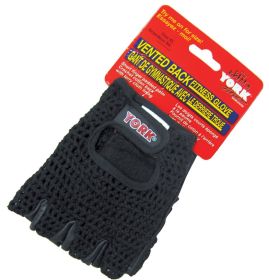


Weight Lifting Gloves for Sale — Built for Bar Work
Torn palms cut training sessions short. Every pair of weight lifting gloves for sale on this page exists to stop that — real leather between your skin and the knurling, a hold that stays put when your hands sweat, and wrist backup on the days you press heavy.
Weight lifting gloves shield your palms from bar friction, steady your hold when hands sweat, and — in wrist-wrap styles — brace the joint under heavy presses. Hamilton Home Fitness stocks York Barbell leather gloves in goatskin, cowhide, and sheepskin, sized S through XL, with vented and wrist-wrap options for every training style.
What Lifting Gloves Actually Do
A lifting glove does three jobs: it takes the friction your skin would otherwise absorb, it keeps sweat from loosening your hold mid-set, and — in wrap-equipped models — it adds support at the wrist. On shared equipment, a glove also puts a barrier between your hands and whatever the last person left on the bar.
Are weight lifting gloves worth it? For most home and gym lifters, yes. If you train several days a week, the protection pays for itself in sessions you finish instead of cutting short. The honest exception: grip-sport athletes and competitive powerlifters often prefer bare hands for maximum bar feel. If that's you, Chalkless grip products manage sweat without covering the palm.
Do lifting gloves prevent calluses? They slow callus buildup by cutting friction, and they keep existing calluses from tearing on high-rep days. No glove eliminates callusing entirely on heavy pulls — anyone claiming otherwise is overselling.
Leather Types, Compared
The hide on the palm is the single biggest choice you'll make, and it's the spec most stores never explain. Each leather trades softness against toughness differently.
| Palm leather | Feel | Built for |
|---|---|---|
| Goatskin | Soft, with high tear strength for its weight | Sweaty hands — comes in a vented-back build |
| Cowhide | Firmest hide, most abrasion-resistant, breaks in with wear | Daily work on knurled steel bars |
| Sheepskin | Softest and most supple, paired with a stretch Lycra back | Comfort-first lifters and long sessions |
Alongside the leather trio, the range includes padded-palm and flex-fit fabric styles for lifters who want extra cushioning on pulls or a lighter, more flexible build.
How to Choose Your Pair
Match the glove to three things: how much you sweat, what you lift most, and how much your wrists complain. Work down this list and one model will pick itself.
- Hands sweat fast? The vented-back goatskin glove moves air across the back of your hand while the hide handles grip.
- Pressing and rowing heavy? The Professional model carries a 2-inch integrated wrist wrap that cinches the joint before big sets.
- Comfort above all? Sheepskin with a Lycra back flexes with your hand instead of against it.
- High-rep dumbbell and cable work? A padded palm spreads pressure across the hand — useful with the dumbbells and free weights you'll pair them with.
- First pair on a budget? The firm-fit cowhide glove is the entry point, and the stiff hide only gets better as it breaks in.
Fit rule: snug across the palm with zero bunching at the crease, and full finger flexion with the glove on. Leather relaxes slightly with wear, so if you sit between sizes, size down.
Do lifting gloves weaken your grip strength? No — the glove itself takes nothing away. What changes is stimulus: if forearm and grip development is a goal, keep some bare-hand accessory work in the week and glove up for volume days.
Found your match? Pick your hide, pick your size, and add it to your cart — the whole decision takes two minutes now that you know what the leathers do.
Key Selection Criteria
✅ Real leather palm — goat, cow, or sheep hide
✅ Snug palm fit with no material bunching
✅ Vented or Lycra back for sweat control
✅ Padded palm option for high-rep work
✅ 2-inch wrist wrap for pressing support
✅ Full finger flexion with the glove on
✅ Sizes S–XL matched to knuckle girth
✅ Stiffer hide for knurled steel bars
✅ Softer hide for comfort-first sessions
✅ Reinforced stitching at stress seams
✅ Easy on and off between sweaty sets
Why Buy From Hamilton Home Fitness
You're buying from a strength-equipment specialist, not a general sporting-goods aisle. Hamilton Home Fitness is based in Tennessee and ships nationwide across the USA, serving home lifters, trainers, and commercial facilities from the same catalog.
Every glove in this collection comes from York Barbell, an American strength name dating back to 1932 — the same brand behind bars and plates in serious gyms for generations. That matters in a category flooded with unbranded imports: these gloves were made by people who make barbells.
Sizing questions before you order? The team handles consultations for everything from a single accessory to a full gym build, so ask.
Lifting Glove FAQs
What size lifting glove should I order?
Measure around your knuckles, excluding the thumb, and match that girth to the S–XL range. Aim for snug, not tight — you should make a full fist without the palm material folding. Between sizes, go smaller, since leather gives slightly with wear.
How do I clean leather lifting gloves?
Spot-clean the leather with a barely damp cloth and mild soap, then air-dry away from direct heat. Never machine-wash or soak leather — it stiffens and cracks. Fabric-backed pairs can be wiped down the same way after sweaty sessions to keep odor from settling in.
How long do lifting gloves last?
It depends on training frequency and hide type. Cowhide resists abrasion longest under daily bar work, while softer hides trade some lifespan for comfort. Replace a pair when the palm wears smooth or the seams start to loosen — a slick palm defeats the purpose.
Are lifting gloves good for beginners?
Yes. New lifters' hands haven't adapted to bar friction yet, so gloves keep early sessions comfortable and consistent. Keep occasional bare-hand sets in the program if building raw grip is a goal, and let the gloves handle your volume work.
Should I get gloves or lifting straps?
They solve different problems. Gloves protect skin and secure your hold on every set; straps bind your wrist to the bar only on maximal pulls where grip gives out before the target muscle. For everyday protection and grip security, gloves are the right first buy.
Do wrist-wrap gloves replace a lifting belt?
No — wraps brace the wrist joint, while weight lifting belts brace your trunk. They support different links in the chain, which is why heavy-day lifters often wear both. Wrap gloves are the right call when pressing loads make your wrists fold back.
Secure Payments