Authorized:











Lifting Belts
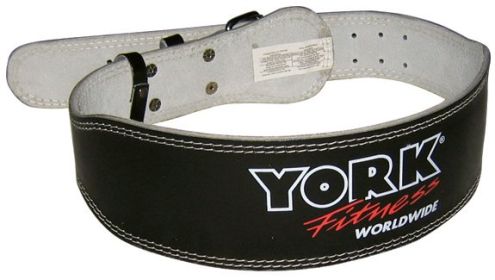

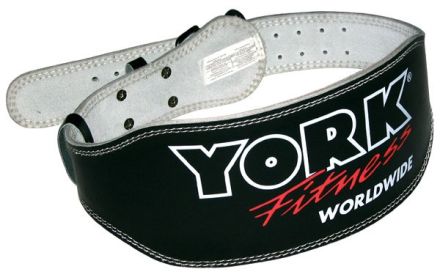

The best weightlifting belt is the one that matches your lifts, your body, and how you train. Powerlifters need a rigid leather lever or prong belt for maximum support, while CrossFit and Olympic lifters often prefer a thinner, more flexible belt. Fit and thickness matter more than brand.
A good belt does one job well: it gives your core something to brace against so you stay stable under heavy load. Worn correctly, it raises intra-abdominal pressure during squats, deadlifts, and overhead presses, which helps you keep a tight, safe position on your hardest sets. It is a training tool, not a back brace, and it works best when your form is already solid.
Instead of pushing one house-brand belt, we help you pick the right one for your training. Ready to shop? Browse the full lifting belt selection and match a belt to your goals below.
How to choose the right belt
Start with how you actually train, then work down to material, buckle, and fit. Those four choices decide whether a belt feels like support or like a nuisance you leave in your gym bag.
How do I know what size lifting belt to get? Measure around your waist at the height where the belt will sit, usually near your navel, not your pant size. Belt sizing and pant sizing rarely match, so a tape measure and the brand's size chart are the only reliable guide.
Material sets the ceiling for support. Leather is the stiffest option and holds a rigid brace for heavy barbell work, though it needs a short break-in period before it softens to your body. Nylon and self-locking belts flex more, feel comfortable sooner, and suit faster, more dynamic lifting.
Thickness controls rigidity. A 10mm belt suits most lifters and breaks in faster, while a 13mm belt gives the most support for near-maximal squats and deadlifts and is favored by serious powerlifters. Width matters too: a uniform 4-inch belt spreads pressure evenly around your core, which is why it is the most common choice.
The buckle decides how you get in and out. A lever locks to one preset tightness and snaps on fast, which is ideal for repeated heavy singles. A prong buckle takes a moment longer but lets you fine-tune the fit hole by hole as your body or the lift changes.
How tight should a lifting belt be? Snug enough to brace hard against and loose enough to take a full breath into your belly. A rough guide: you should be able to slide a flat hand between the belt and your stomach before you brace, then feel firm pressure once you push out against it.
| Belt type | Support level | On/off speed | Best suited for |
|---|---|---|---|
| Leather lever | Highest, very rigid | Fast once set | Powerlifting, heavy squats and deadlifts |
| Leather prong | High, rigid | Moderate | Strength training with easy micro-adjustment |
| Nylon / self-locking | Moderate, flexible | Very fast | CrossFit, Olympic lifts, general training |
Match the belt to your training
Pick the belt that fits your discipline, not the one a stronger lifter uses. The right match changes how supported and confident you feel under the bar.
Powerlifters and heavy strength lifters get the most from a stiff 10mm or 13mm leather belt with a lever or prong buckle. The rigidity reinforces a hard brace on grinding squats and deadlifts, and a suede-lined interior helps it stay put instead of sliding up your ribs.
CrossFit athletes and Olympic lifters usually want less bulk. A nylon or thinner leather belt bends with climbs, stretches, and mixed-modal work, so you keep support without fighting the belt through fast movements. Many general gym-goers land here too, since a flexible belt covers a wider range of training.
Facilities and studios have a different priority: durability across many users and lifts. If you are outfitting a space rather than a single gym bag, stock a small range of thicknesses so members can match the belt to their own strength level.
Do beginners need a weightlifting belt? Not on day one. Focus first on learning to brace and on solid technique, then add a belt once your working weights climb into the heavy range, typically when your last few reps become a real grind. A belt supports good bracing; it does not replace it.
When should you wear a lifting belt? On your heaviest compound sets, not everything. Belt up for near-maximal squats, deadlifts, and overhead presses, and skip it for warm-ups, light accessory work, and core training so your midsection still does its own job. If you are lifting through back pain or recovering from injury, get a professional's guidance before relying on a belt.
Use these criteria to compare any belt before you buy:
✅ Match belt type to your main lifts
✅ Leather for max rigidity and support
✅ Nylon for comfort and mobility
✅ 10mm suits most lifters starting out
✅ 13mm for heavy powerlifting support
✅ Lever buckle for fast, repeatable tightness
✅ Prong buckle for simple micro-adjustment
✅ 4-inch width for even core pressure
✅ Uniform width if you compete raw
✅ Measure your waist, not your pants size
✅ Suede lining reduces slip and dig-in
✅ Buy for training style, not just price
Why buy from Hamilton Home Fitness
You get selection and honest guidance instead of a single belt someone is trying to sell you. As an authorized dealer carrying over 40 trusted strength brands, Hamilton Home Fitness curates commercial-quality gear and ships nationwide to all 50 states from our Tennessee base.
Because we are not locked to one house line, you can match a belt to your training rather than force your training around a belt. That same approach runs across our power racks and cages and barbells and free weights, where the right belt earns its keep on heavy squats and pulls.
A belt also pairs naturally with the rest of your lifting kit. Add wrist support for heavy pressing, lifting gloves for grip comfort, or round out a functional setup with cross-training gloves.
Outfitting a full home gym or a commercial floor? Book a gym design consultation and let our team help you plan the equipment and accessories together. Have a belt in mind already? Add it to your cart and check out with confidence.
Lifting belt FAQs
Leather or nylon: which belt is better? Neither is universally better; it depends on your lifting. Leather gives more rigid support for heavy barbell work, while nylon flexes more and feels comfortable across dynamic training like CrossFit and Olympic lifts.
Should I get a 10mm or 13mm belt? A 10mm belt works well for most lifters and breaks in faster. Choose 13mm only if you regularly train near-maximal squats and deadlifts and want the stiffest possible brace.
Are these belts allowed in powerlifting competition? Approval depends on the specific belt. Federations like the IPF and USAPL set limits on belt width and thickness, so if you plan to compete, confirm the individual product meets your federation's rules before buying.
How do I break in a stiff leather belt? Wear it during training and flex it by hand between sets. New leather feels rigid and can be tricky to unbuckle at first, but it softens to your body over the first several sessions while keeping its support.
Can one belt handle squats, deadlifts, and CrossFit? A moderate 10mm belt, or a flexible nylon belt, is the most versatile all-rounder. Dedicated powerlifters often add a stiffer 13mm belt for their heaviest days, but most lifters do fine with one well-chosen belt.
Do you ship weightlifting belts nationwide? Yes. Hamilton Home Fitness ships to all 50 US states from Tennessee. Shipping costs and timelines vary by item and destination, so check the product page and the details shown at checkout.
Find your belt today
Choose the belt that fits your lifts, your size, and your goals, then train with support you can trust. Browse the weightlifting belt selection now and order with nationwide shipping and a real team behind your purchase.
Secure Payments