
Fertility is an important aspect of reproductive health, and many women today seek a better understanding of their fertility potential. One of the key indicators used to evaluate ovarian reserve is Anti-Müllerian Hormone (AMH). This hormone provides valuable insight into the number of eggs remaining in a woman’s ovaries. When AMH levels are lower than expected, it may indicate a reduced ovarian reserve. While hearing about low AMH can sometimes feel concerning, it does not mean that pregnancy is impossible. With proper guidance from experts at a Best Maternity Hospital, women can explore various options and take positive steps toward achieving their fertility goals.
What Is AMH and Why Is It Important?
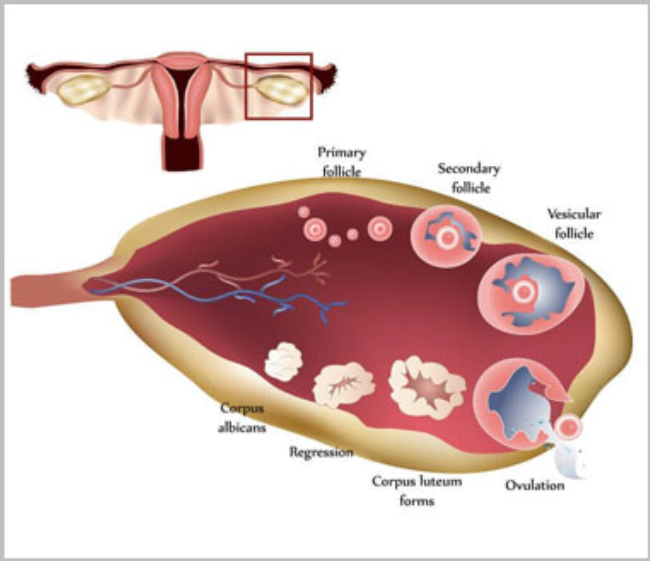
Anti-Müllerian Hormone is produced by small follicles in the ovaries and plays a crucial role in assessing a woman’s ovarian reserve. The AMH test is commonly used by fertility specialists to estimate how many eggs a woman may have remaining.
Unlike some other fertility hormones that fluctuate during the menstrual cycle, AMH levels remain relatively stable and can be tested at almost any time. This makes it a reliable marker for evaluating fertility potential.
AMH levels naturally decline as women age, which is why fertility typically decreases over time. However, some women may experience lower AMH levels earlier than expected due to genetic factors, medical conditions, or lifestyle influences.
Understanding AMH levels helps doctors recommend appropriate fertility planning and treatment options for women who are trying to conceive.
What Does Low AMH Mean?
Low AMH generally indicates that the number of eggs remaining in the ovaries may be lower than average for a woman’s age. This condition is often referred to as diminished ovarian reserve.
However, it is important to understand that AMH does not directly measure egg quality or the ability to become pregnant naturally. Many women with low AMH levels have successfully conceived with proper fertility care and treatment.
Consulting an experienced IVF Doctor can help women better understand their test results and explore suitable treatment strategies. With the help of modern reproductive technologies, many couples can overcome fertility challenges and move forward with confidence.
Causes of Low AMH Levels
Several factors can contribute to low AMH levels. Age remains one of the most common reasons, as ovarian reserve naturally decreases over time. However, other factors may also affect AMH levels.
Genetic predisposition can influence ovarian reserve in some women, leading to lower AMH levels even at a younger age. Certain medical conditions, such as endometriosis or autoimmune disorders, may also impact ovarian health.
Previous ovarian surgeries or medical treatments like chemotherapy can sometimes reduce the number of functioning follicles in the ovaries. Lifestyle factors, including smoking, chronic stress, and poor nutrition, may also influence overall reproductive health.
Understanding the underlying cause of low AMH helps fertility specialists develop a personalized plan that supports a woman’s reproductive goals.
Symptoms and Diagnosis
Low AMH levels typically do not cause noticeable physical symptoms. Many women discover their AMH levels through fertility testing when they begin planning for pregnancy.
Doctors usually recommend an AMH blood test along with other fertility evaluations such as ultrasound scans and hormone testing. These tests help assess ovarian reserve, menstrual health, and overall reproductive function.
Ultrasound imaging may also be used to count antral follicles in the ovaries, which provides additional information about egg reserve. By combining these diagnostic tools, fertility specialists can develop a clearer understanding of a patient’s fertility potential.
Early testing is especially helpful for women who are planning to delay pregnancy or who have a family history of early menopause.
Fertility Options for Women With Low AMH
Although low AMH may indicate reduced ovarian reserve, many effective fertility treatments are available today. Modern reproductive medicine offers several options that help women improve their chances of conception.
Doctors may recommend lifestyle improvements, nutritional support, and hormonal treatments to support ovarian health. In some cases, assisted reproductive techniques such as ovulation induction or intrauterine insemination (IUI) may be considered.
In vitro fertilization (IVF) is often one of the most effective treatments for women with low AMH. IVF allows doctors to carefully monitor ovarian stimulation and retrieve eggs for fertilization in a controlled laboratory environment.
Even when ovarian reserve is lower, fertility specialists can customize treatment protocols to maximize the chances of success.
Emotional Support During the Fertility Journey
Receiving a diagnosis of low AMH can sometimes feel emotionally challenging for individuals and couples who are planning to start a family. However, it is important to remember that fertility journeys are unique, and many solutions are available.
Support from healthcare professionals, counselors, and fertility specialists can make a significant difference in helping patients stay positive and focused. Open communication with medical experts allows couples to understand their options and make informed decisions.
Maintaining a healthy lifestyle, practicing stress management, and staying informed about fertility treatments can also contribute to a more confident and hopeful approach.
The Importance of Early Fertility Planning
Early fertility evaluation can be beneficial for women who want to understand their reproductive health. AMH testing provides valuable insight that can help guide future family planning decisions.
Women with lower AMH levels may choose to explore options such as fertility preservation or assisted reproductive treatments sooner rather than later. Early consultation with fertility experts allows for better planning and improved outcomes.
With medical advancements and personalized care, many women with low AMH continue to achieve successful pregnancies.
Conclusion
Low AMH levels can be an important indicator of ovarian reserve, but they do not define a woman’s ability to conceive. Modern fertility medicine has made remarkable progress in helping women overcome reproductive challenges and pursue their dream of parenthood.
By seeking guidance from experienced specialists, understanding fertility options, and maintaining a positive outlook, women can navigate their fertility journey with confidence. With the right support, expert care, and timely treatment, many individuals with low AMH can still achieve successful and fulfilling pregnancy outcomes.
(FAQs)
What does low AMH mean in fertility testing?
Low AMH indicates that the ovarian reserve, or the number of remaining eggs in the ovaries, may be lower than average for a woman’s age. However, it does not necessarily mean that pregnancy is impossible. Many women with low AMH can still conceive with proper medical guidance.
Can I get pregnant naturally with low AMH?
Yes, a natural pregnancy is still possible with low AMH. AMH mainly reflects the quantity of eggs rather than their quality. Consulting an experienced IVF Doctor can help evaluate your overall fertility and recommend the best approach for conception.
What are the common causes of low AMH levels?
Low AMH can occur due to natural aging, genetic factors, certain medical conditions, ovarian surgeries, or treatments such as chemotherapy. Lifestyle factors like smoking and long-term stress may also influence ovarian health.
How is low AMH diagnosed?
Low AMH is diagnosed through a blood test that measures Anti-Müllerian Hormone levels. Doctors may also perform additional tests such as ultrasound scans and hormone evaluations to understand a patient’s fertility status more accurately.