Introduction
The power squat machine is simple and powerful. It helps you lift heavy, stay safe, and get real results. At Hamilton Home Fitness we test gear with care. We pick what works in real gyms and homes. This guide is built from that hands-on work.
You will learn how the machine works. We show step-by-step setup and clear foot cues. You get programs for strength, size, and rehab. We explain when to use tempo and when to pull back. We cover how it stacks up to barbell, Smith, and hack squats. We give a buying checklist and a care plan. Each part is short and useful. Each tip is easy to try.
This is for people who value steady gains and safe moves. It is for coaches, rehab pros, gym owners, and home lifters. It is for you. I share what I have seen work again and again. I write with care and plain truth. We guide you step by step and show you what to avoid. Our aim is steady progress and health. Hamilton Home Fitness stands behind every recommendation. Train kind, train smart.
Power Squat Machine Explained
The power squat machine is a simple way to squat with control. It gives a fixed path and a safe frame. That makes heavy work less scary and more steady. I speak as someone who has seen many lifters gain strength and heal from injury with this tool. The machine helps you train long and well.
Core Components & Variants

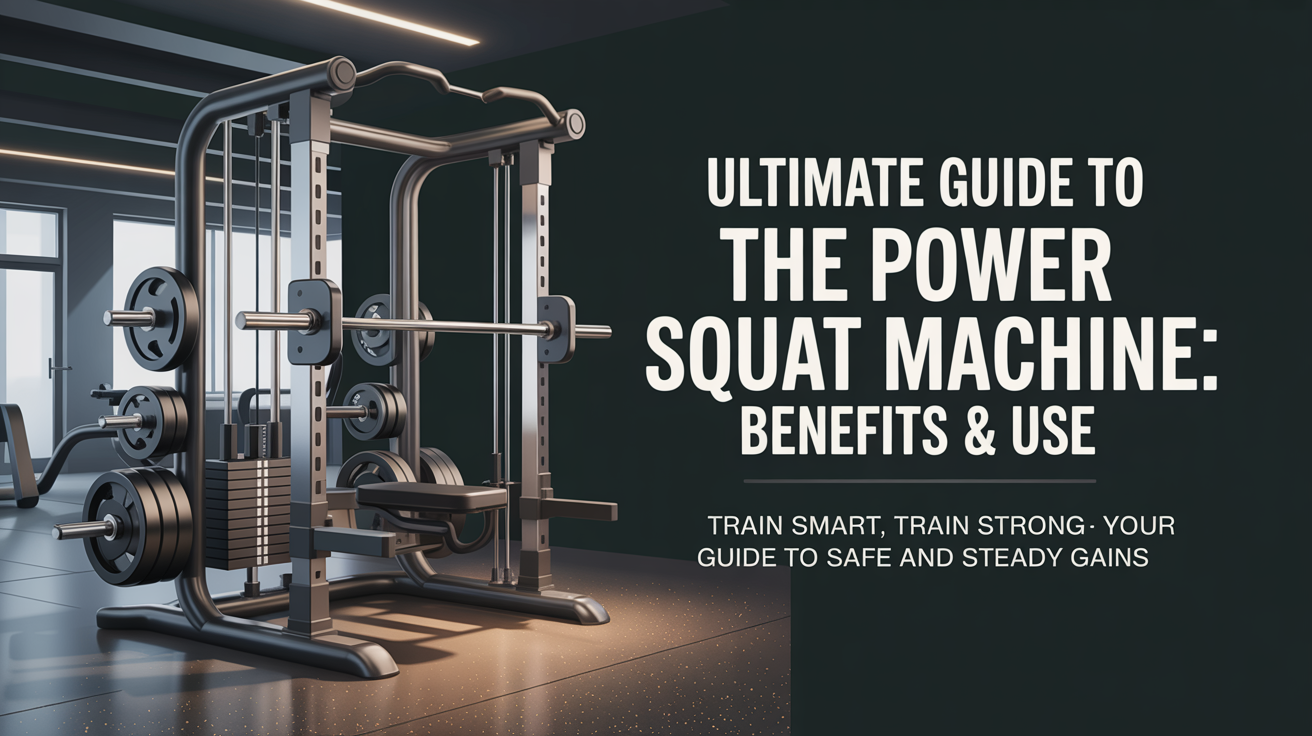
A power squat has a foot platform, a sled or carriage, guide rails, and a load system. The load is plate-loaded on some machines. Other models use a selectorized stack. Safety stops and an adjustable platform are common. Commercial sleds are built big and tough. Home models are more compact and neat. Each variant feels a bit different, but they share the same aim: safe, repeatable squats.
How It Works
You stand on the platform and move the carriage up and down. The guide rails keep the path straight. Safety stops limit depth. The machine lowers the need for balance. That lets you load the legs more and focus on power and size. It also makes tempo work and eccentric control easy. Use short, steady reps for strength. Use slower reps for muscle growth and rehab.
Who Should Use It?
Beginners like the guided path because it cuts complexity. Tall lifters find it kinder on the spine. Rehab patients gain a safe, measured load with stops. Coaches and gym owners value its repeatability for groups. Experienced lifters use it for volume and heavy work without extra fall risk. If you want steady progress and less fear, this machine will help.
Benefits & Muscles Trained
The power squat machine gives clear, useful gains. It makes heavy work safer. It lets you train with steady form and repeatable load. That builds strength, size, and confidence. It also helps people return from injury and keeps older adults strong. The machine focuses force where you want it. That makes training more precise and less risky.
Strength & Hypertrophy Gains

Use the machine to lift heavy without fighting balance. This lets you add plates and load the legs directly. For strength, do heavier sets with low reps and full effort. For size, use moderate weight, more reps, and slow eccentrics. The fixed path keeps each rep honest. That makes progress clearer and easier to track.
Rehab & Special Populations
Clinicians like the machine for rehab. It allows partial range of motion and safe progressions. Patients can rebuild quad strength with low joint strain. Seniors find it steady and confidence-boosting. Tall lifters often feel less strain in the lower back. Always follow a therapist’s plan for post-op or injury work.
Biomechanics & EMG Insights
Muscle focus shifts with stance and platform angle. A narrow, forward stance ups quad work. A wider, angled stance brings the glutes into play. Researchers use EMG to show these patterns. Coaches use that data to tune foot placement and load. Small changes can make a big difference in which muscles grow and strengthen.
This machine gives clear feedback. It hands you control. Use it to target muscles, protect joints, and build lasting strength.
Setup, Foot Placement & Depth
Good setup is the quiet work that keeps you safe and makes every rep count. Take time to tune the machine to your body. Small fixes now save pain and wasted effort later. Test settings with a light load and note them for next time.
Adjust Safety Stops & Platform

Set safety stops so the lowest point still lets you push out of the hole. Start one notch higher than your deepest safe depth. Adjust the foot platform so your knees travel over toes in a natural line. For tall lifters, move the platform or carriage so hips and knees feel normal. Always test with an empty sled or low weight first.
Foot Placement & Stance Cues
Place feet so pressure sits over mid-foot. Track knees toward your toes on descent. Narrow stance = more quad focus. Wider stance and toes turned out = more glute work. Make small changes. Keep a log of stance, platform position, and the load. That helps repeat what works.
Depth, Tempo & Common Errors
Choose depth by goal and safety. Full depth helps mobility and size when safe. Partial depth fits rehab and sport needs. Use slow eccentrics to build control. Breathe and brace before each rep. Common errors: knees caving in, torso pitching too far, and uncontrolled depth. Fix these by lowering the load, cueing knee tracking, and tightening the core. If pain starts, stop and reassess with a coach or clinician.
A careful setup and clear cues give you repeatable reps and steady growth. Take notes, test, and tune. Train with intent and patience.
Program, Compare & Buy
This section ties training plans to real choices. It helps you program the machine with purpose. It also shows how the machine stacks up to free weights. And it guides your buying and care decisions so your gear lasts and serves you well.
Programming & Tempo Options

For strength, use heavy loads and low reps. Aim for three to six reps per set. Do three to six sets and rest well between sets. For muscle growth, choose six to twelve reps, three to five sets, and slower eccentrics. Use a 2–3 second lowering phase to increase tension. For rehab, start with a shallow range and light load. Track progress by load, not just reps. Write down tempo, foot position, and stop settings. Repeatable records make progress steady and safe.
Barbell vs Machine Comparison
Barbells build balance and core stability. Machines give repeatable mechanics and safety. Use barbells to teach real-world lifting skills. Use machines to add volume, lock in technique, and reduce risk. Coaches combine both. Start with machines to build strength, then mix in barbell work for transfer. If space or skill is limited, a machine delivers reliable gains with less coaching time.
Buying Guide & Maintenance
Pick plate-loaded models for heavy commercial use. Choose selectorized models for compact home setups. Check footprint, platform adjustability, and warranty length. Ask about service and spare parts. Expect monthly lubrication of rails and quarterly checks of bearings and bolts. Keep a log of maintenance. Inspect used machines for rail wear and carriage play. Buy what fits your space and your plan, not what looks the toughest. A well-maintained machine rewards you with years of safe progress.
Final Thought
The power squat machine is more than a tool. It is a steady hand that helps you lift with care. Used well, it keeps joints safe, builds real strength, and honors slow, steady progress. This guide shows the why, the how, and the right steps to level up without risk.
At Hamilton Home Fitness we believe training should feel trustworthy and true. We test gear, teach clear setup, and back every tip with plain sense. If you want a machine that fits your space, your goals, and your health, start with simple choices: set safety stops, log your stance, and add weight in small steps. For tailored help, Hamilton Home Fitness can demo machines, set them up, and keep them running so you train with calm confidence. Train kind, train smart, and let steady work become your strongest habit.