Authorized:











Tuff Stuff Model CCD-347 Chin / Dip / VKR / Ab Crunch / Push-Up Tower
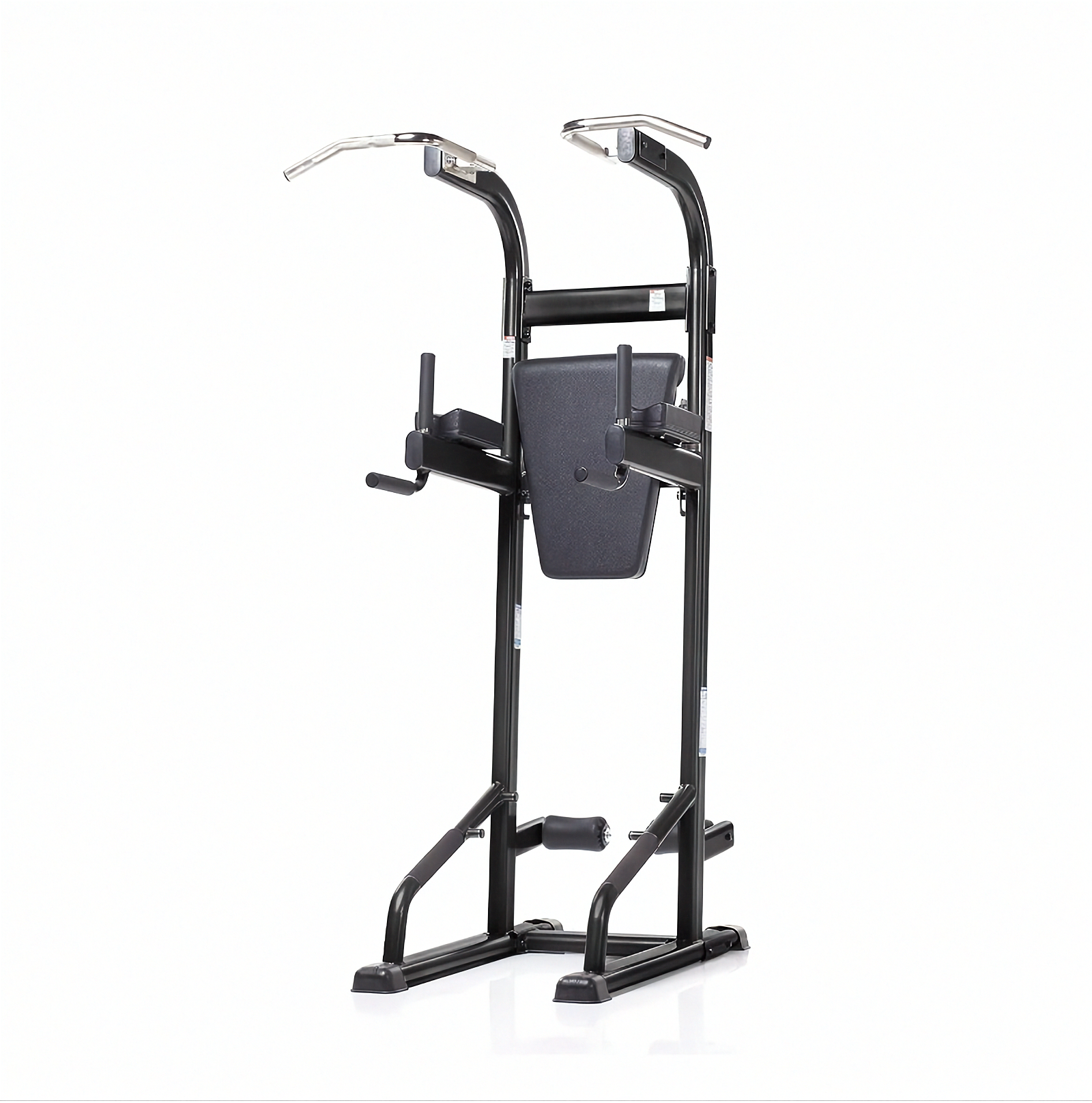
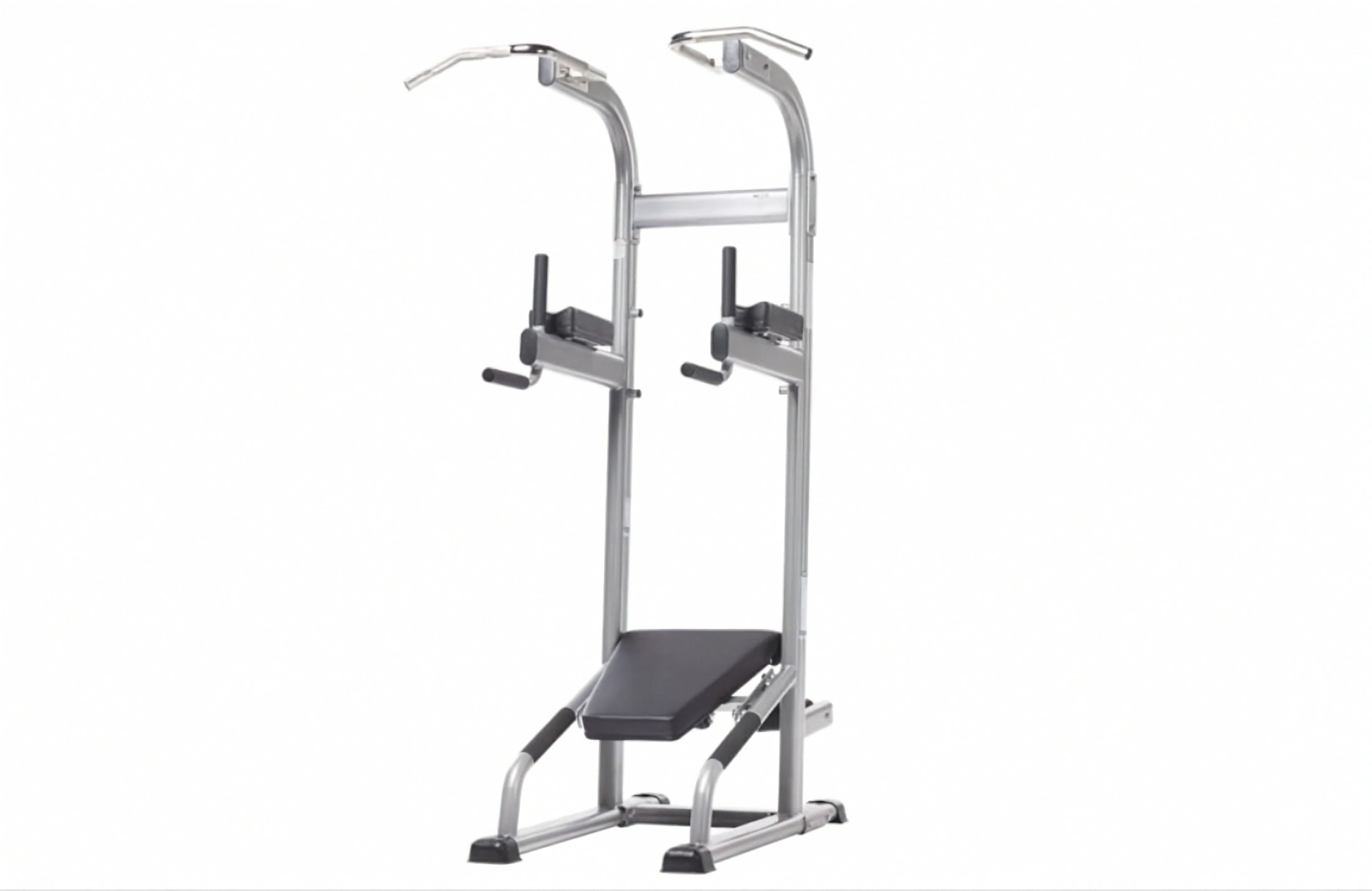
Tuff Stuff Power Tower CCD-347: Chin-Up, Dip, and Core Station
The Tuff Stuff power tower CCD-347 is a bodyweight training station that puts pulling, pushing, and core work on a single frame. It suits home gyms, garage setups, and small training studios that want one piece to cover what would otherwise take a pull-up bar, a dip stand, and a crunch board.
The numbers buyers check first:
| Attribute | Value |
|---|---|
| Price | $1,142.00 |
| Model | CCD-347 |
| Max weight | 400 lb |
| Dimensions | 44 × 45 × 84 in |
| Weight | 175 lb |
What Can You Train on the CCD-347?
What exercises can you do on a power tower? The CCD-347 handles 5 exercises: chin-ups, dips, vertical knee raises, ab crunches, and push-ups. Chin-ups work the lats, upper back, and biceps, while dips and push-ups load the chest, shoulders, and triceps.
What does VKR stand for? It is catalog shorthand for the vertical knee raise. You support your body upright on your arms and draw your knees toward your chest, which trains the abs and hip flexors with less swing than a hanging raise.
How Do You Progress on the CCD-347?
Progress on this tower comes from grip changes first and added load second. The bar gives you four hand positions, and each one shifts where a pull lands.
Choose the wide grip, palms away, to bias the lats, or the reverse grip, palms toward you, to bring in more biceps. The neutral and narrow positions sit between those two, and rotating all four across the week spreads stress over different joint angles.
Once bodyweight sets stop challenging you, a vest from our weighted vests and body weights range adds resistance to chin-ups and dips without changing the setup. If you are returning from a shoulder, elbow, or back injury, clear hanging and dip work with your doctor or physical therapist first.
Key Features of the Tuff Stuff Power Tower
Each build detail pays you back in daily use:
✅ Knurled texture keeps hold through sweaty sets
✅ Plated bar surface resists sweat corrosion.
✅ Pad braces your back for knee raises
✅ Same pad converts into a crunch board
✅ Frame weight helps the tower stay planted.
✅ No plates to load or rack between sets
✅ No cables or pulleys to maintain
✅ One footprint to plan, mat, and wipe down
✅ Grip widths suit lifters of different builds.
✅ Quiet sessions with no clanging weight stack
CCD-347 Full Specifications
Quote model CCD-347 when you call or order, and compare it with the rest of the Tuff Stuff gym equipment lineup on the brand page.
| Attribute | Value |
|---|---|
| Brand and line | Tuff Stuff Evolution |
| Pull-up bar | Knurled nickel-plated multi-grip |
| Grip options | Wide, narrow, reverse & neutral |
| Support pad | Dual-function VKR / ab crunch pad |
Will the CCD-347 Fit Your Room?
How much ceiling height does a power tower need? More than the tower itself: you need its tallest dimension plus enough room for your head to clear the bar at the top of each chin-up. Taller lifters need a bigger margin, so measure with the tallest regular user in mind.
Then confirm three more points before checkout:
- Beams, lights, or ceiling fans above the bar
- Open the floor around the base to step in and out
- Doorways, halls, and stairs on the delivery route
If the space comes up short overhead, a VKR and dip station without an overhead bar keeps knee raises and dips in a lower frame.
Once the room checks out, add the CCD-347 to your cart, or call 423-458-2453 for freight and delivery details to your address. Planning a full training space? Book a gym design session and get every station placed around your real measurements.
Who Should Buy This Power Tower?
Bodyweight-first trainees get the most from it, especially these buyers:
- Home lifters moving past a doorway bar
- Studios running bodyweight circuits
- Garage gyms adding dips and core work
- Coaches teaching pull-up progressions
Look elsewhere if one of these describes you, because a power rack or cage or a simpler station may serve you better:
- Lifters whose priority is heavy barbell work
- Shoppers who want the lowest-priced tower
- Pairs needing knee raises and crunches at once
The max weight rating has to cover your body weight plus any vest or belt you add, not your body weight alone.
Which Alternative or Pairing Fits You?
Choose by what you will actually train and who trains with you.
If you only need knee raises, dips, and pull-ups, the Body-Solid GVKR82B covers those three for less money, though it gives up push-ups and crunches.
If you run a training studio, place the CCD-347 beside a cable machine such as the Tuff Stuff MFT-2700 dual-stack trainer, so one client works the tower while another runs cable work.
Tuff Stuff Power Tower FAQs
Is a power tower worth it? Yes, if you train pull-ups, dips, or hanging core work at least once a week. The value comes from consistency: a station that is always set up removes the friction that stalls doorway-bar routines, while a tower nobody uses becomes an expensive coat rack.
Is a power tower good for abs? Yes, for training them. Vertical knee raises and crunches load the abdominal muscles directly, and you can progress from bent knees to straight legs as you get stronger. Visible abs depend on overall body fat, which no single exercise trims from one spot.
Power tower vs. pull-up bar: which should you buy? Pick a pull-up bar if vertical pulling is all you train and you have a solid doorframe or wall to mount it. A tower adds dips, knee raises, and push-ups on its own footprint, which costs floor space a bar never claims. Our pull-up bars and stations cover the mounted route.
Can you put a power tower on carpet? Yes, on firm, low-pile carpet over a level subfloor, though a hard floor or rubber gym flooring keeps any tower steadier. Thick padding lets the base settle unevenly, so check that it sits flat and does not rock before your first hanging set.
Can you use a power tower if you can't do a pull-up yet? Yes. Start with knee raises, push-ups, and slow lowering reps from the top of the bar, then loop one of our resistance bands over the bar to take part of your weight on full pull-ups. Switch to a lighter band as you get stronger until you finish reps unassisted.
Where can I buy a Tuff Stuff power tower? From an authorized dealer, since Tuff Stuff sells through retailers rather than directly to home buyers. Hamilton Home Fitness is an authorized dealer for BodyKore, the company behind Tuff Stuff's relaunch, and stocks the CCD-347 with online checkout right here.
Order Your Tuff Stuff Power Tower
Order the Tuff Stuff power tower today and make your next workout the first one on it. Want the current warranty terms first? Call our team, and we will confirm them before you buy.
Hamilton Home Fitness ships from Tennessee to all 50 states, so your tower reaches you wherever you train.
Secure Payments