
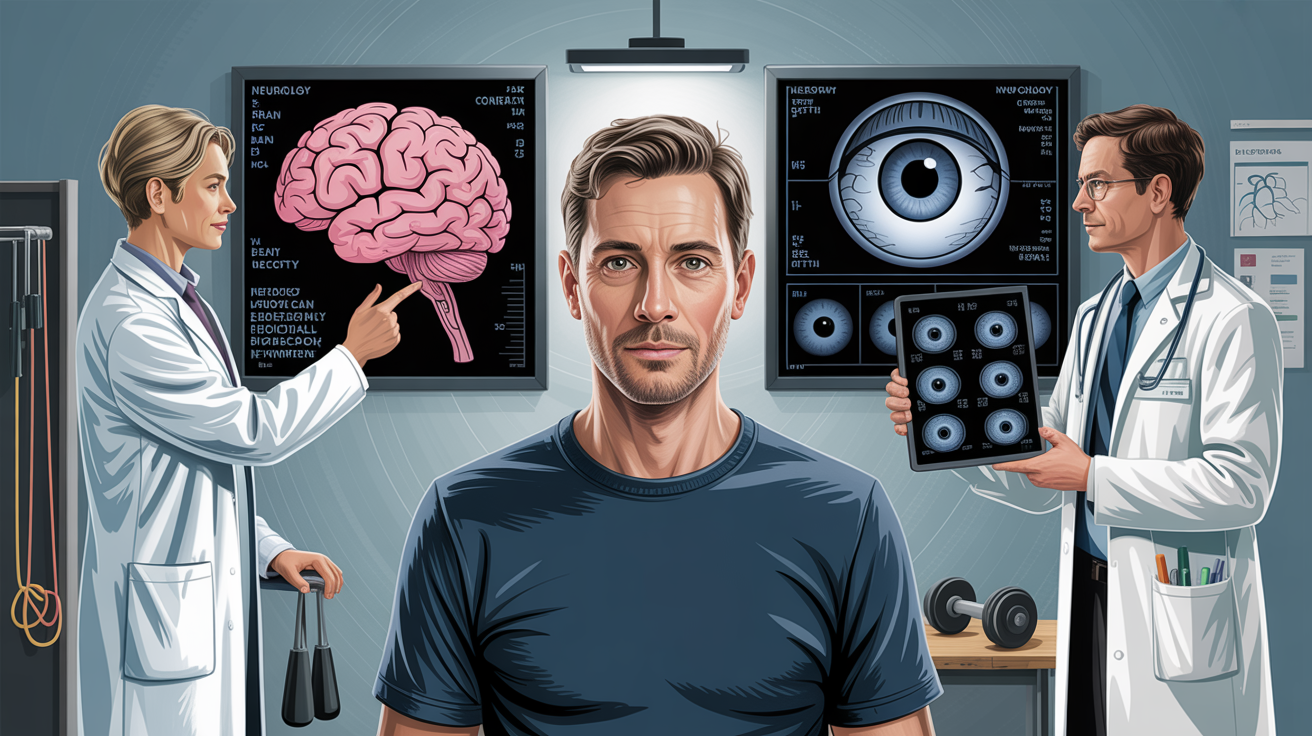
In today’s rapidly evolving world, a strong link between the brain and the eyes is often overlooked. When patients seek care at a Neurosurgeon or an Eye Hospital, their concerns may seem independent, one may be dealing with neurological disorders affecting the brain, while the other might be seeking solutions for deteriorating vision. However, these two systems are intricately connected, and understanding this relationship can lead to more effective treatment approaches. The brain controls the visual system, and any changes in the brain can directly affect how we see the world.
Understanding the Brain’s Role in Vision
The human brain and the eyes work together in a delicate and complex partnership to interpret the visual information we receive from our surroundings. The eyes collect visual stimuli and send this information to the brain’s occipital lobe, which processes it, allowing us to perceive color, movement, depth, and shape. However, when the brain is affected by neurological conditions, it can lead to disturbances in vision.
Neurological diseases like stroke, brain tumors, or traumatic brain injuries (TBIs) can result in various visual problems, such as double vision, blurred vision, or even partial or complete vision loss. In some cases, the brain may have trouble interpreting visual information, leading to a condition known as visual agnosia, where the person cannot recognize familiar objects, despite their eyes functioning correctly.
Understanding how these conditions affect the brain’s visual pathways is crucial for both neurologists and ophthalmologists, as their collaborative treatment plans can provide the best outcome for patients with overlapping neurological and visual issues.
Neurological Disorders and Their Impact on Vision
A variety of neurological disorders can directly impact vision, often making diagnosis and treatment a multidisciplinary effort involving both neurologists and ophthalmologists.
Stroke and Vision: One of the most common neurological events that affect vision is a stroke. When a stroke affects the visual pathways in the brain, it can result in hemianopia, a condition where a person loses vision in one half of their visual field. This can make it difficult to navigate through daily life, as individuals may not be able to see objects or people on one side.
Multiple Sclerosis (MS) and Optic Neuritis: In MS, the body’s immune system mistakenly attacks the protective covering of nerve fibers, including those involved in vision. Optic neuritis, inflammation of the optic nerve, is a common symptom of MS and can cause sudden vision loss or blurry vision in one eye. This condition requires immediate medical attention and treatment to prevent further damage.
Brain Tumors and Visual Disturbances: Brain tumors, especially those located near the optic nerves or the occipital lobe, can result in vision loss or double vision. Tumors in the brain can press against these vital structures, affecting the transmission of visual information. A neurosurgeon often plays a central role in diagnosing and treating the underlying tumor, while an eye hospital may provide specialized care for any visual disturbances caused by the tumor.
Traumatic Brain Injuries and Post-Traumatic Vision Syndrome: Traumatic brain injuries can cause long-lasting effects on vision. One of the most common issues after a head injury is post-traumatic vision syndrome, which can manifest as blurred vision, sensitivity to light, and difficulty focusing. Patients often find that their vision may not improve unless the underlying neurological issues are addressed.
These examples highlight the need for integrated care between neurology and ophthalmology, as each field brings crucial expertise to manage and treat complex cases where both the brain and eyes are involved.
The Role of Exercise in Neurological and Eye Health
While treatments for neurological and visual issues are often medical, the role of physical activity, especially strength training, cannot be underestimated in the recovery process. According to recent research, engaging in resistance training exercises can help rewire the brain, enhancing neuroplasticity, which is the brain’s ability to reorganize itself by forming new neural connections.
This process is particularly important for patients recovering from neurological conditions such as stroke or traumatic brain injury. Strength training helps stimulate brain regions associated with motor function and vision, improving cognitive function, balance, and, importantly, visual coordination.
Research shows that strength training can improve visual processing and hand-eye coordination, both of which are vital for everyday activities like driving, reading, or recognizing faces. By improving the connection between the brain and the eyes, exercise can support overall visual function, offering a complementary approach to traditional medical treatments provided by neurosurgeons and eye specialists.
Strength Training and the Brain: A New Approach to Recovery
As discussed in a blog titled How Strength Training Rewires the Brain: A Neurologic Perspective on Resistance and Recovery, strength training doesn’t just benefit muscles, it also has a profound impact on the brain. By promoting neuroplasticity, strength training encourages the brain to form new pathways that can help restore lost functions after a neurological event. This could be incredibly beneficial for patients who have suffered from strokes or brain injuries that affect vision.
One of the most interesting findings from research on strength training and neuroplasticity is the impact it can have on visual processing. When patients engage in resistance exercises, such as lifting weights or performing squats, the increased blood flow and neural activation help enhance cognitive function, including visual perception. This can be particularly beneficial for patients with neurological impairments that affect their ability to process visual stimuli correctly.
Incorporating strength training into the rehabilitation process can offer neurological patients an additional tool to support the recovery of their visual functions. By combining physical therapy, medical treatment, and strength training, patients may experience better outcomes, including improved vision and enhanced brain function.
Collaborative Care: The Neurosurgeon and Eye Hospital Connection
The collaboration between a Neurosurgeon and an Eye Hospital is crucial when it comes to treating neurological disorders that affect vision. While neurosurgeons focus on the underlying neurological causes of vision disturbances, such as brain tumors or strokes, eye hospitals provide specialized care to manage the visual symptoms. This teamwork ensures that patients receive the most comprehensive treatment possible.
For example, a patient recovering from a stroke may work with a neurosurgeon to manage their neurological recovery, while simultaneously undergoing vision therapy at an eye hospital to help address any visual impairments. By working together, the two specialties can ensure that patients receive holistic care that supports both their neurological and visual well-being.
Final Thoughts: A Holistic Approach to Brain and Eye Health
When it comes to maintaining optimal brain and eye health, understanding the interconnectedness of these systems is essential. Whether dealing with the effects of a neurological disorder or enhancing vision recovery through physical activity, the collaboration between neurosurgeons and eye hospitals plays a pivotal role in patient outcomes.
By recognizing that the brain and eyes are not separate entities but part of an integrated system, healthcare providers can offer more effective treatments. Furthermore, incorporating exercises like strength training into rehabilitation offers a promising approach to neuroplasticity, helping to restore both cognitive and visual functions.
Patients facing challenges related to vision and neurological health should consider adopting a comprehensive care plan that includes both medical treatments and lifestyle adjustments, such as exercise, to support long-term health and recovery. The collaboration between neurosurgeons and eye specialists, combined with the brain-boosting power of physical activity, offers a path toward improved overall well-being.