
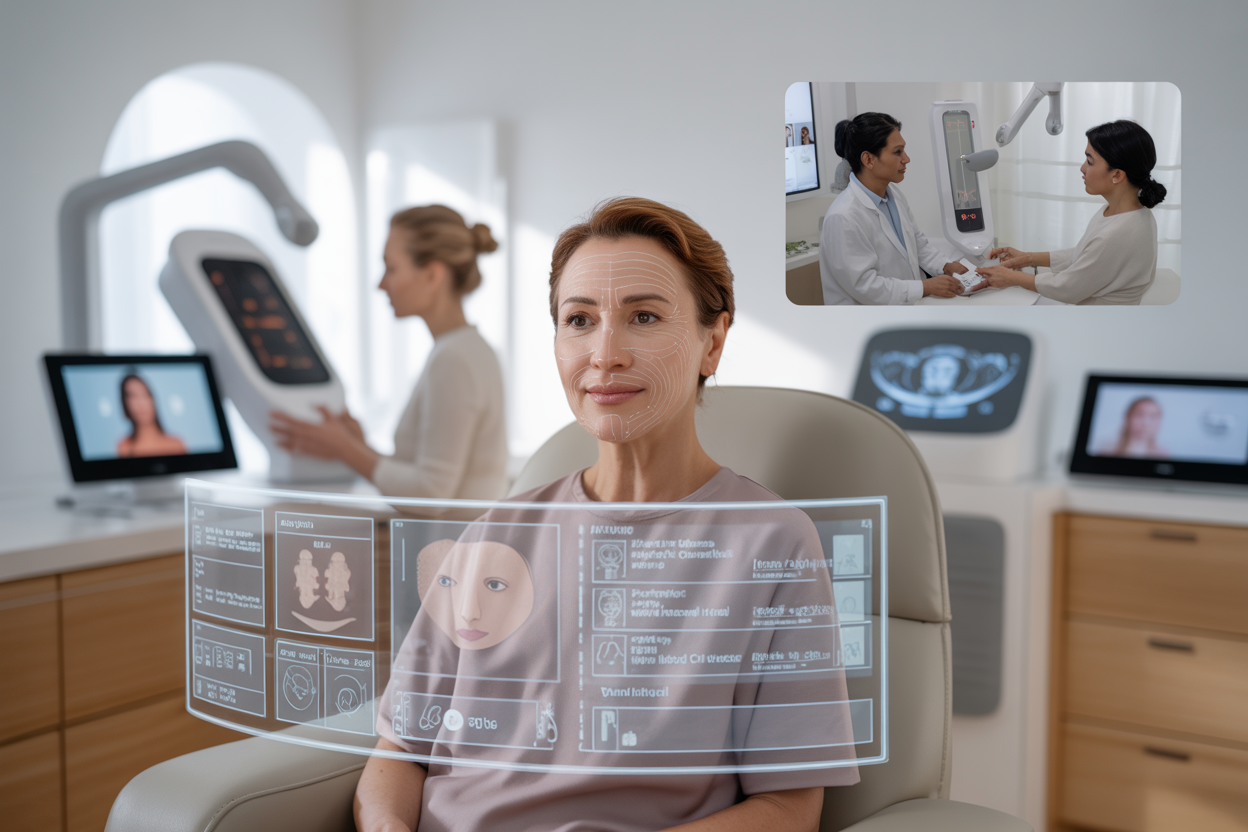
The field of aesthetic medicine has transformed dramatically over the past two decades. What was once limited to basic skin treatments and surgical enhancements has evolved into a sophisticated blend of science, artistry, and advanced technology. Modern clinics are no longer focused only on appearance; they aim to improve overall well-being, boost confidence, and create results that look natural rather than artificial. In 2025, the rise of cutting-edge procedures, personalization, and holistic care has firmly established the aesthetic industry as one of the fastest-growing branches of healthcare.
The Shift from Cosmetic to Aesthetic Wellness
There was a time when people equated cosmetic treatments with vanity or luxury. Today, the perception has shifted. Many individuals seek aesthetic treatments not simply to look younger but to feel healthier and more confident in their skin. Aesthetic clinics now offer solutions that address concerns like acne scars, pigmentation, hair thinning, or skin laxity issues that affect both physical appearance and emotional well-being.
This new focus on wellness has also attracted a more diverse group of patients. Younger individuals approach treatments preventively, while older patients use them to maintain vitality. Men, who were once hesitant, are increasingly exploring options ranging from hair restoration to body contouring.
Technology at the Heart of Modern Treatments
One of the biggest drivers of change is the integration of advanced technology. Clinics now rely on AI-driven skin analyzers, 3D imaging systems, and robotic-assisted devices to create precise, customized treatment plans.
Laser therapies have become more effective and safer, offering solutions for everything from tattoo removal to wrinkle reduction. Non-invasive body contouring devices use radiofrequency and cryolipolysis to reshape areas without surgery. Meanwhile, regenerative medicine is making its mark through platelet-rich plasma (PRP) and stem-cell-based therapies that encourage the body’s natural healing processes.
Virtual consultations have also gained traction, allowing patients to connect with specialists from anywhere in the world. These tools provide convenience while ensuring professional evaluation and personalized recommendations.
Personalization as the New Standard
No two patients are alike, and neither are their treatment plans. The modern aesthetic approach emphasizes personalization, where procedures are tailored to skin type, lifestyle, age, and long-term goals.
Data-driven tools make this customization possible. AI software can predict how a patient’s skin may respond to a certain treatment, while genetic testing can reveal predispositions to conditions like premature aging or hair loss. These insights allow doctors to plan treatments that not only address current issues but also anticipate future needs.
This level of personalization helps achieve results that blend seamlessly with natural features. Patients increasingly want enhancements that are subtle, ensuring they look like the best version of themselves rather than dramatically altered.
The Role of Holistic Health in Aesthetics
Beauty and health are deeply connected. Many clinics now integrate holistic health practices into their services, recognizing that lifestyle factors like diet, sleep, exercise, and stress directly affect appearance.
Nutritional counselling, wellness coaching, and fitness support are becoming part of the patient experience. For example, patients preparing for body contouring procedures are often encouraged to adopt strength training routines that complement their treatment. Proper form and posture are key to safe and effective exercise, which is where supportive tools like an incline decline weight bench can help patients stay fit and recover better.
By combining aesthetic treatments with lifestyle adjustments, clinics offer a more comprehensive approach to beauty—one that goes beyond surface-level improvements.
Non-Surgical Procedures Leading the Market
Non-surgical procedures have overtaken invasive surgeries in popularity due to shorter recovery times, reduced risks, and more natural outcomes. Treatments like dermal fillers, Botox, chemical peels, and microneedling are now mainstream, with millions opting for them annually.
These procedures deliver noticeable results without the downtime traditionally associated with cosmetic surgery. Patients can often return to work or social events the same day, making them convenient for modern lifestyles. Moreover, advances in technique ensure subtlety; rather than frozen expressions or exaggerated contours, results are increasingly refined and understated.
The Ethical and Psychological Dimension
As the industry expands, ethical responsibility has become a central discussion point. Clinics must balance offering popular treatments with ensuring patient safety and psychological readiness. Screening for body dysmorphic disorder, managing expectations, and encouraging realistic goals are essential parts of ethical practice.
Patients too are becoming more discerning. Many seek clinics that prioritize transparency, education, and long-term relationships over quick sales. This shift is fostering a culture of trust and professionalism that strengthens the credibility of aesthetic medicine.
Accessibility and Global Growth
Aesthetic services are no longer limited to major metropolitan areas or high-income groups. The industry’s growth has made treatments more accessible across different regions and socioeconomic backgrounds. Clinics are opening in smaller cities, offering quality services at competitive prices.
Medical tourism is also booming. Countries like India, Thailand, and Turkey are attracting international patients seeking affordable, high-quality treatments. This globalization of aesthetic care underscores the demand for consistent standards, accreditation, and cross-border collaboration.
The Future of Aesthetic Clinics
The next decade promises even more exciting developments. Biotech companies are working on new injectables that stimulate collagen production naturally, reducing reliance on synthetic fillers. Genetic mapping may eventually allow treatments so personalized that no two patients receive the same protocol. Virtual reality tools could help patients visualize results before committing, improving satisfaction and reducing regret.
Sustainability is also entering the conversation. Eco-friendly practices, biodegradable products, and minimal waste protocols are becoming part of clinic operations as patients increasingly value ethical and environmentally conscious care.
Choosing the Right Clinic
With so many options available, patients must choose wisely. Reputation, expertise, and patient experience should guide the decision more than flashy advertisements or low prices. A trustworthy clinic combines state-of-the-art technology with compassionate care, ensuring patients feel safe and supported throughout their journey. The right clinic understands that confidence and health go hand in hand, making the process as empowering as the results.
Conclusion
The modern Aesthetic Clinic is no longer just a place for superficial change; it is a hub of innovation, personalization, and holistic well-being. With artificial intelligence enhancing precision, non-invasive options improving accessibility, and wellness programs ensuring long-term results, aesthetic medicine is redefining what it means to look and feel good.
Patients today expect more than quick fixes, they seek sustainable, natural enhancements that align with their lifestyle and values. By combining advanced technology with ethical care and holistic health, the industry is setting new standards. The future of aesthetics lies not just in altering appearances but in empowering individuals to embrace their best selves with confidence and balance.