Authorized:











Sunny Health & Fitness Premium Ultimate Incline Decline Treadmill SF-X7210


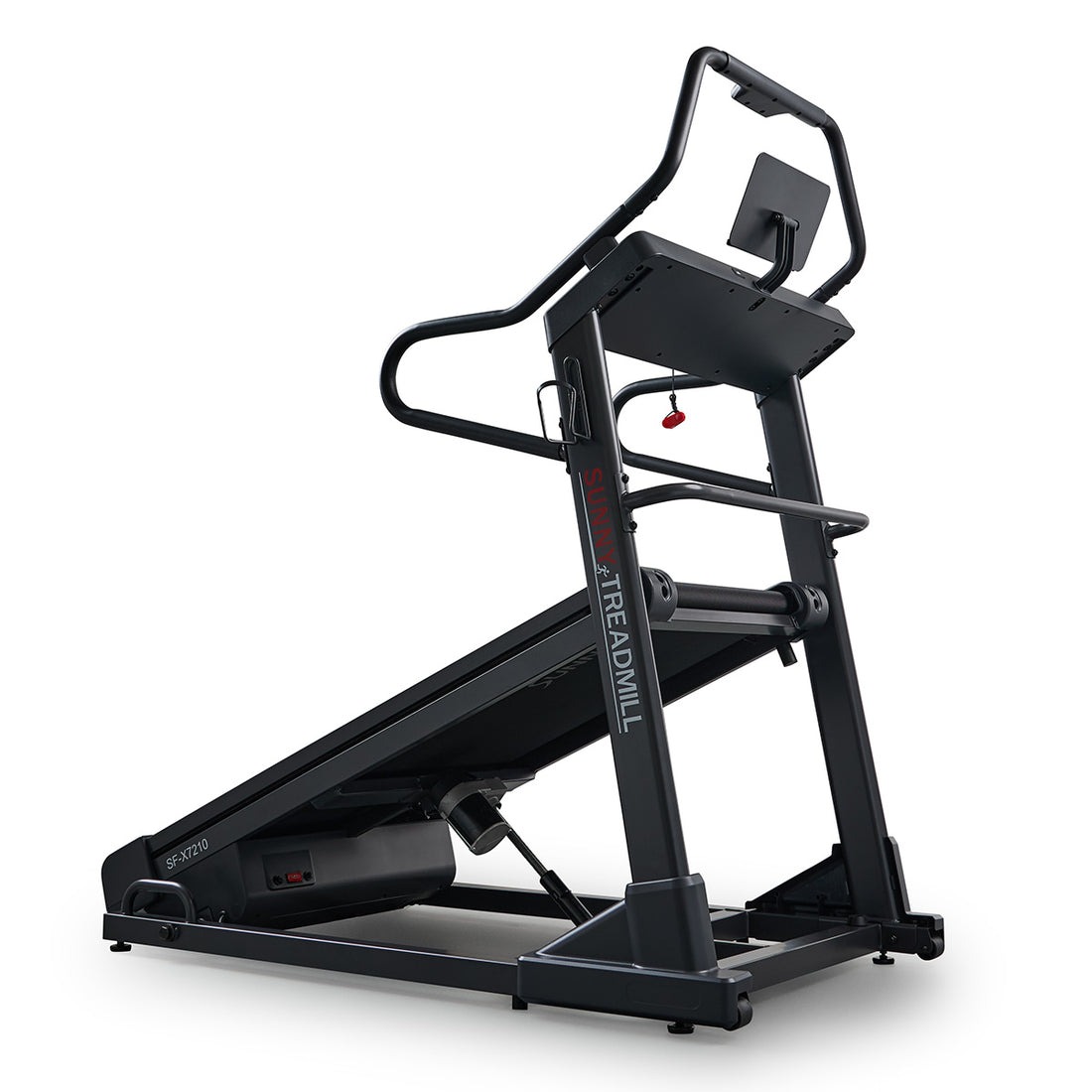
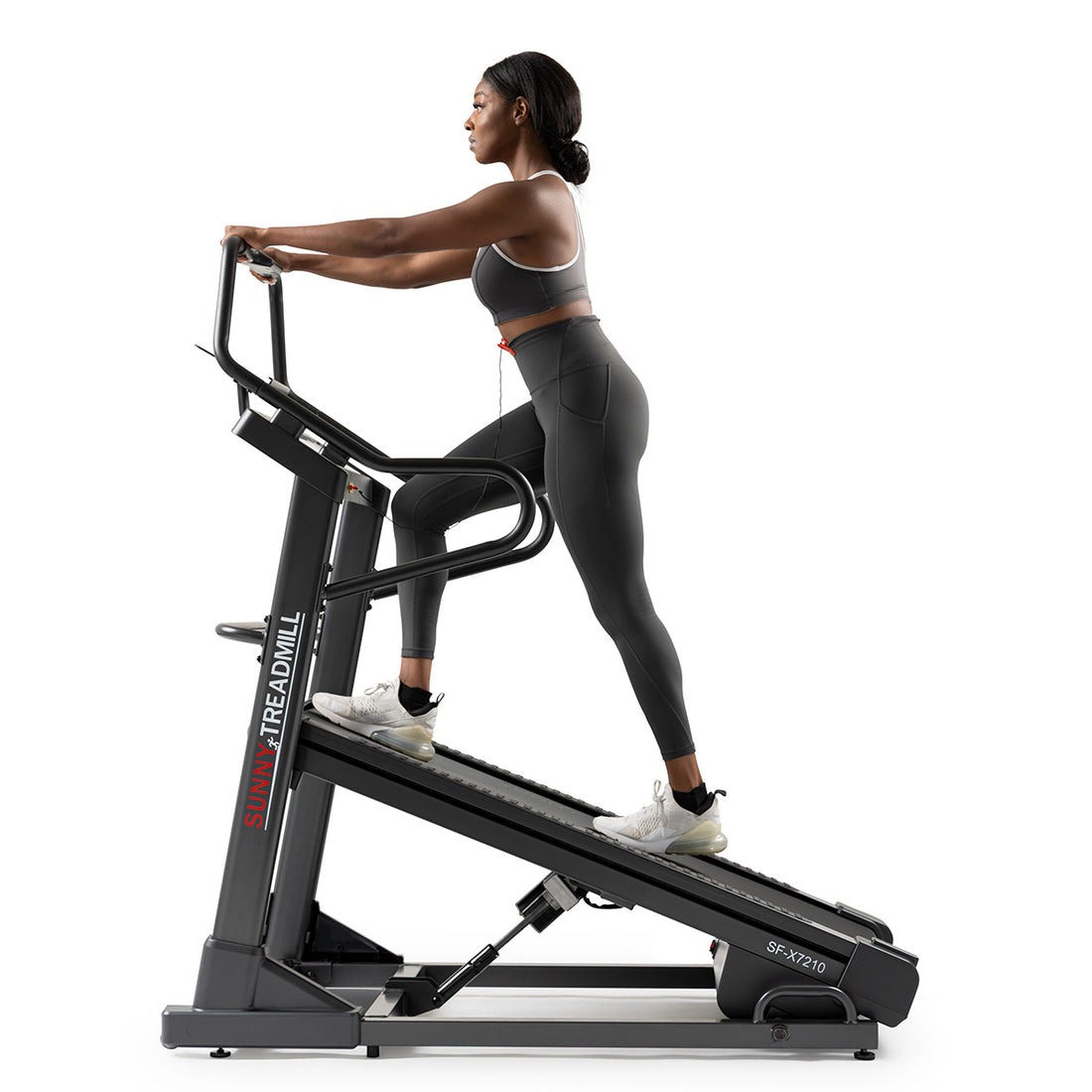
Incline Decline Treadmill: Sunny Health & Fitness SF-X7210
If you’re done “walking in place” on flat treadmills, this incline/decline treadmill solves one clear problem: how to train on real terrain indoors—safely—so your fitness keeps moving forward.
Why an incline/decline treadmill works
An incline/decline treadmill works because the grade changes the job your legs have to do. Incline shifts more demand into glutes, calves, and climbing-specific cardiovascular work. Decline teaches controlled braking (eccentric control) that many runners, hikers, and rehab-minded users don’t practice enough. Biomechanics research confirms that incline and decline gradients alter neuromuscular coordination and movement strategies in meaningful ways.
- For advanced athletes: use grade to create intensity without sprinting.
- For recovery-minded users: use gentle decline to reintroduce control slowly.
- For busy households: get hill work regardless of weather, traffic, or daylight.
What makes the SF-X7210 feel “premium”
Direct answer: The SF-X7210 feels premium because it pairs extreme grade range with stability, a large deck, and connected training—so you can train harder without making the machine the weak link.
Terrain range you can actually use
The SF-X7210 offers a -3% decline to a 45% incline and separates “running” from “climbing” speeds so steep grades stay manageable (and safer) instead of chaotic.
Power and deck comfort for high-volume weeks
A 2.5 HP rear-drive DC motor supports sustained uphill work, and the deck is built for long sessions with shock absorption and a spacious running surface.
Coaching and accountability that reduces drop-off
Wi-Fi and Bluetooth connectivity let you track sessions and stay engaged with guided workouts and scenic routes through the SunnyFit ecosystem.
Product specifications (cannot be omitted)
Direct answer: These specs tell you whether the treadmill fits your space, your body, and your programming.
- Incline/Decline: -3% to 45% (auto electric)
- Speed (Running): 0.5–10 MPH
- Speed (Climbing): 0.5–3.7 MPH
- Motor: 2.5 HP DC (rear-drive)
- Running Surface: 53" L × 19.7" W
- Max User Weight: 300 lb
- Built-in Programs: 18
- Connectivity: Wi-Fi + Bluetooth; SunnyFit app
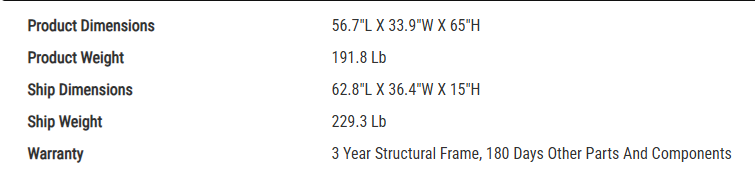
- Product Dimensions: 56.7" L × 33.9" W × 65" H
- Product Weight: 191.8 lb (ship weight 229.3 lb)
- Warranty: 3-year frame + 180 days parts
(All specifications above reflect the manufacturer’s published SF-X7210 spec sheet.)
How experts program incline and decline
Direct answer: Use grade to drive the stimulus, then use speed to protect form.
Here are three simple templates that mirror how coaches program hills for results without wrecking joints:
- Climb Strength (10–20 min): 6–10 rounds of 45 sec at 15–25% incline + 60 sec easy. Keep speed “talkable,” form tall.
- Decline Control (6–12 min): Start at -1% for 3 min, then 3 × 2 min at -2% to -3%. Quiet steps, stable hips.
- Terrain Mix (20–35 min): 3 min @ 10–15% + 2 min @ 0% + 2 min @ -1% to -2%, repeat 4–6 times.
Safety guardrails for steep grades
Direct answer: If you can’t keep your steps quiet and controlled, reduce the grade.
The 3 stop-signals
- Sharp or escalating joint pain
- Heel slapping / loud footstrike
- Gripping the rails to “survive” the set
Experience note: Most first-time hill users go too hard on day one. If your calves lock up or your steps get noisy, lower the grade before you lower the speed.
Who this incline decline treadmill is for
Direct answer: It’s for people who want one machine to cover performance training, walking confidence, and long-term progression.
- Home fitness enthusiasts leveling up from incline-only models
- Trainers and small studios needing terrain variety in one footprint
- Corporate wellness spaces that need a “wow” centerpiece
- Rehab/recovery users seeking controlled grade exposure (progressively)
- Seniors and families prioritizing stability and hand support
- Athletes building hiking, trail, and hill strength year-round
Key luxury-driven features
Direct answer: These are the “daily-use” details that make the premium feel obvious.
✅ -3% to 45% terrain control
✅ Rear-drive 2.5 HP motor torque
✅ Climb Mode safer speed range
✅ 53" × 19.7" shock deck
✅ 300 lb capacity stability
✅ 18 built-in workout programs
✅ Wi-Fi to SunnyFit TV sessions
✅ Bluetooth workout stat syncing
✅ Capacitive touchscreen display
✅ Quick speed and incline buttons
✅ Pulse sensors on handlebars
✅ USB charging + bottle holder
People Also Ask
Is a 45% incline treadmill worth it?
Yes—if you want hill-specific fitness without sprinting. A steep incline lets you push the workload at lower speeds, which many users tolerate better than fast running.
What does declining training actually do?
Decline practice builds braking control and eccentric strength. Start gently and treat it like a technique, not a punishment.
How much space do I need?
You need the treadmill footprint (56.7" L × 33.9" W × 65" H) plus safe clearance behind and on both sides for mounting, dismounting, and emergency stopping.
Can this work for a small gym or studio?
Yes for managed use (scheduled upkeep, clear user rules, proper flooring). If you need all-day commercial traffic, a full commercial line may fit better—but this model covers many studio scenarios.
Make the upgrade—and keep it for years
Direct answer: If you want one incline/decline treadmill that delivers terrain realism, stable build quality, and connected coaching, the SF-X7210 is a smart “buy once, use forever” choice.
For nationwide shipping and support anchored from our Tennessee headquarters, shop through Hamilton Home Fitness and order today.
Secure Payments