
Introduction
Are you struggling to add weight to your standing cable rows? You’re not alone. Many people find it tough to gain weight through this exercise. Without the right approach, progress can feel slow or even stop.
The standing cable row is a fantastic way to build strength in your back, shoulders, and legs. However, to see growth, you need to increase the weight over time. It’s not just about adding more weight; you need to do it safely. The key is to use excellent form and stay in control.
In this guide, we’ll show you how to add weight to your standing cable rows the right way. You’ll learn simple tips and tricks to help you lift more without risking injury. Whether you’re new to this exercise or experienced, these tips will help you progress safely.
Understanding the Standing Cable Row
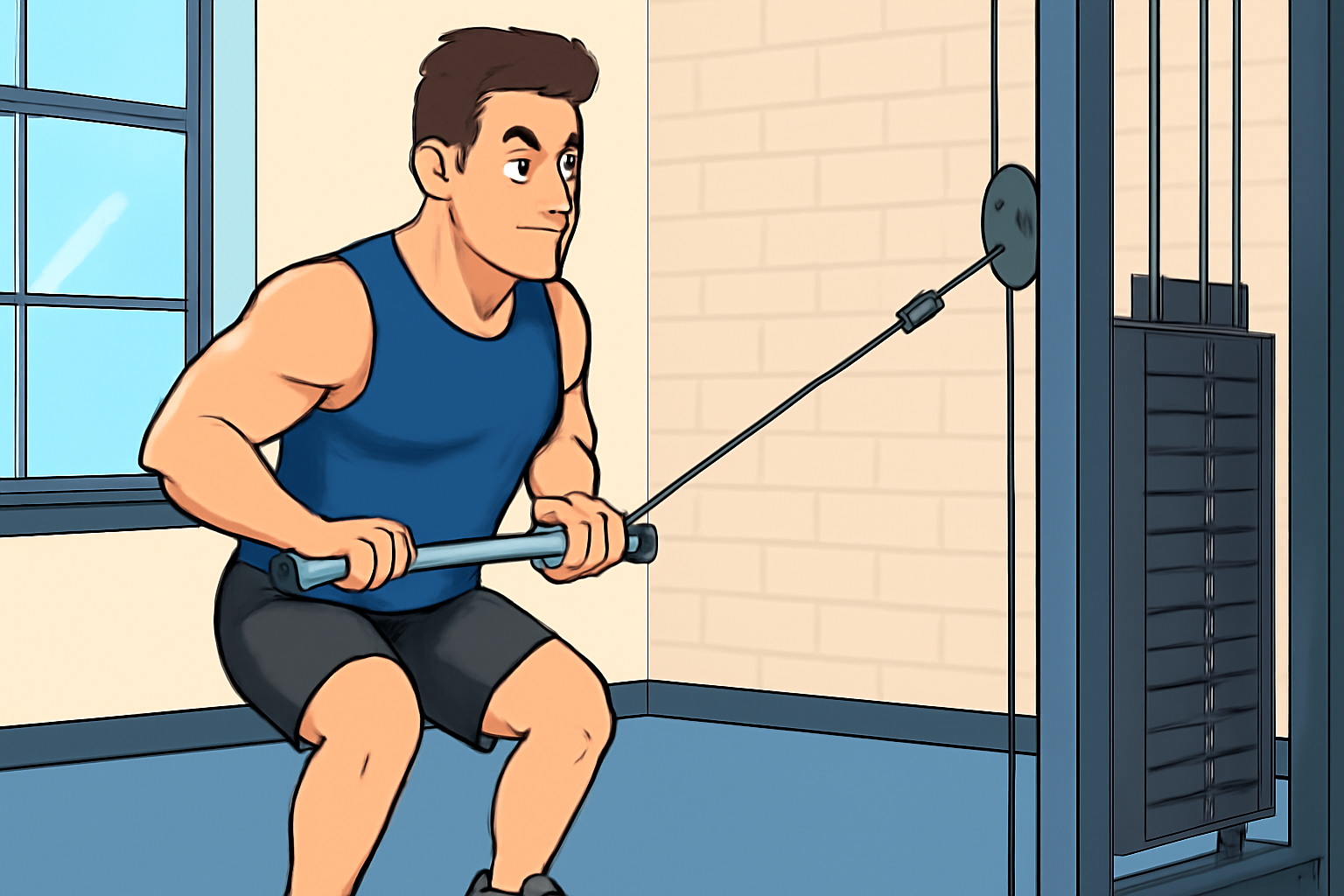
The standing cable row is a great exercise for your back. It works the lats, rhomboids, and traps. You also use your biceps, shoulders, and core to keep stable.
In this exercise, you pull a cable attachment towards your body. Your feet stay planted on the floor, and your back stays straight. Unlike seated rows, you must engage your core and legs to balance yourself, making the exercise more challenging and effective.
Why is this exercise so good?
The standing cable row provides constant resistance throughout the movement. This technique helps build muscle better than some free-weight exercises and allows you to target specific muscles without using Momentum.
This exercise is not just for strength. It can also help your posture. As you pull the cable, your shoulder blades pull together. These movements can help you stand straighter, especially if you spend a lot of time sitting.
Importance of Progressive Overload in Strength Training

Progressive overload helps you get stronger and build muscle. It means slowly increasing the weight or resistance you use over time. This procedure challenges your muscles, helping them grow and become stronger.
Progressive overload is important for standing cable rows. If you keep using the same weight, your muscles won’t grow. To see progress, you need to add more weight gradually.
Why is it important?
When you increase the weight, your muscles have to work harder. The activity puts stress on them, which makes them grow back stronger. Over time, this process leads to more muscle and strength.
It’s important to add weight gradually. Adding too much too fast can cause injury. Small increases are best, giving your muscles time to adapt.
Consistency is key. Progress happens over time, so stay steady and patient. Combine progressive overload with good recovery and proper nutrition to see the best results.
Techniques to Safely Increase Weight in the Standing Cable Row
When increasing the weight in your standing cable rows, it’s essential to do it safely. The goal is to build muscle and strength without putting yourself at risk of injury. Here are some techniques to help you increase weight effectively:
1. Start with Proper Form
Before you increase the weight, make sure your form is perfect. Proper technique ensures you target the right muscles and reduce the chance of injury. Keep your back straight, chest up, and shoulders down. Focus on pulling with your elbows, not your hands, to engage the lats.
2. Gradually Increase the Weight
Don’t rush to add weight. Increase it slowly, in small increments. Adding too much too soon can strain your muscles and lead to injury. Start with a manageable weight and gradually add 2.5 to 5 pounds each session. This approach allows your muscles to adapt and grow stronger over time.
3. Use the Right Grip
The grip you use can impact how much weight you can handle. A neutral grip (palms facing each other) is generally safer and more comfortable. It puts less strain on your shoulders and wrists, allowing you to focus on your back muscles. As you progress, you can experiment with different grips (pronated or supinated) for variety.
4. Focus on Controlled Movements
When lifting heavier weights, it’s easy to use Momentum to complete the movement. Avoid this! Focus on slow, controlled movements throughout the entire range of motion. This ensures that your muscles are doing the work, not just the Momentum. Pause briefly at the top and bottom of each rep to maximize muscle activation.
5. Engage Your Core
Your core plays a giant role in maintaining stability during standing cable rows. As you increase weight, you’ll need to engage your core more to keep your body balanced. Tighten your abs and focus on maintaining a strong, neutral spine throughout the exercise.
Using these techniques, you can safely increase the weight in your standing cable rows, which will lead to better results and reduce your risk of injury.
Tools and Accessories to Enhance Weight Increase
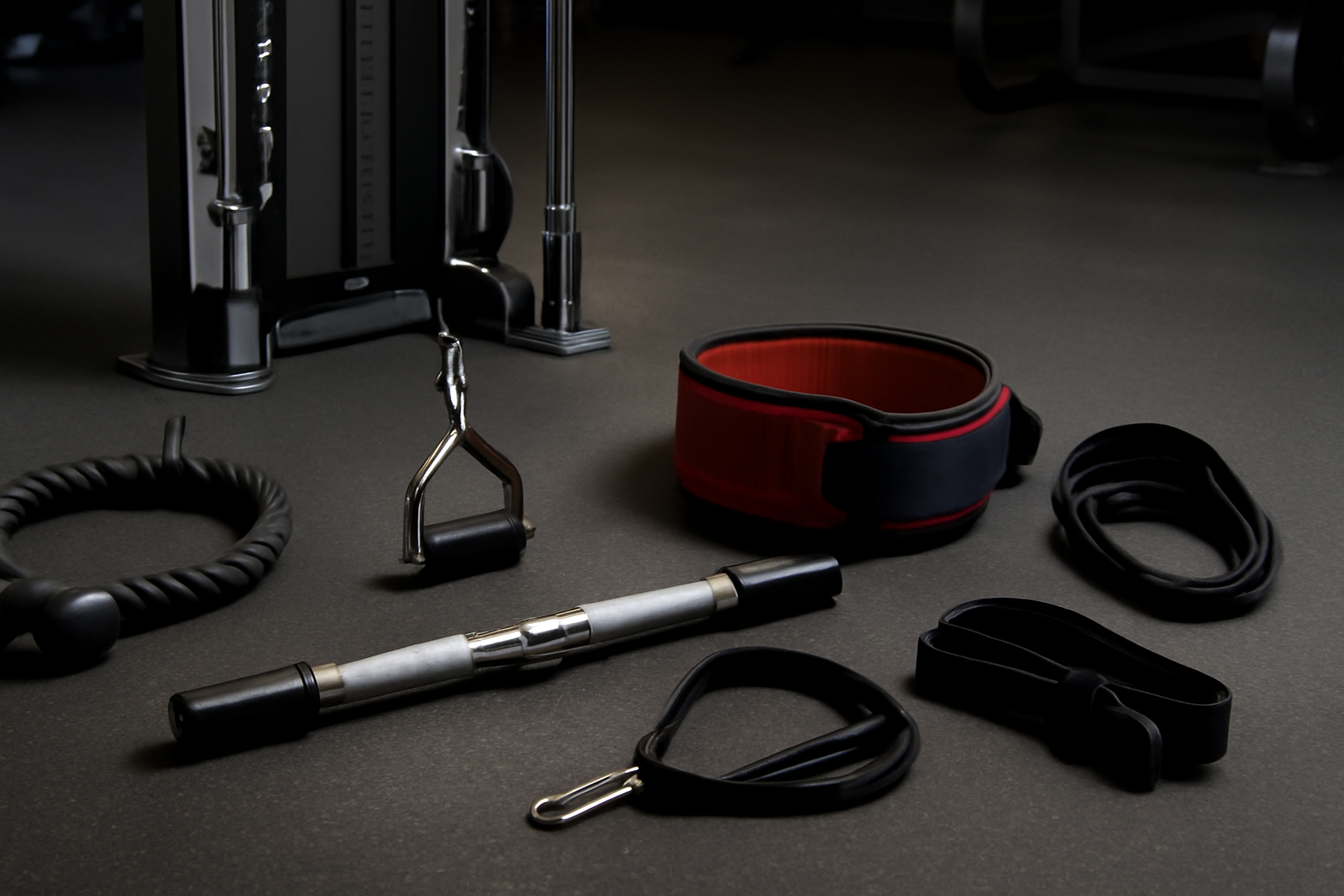
Using the right tools can make your standing cable rows more effective. They help you lift more weight safely and comfortably. Here are some tools and accessories you should consider:
1. Cable Attachments
The right attachment can make your rows more comfortable and target your muscles better. Here are a few to try:
- Rope attachment: This variation allows for a natural movement and better lat engagement.
- Single handle: Perfect for one-arm rows. It helps balance out your muscles.
- Straight bar: A classic choice for both arms at once, providing a solid grip.
2. Adjustable Cable Machines
Many modern cable machines let you adjust the height and angle of the cable. Changing the height targets different areas of your back. A lower cable hits the lower lats, while a higher cable works the upper back. Adjusting the angle also helps you lift more weight comfortably.
3. Resistance Bands
Resistance bands are a fantastic way to make your rows more challenging. They add extra tension as you pull, helping build strength. You can also use them with the cable machine to improve your form and technique.
4. Weight Belts
As the weights get heavier, a weight belt can support your lower back. It helps keep your core tight and reduces the risk of injury. A belt is a smart choice when you start lifting heavy weights.
5. Wrist Straps
Wrist straps help you hold onto the cable handle. As the weight increases, your grip can weaken. Wrist straps take the strain off your hands, letting you focus on your back muscles.
These tools allow you to lift more safely and effectively target your back. They also help you improve your form and increase your weight in a controlled way.
Avoiding Common Mistakes When Increasing Weight
As you increase the weight in your standing cable rows, it’s important to avoid common mistakes that can slow your progress or lead to injury. Here are some mistakes to watch out for and how to avoid them:
1. Adding Too Much Weight Too Soon
One of the most common mistakes is rushing to add weight. It’s tempting to lift heavier, but jumping too quickly can lead to bad form and injuries. Instead, increase the weight gradually. Aim for small increments, about 2.5 to 5 pounds at a time. This strategy allows your muscles to adapt safely and prevents you from overloading too soon.
2. Using Momentum
Another mistake is relying on Momentum to complete the movement. When you jerk the cable or use quick, uncontrolled movements, your muscles don’t get the full benefit of the exercise. Always focus on slow, controlled motions. A steady pace maximizes muscle engagement and reduces the risk of strain.
3. Neglecting Your Core
Your core is vital to sustaining good posture during standing cable rows. As you lift heavier weights, it’s easy to let your core relax, which can lead to back strain. To avoid this, engage your abs throughout the exercise. Keep your spine neutral and your torso steady, even as the weight increases.
4. Overlooking Proper Recovery
Strength training isn’t just about lifting heavier weights. Recovery is just as important. If you don’t give your muscles enough time to recover, you may experience fatigue, soreness, and even injury. Make sure to rest between workouts, eat properly, and stay hydrated. Your muscles need recovery time to grow stronger.
5. Ignoring Warm-ups and Stretching
Another common mistake is skipping warm-ups or stretching before heavy lifting. Warming up prepares your muscles for the work ahead and reduces the risk of injury. Take a few minutes to stretch and do some light sets before increasing the weight in your standing cable rows. This will help prevent strains and improve your overall performance.
By avoiding these mistakes, you can increase weight safely and see better results. Focus on gradual progress, maintain good form, and always prioritize recovery.
Additional Tips for Maximizing the Standing Cable Row
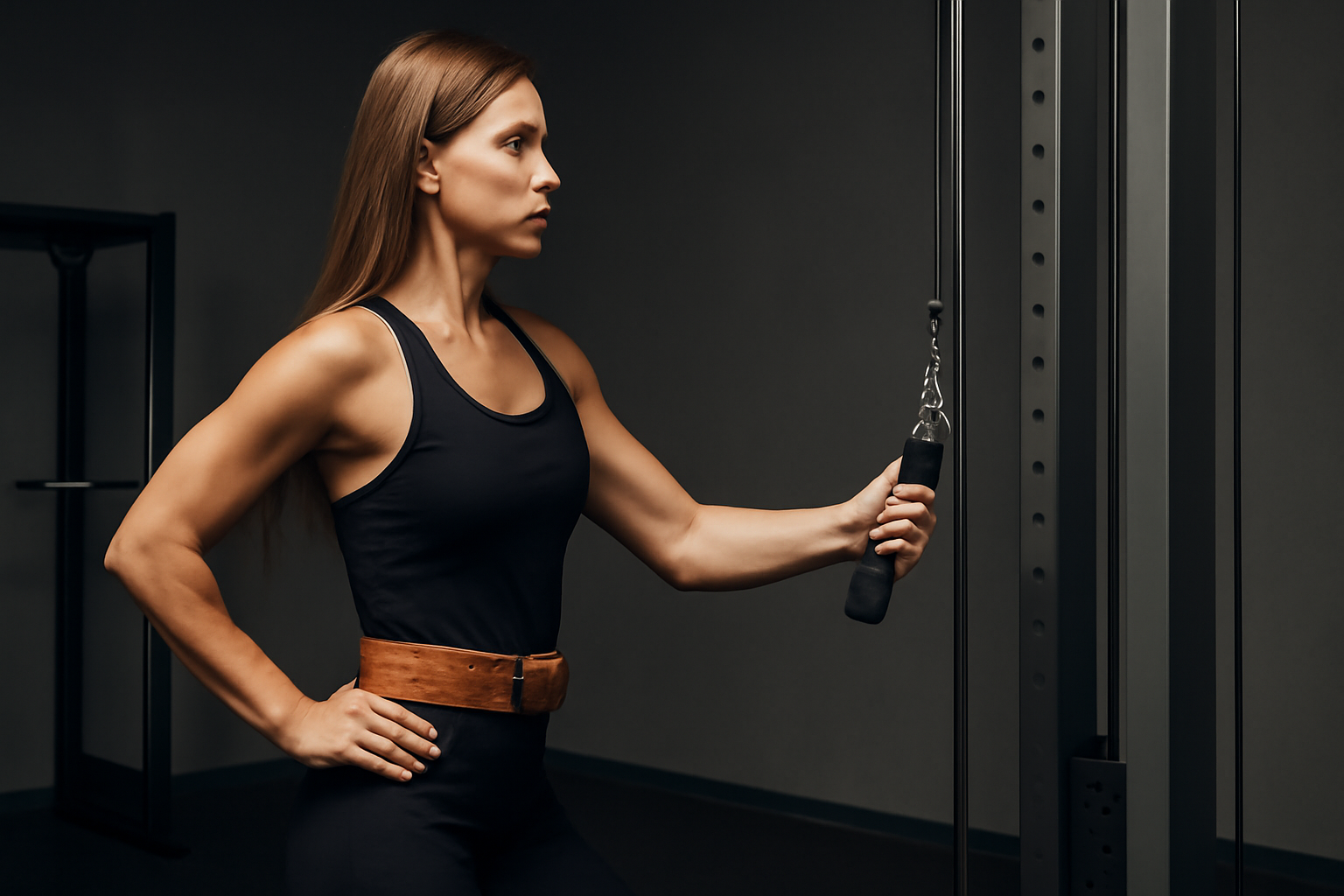
To get the best results from your standing cable rows, try these extra tips. They’ll help you build strength and muscle faster while keeping your workouts interesting.
1. Try Different Row Variations
Mixing up your rows can target different muscles and prevent boredom. Here are a few variations:
- Single-arm cable row: This helps you focus on each side of your back and works your core more.
- Reverse-grip cable row: Hold the cable with an underhand grip. This targets the lower lats and biceps.
- High cable row: Adjust the machine higher and pull it down to your chest. This focuses on the upper back.
2. Focus on the Mind-Muscle Connection
To get the most from each rep, think about the muscles you’re working. When you pull the cable, squeeze your back muscles, especially your lats. This approach can increase muscle activation and lead to better results.
3. Adjust Sets and Reps
How much weight you lift and how many sets and reps you do can affect your results. For building muscle, try 3 to 4 sets of 8–12 repetitions. For strength, aim for fewer reps (4-6) with heavier weights. Use a lighter weight and perform more repetitions (12–15) to build muscle endurance.
4. Change Your Rep Speed
Varying the speed of your reps can give you new challenges. Try slow, controlled reps when you pull and faster ones when you return. You can also pause for a second at the top of the row. This technique increases time under tension and helps muscle growth.
5. Don’t Forget Your Breathing
Breathing is important during the row. Inhale as you pull the cable toward you, and exhale as you return it. Good breathing helps you stay in control and gives you more strength for each rep.
By using these tips, you can maximize your standing cable rows and continue making progress. To maximise your workouts, change your routine, focus on the right muscles, and adjust your technique.
Frequently Asked Questions
1. How do I perform a standing cable row correctly?
Stand with your feet shoulder-width apart. Grab the cable attachment with both hands. Keep your back straight and pull the cable towards your torso. Lead with your elbows, not your hands. Squeeze your shoulder blades together. Slowly return to the starting position, maintaining control.
2. What muscles do standing cable rows target?
Standing cable rows mainly work your back, including the lats, rhomboids, and traps. They also work your biceps, shoulders, and core.
3. How much weight should I start with for standing cable rows?
Start with a lightweight. Choose a weight you can comfortably pull for 10–12 reps while in good form. Gradually increase the weight as you get stronger.
4. Can standing cable rows help improve my posture?
Yes, they can. Standing cable rows strengthen the muscles in your upper back and shoulders. The exercise helps correct poor posture and can prevent slouching.
5. How do I prevent injury when increasing weight in standing cable rows?
Increase weight slowly. Focus on excellent form and avoid using Momentum. Engage your core to protect your lower back. Always warm up before lifting heavier weights.
6. What’s the best attachment for standing cable rows?
It depends on your goals. A rope attachment offers a natural range of motion. A straight bar works both arms at once. A single handle is great for one-arm rows.
Final Thoughts
In short, increasing the weight in your standing cable rows is key to building strength. Start slow, focus on good form, and gradually add weight. This way, you’ll avoid injury and see real progress. Changing up your routine will help keep things fresh and move you forward.
At Hamilton Home Fitness, we know that the right equipment makes a big difference. Whether you need a top-quality cable machine or accessories to improve your rows, we’ve got you covered. Our products are designed to help you reach your fitness goals safely and effectively.
So, put these tips into action today. With the right equipment and steady progress, you’ll see results in no time. Visit Hamilton Home Fitness for all your fitness needs and take your workouts to the next level.