- YORK BARBELL
Authorized:











Hand Grip Strengtheners
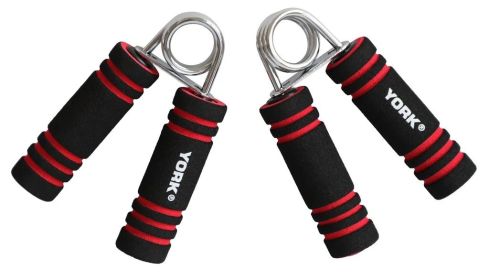
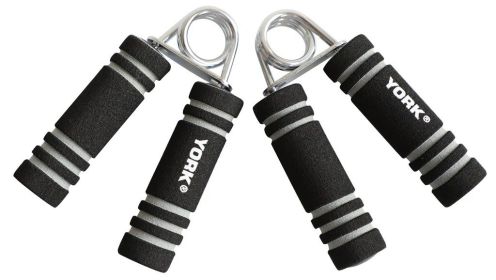

Hand Grip Strengthener Exercises for Stronger Hands
Your grip is often the first thing to quit and the last thing people train. Hand grip strengthener exercises change that. They build the crush power, forearm strength, and steady control that carry into every lift, every sport, and ordinary tasks like hauling groceries or opening a stuck jar.
Hand grip strengthener exercises train your hands, fingers, and forearms by squeezing a gripper against resistance. The core moves are full crush reps, slow negatives, and timed holds, done two to three times a week. Pair them with wrist curls and farmer's carries for complete, lasting grip strength.
Below you'll find the exercises that actually work, how to program them safely, and how to choose the right tool. At Hamilton Home Fitness, grip trainers sit alongside the free weights and rehab gear that complete a full program.
Why grip strength is worth training
A stronger grip pays off everywhere, not just in the gym. It steadies heavy lifts, sharpens control in sports like tennis and climbing, and keeps daily tasks easy as you age.
What muscles do hand grippers work? Mostly the finger flexors and the forearm muscles, with your thumb and wrist assisting on every squeeze. That direct loading is what builds usable crush strength quickly.
Grip also tends to be the weak link in pulling movements. When your hands give out before your back or legs, the set ends early—and training grip removes that ceiling. Researchers have even studied grip strength as a general marker of overall health and aging, which is part of why it draws attention well beyond lifters.
Best hand grip strengthener exercises
The most effective grip work is simple: load the squeeze, control the release, and hold under tension. Three patterns build the bulk of your strength.
- Full crush reps: Squeeze the handles fully closed, then open with control. Aim for 8 to 12 clean reps per hand.
- Slow negatives: Close with both hands, then release slowly with one. This overloads the muscle and builds strength fast.
- Timed holds: Squeeze closed and hold for 10 to 30 seconds to train endurance and a locked-in grip.
How do you use a hand gripper correctly? Set the rounded handle deep in your palm, wrap your fingers over the other handle, and keep your pinky on the grip for leverage. Squeeze smoothly until the handles meet, then lower under control. Skip the fast, jerky reps that strain tendons.
For fuller forearms, add a few carryover moves with a pair of dumbbells: wrist curls, reverse wrist curls, and loaded carries. Towel wringing and dead hangs work well too and need almost no equipment.
How often and how many reps
Train grip two to three times a week, not daily. Your finger tendons recover slower than larger muscles, so rest matters as much as effort.
Can you use a hand gripper every day? Light, easy squeezing is usually fine daily, but hard, near-max training every day invites strain and stalls progress. Keep heavy sessions to two or three per week, and warm up first. Beginners do well with 3 to 4 sets of 8 to 12 reps per hand, adding resistance only once the reps feel easy.
Types of grip strengtheners
Different tools train grip in different ways, so the right pick depends on your goal. Here's how the main options compare.
| Type | Resistance | Best for | Feel |
|---|---|---|---|
| Adjustable gripper | Dial up or down | Beginners, steady progress | Cushioned, forgiving |
| Fixed spring gripper | Set per model | Building max crush power | Firm, direct |
| Finger trainer | Per-finger springs | Musicians, climbers | Targeted, isolating |
| Grip ring or ball | Light and springy | Warm-ups, recovery | Soft, low-impact |
Adjustable grippers suit most people because one tool grows with you. Serious crush training often calls for a set of fixed grippers instead. Pair any of these with resistance training tools for banded finger and wrist work that rounds out your routine.
How to choose your grip trainer
Pick resistance you can control with clean form, then confirm the build and comfort hold up to daily use. A good grip strengthener feels firm in the hand and progresses with you, never punishing your joints.
What resistance should a beginner start with? Choose a load you can close for 8 to 12 solid reps per hand. If you can't close it once, it's too heavy; if you can repeat it endlessly, it's too light. Adjustable models make this easy, since you dial the tension up as you get stronger.
Use this checklist when comparing options:
✅ Resistance that matches your current strength
✅ Adjustable load so you can progress over time
✅ Comfortable handles that won't dig or slip
✅ Solid alloy or steel build that lasts years
✅ Smooth, consistent spring tension
✅ Compact size for desk, bag, or travel
✅ A model suited to your sport or daily goal
✅ Finger trainer option for targeted work
✅ Easy returns if the resistance feels wrong
✅ Secure checkout and fast, tracked shipping
✅ Real phone support for sizing questions
✅ Trusted brand range, not random knockoffs
Shop the grip strengtheners and training accessories that fit your hands, and start with the right resistance today.
Grip training for recovery and rehab
Grip work can support hand recovery and everyday function, but keep it gentle and patient. Light squeezing helps many people rebuild strength and mobility after time off, ideally guided by a professional.
Recovering from an injury or managing a hand condition? Start with the softest resistance and stop at any sharp pain. Grip rings, soft balls, and light bands are common choices, and you'll find hand and joint rehab equipment alongside them. This is general guidance, not medical advice—check with your doctor or therapist for a plan that fits you.
For athletes and facility owners building a bigger setup, grip trainers pair naturally with cross-training gear for well-rounded conditioning.
Frequently asked questions
Are hand grip strengtheners actually effective? Yes. Squeezing against real resistance directly loads the muscles that close your hand, so they get stronger over weeks of consistent training. For the biggest gains, train two to three times a week and raise the resistance as it gets easier.
How long until I notice a stronger grip? Most people feel a firmer, more confident grip within four to six weeks of regular training. Visible forearm changes take longer and depend on your diet, total training, and resistance. Consistency beats any single hard session.
Do grip strengtheners build bigger forearms? They build real forearm and finger strength, but a gripper alone won't max out forearm size. Pair it with wrist curls, reverse curls, and loaded carries using dumbbells for fuller development. The gripper handles your crush strength; the weights handle the rest.
Can grip trainers improve my lifting and pull-ups? A stronger grip helps you hold heavy bars longer, which often improves deadlifts, rows, and pull-ups. Grippers mainly train crush strength, so add dead hangs and heavy holds for the support grip those lifts demand. Together they remove grip as your weak link.
Are grippers safe for arthritis or stiff, aging hands? Many people use light grip work to stay mobile and maintain hand strength over time. Start very light, move slowly, and stop if anything sharp or painful occurs. If you have arthritis or a hand condition, check with your doctor or therapist before starting.
Can I train grip strength without a gripper? Yes. Towel wringing, hanging from a bar, and farmer's carries with dumbbells or kettlebells all build serious grip. A dedicated grip strengthener simply makes crush-grip training easier to load, track, and do anywhere.
A stronger grip starts with one squeeze and the right tool. Shop hand grip strengtheners, pick the resistance that matches your hands, and order today—backed by secure checkout, fast shipping, and easy returns at Hamilton Home Fitness.
Secure Payments