
Introduction
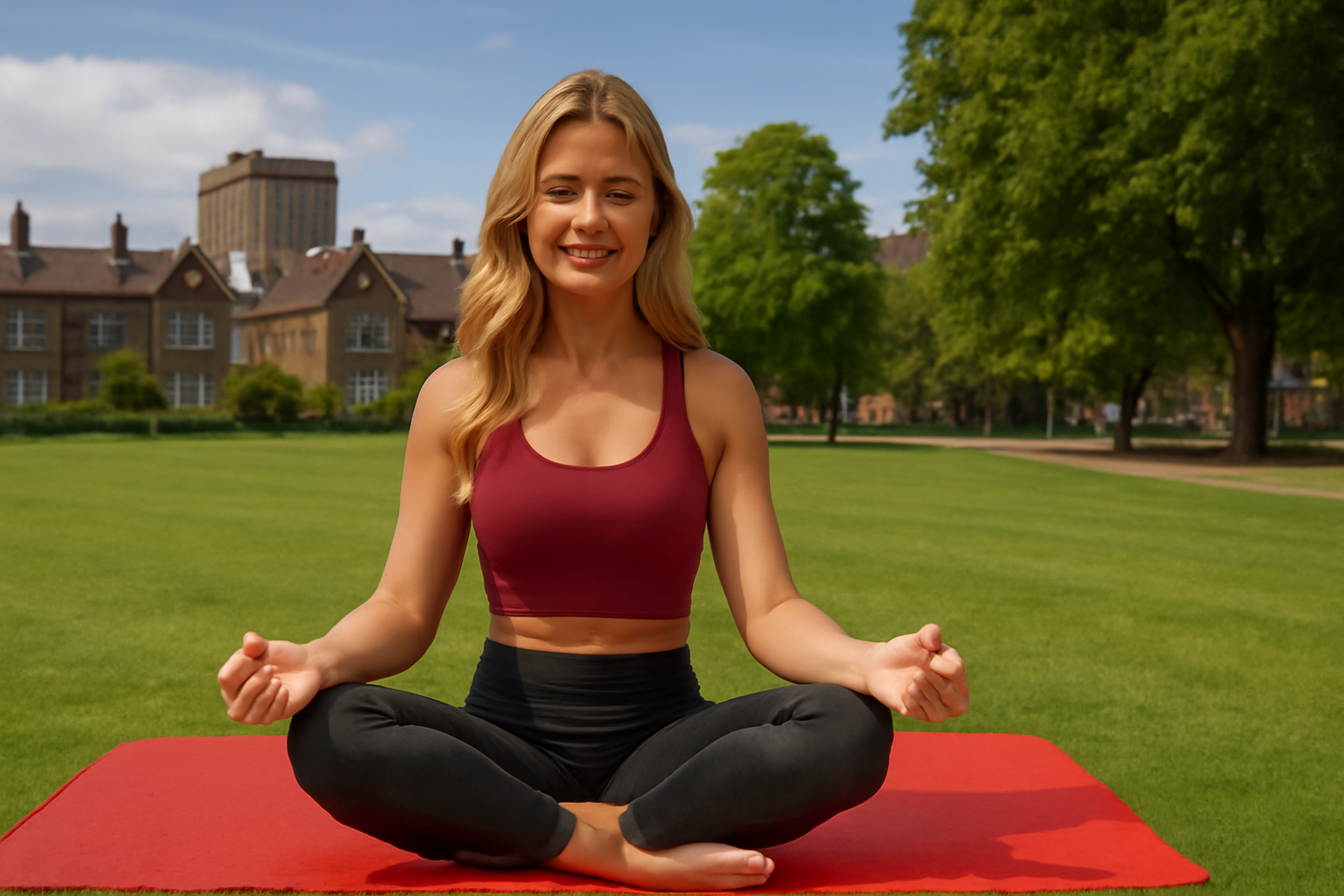
Choosing the right yoga mat can make a big difference, especially for beginners. If you're new to yoga, comfort and stability are key to a great practice. That’s where the red yoga mat comes in. It’s not just about a pop of color—it’s about finding a mat that feels right for your body and supports your practice from the start.
A good yoga mat should offer the right grip, cushioning, and size for beginners. A red yoga mat can help you stand out in your practice while providing the stability you need. Getting a mat that keeps you comfortable is important so you can focus on your poses, not on slipping or discomfort.
In this guide, we’ll explain what to look for in the best red yoga mat for beginners in 2025. We’ll share expert tips and product recommendations, helping you find the perfect mat to start your yoga journey. By the end of this guide, you’ll have the knowledge to choose a red yoga mat that works for you.
Why the Right Yoga Mat Matters for Beginners
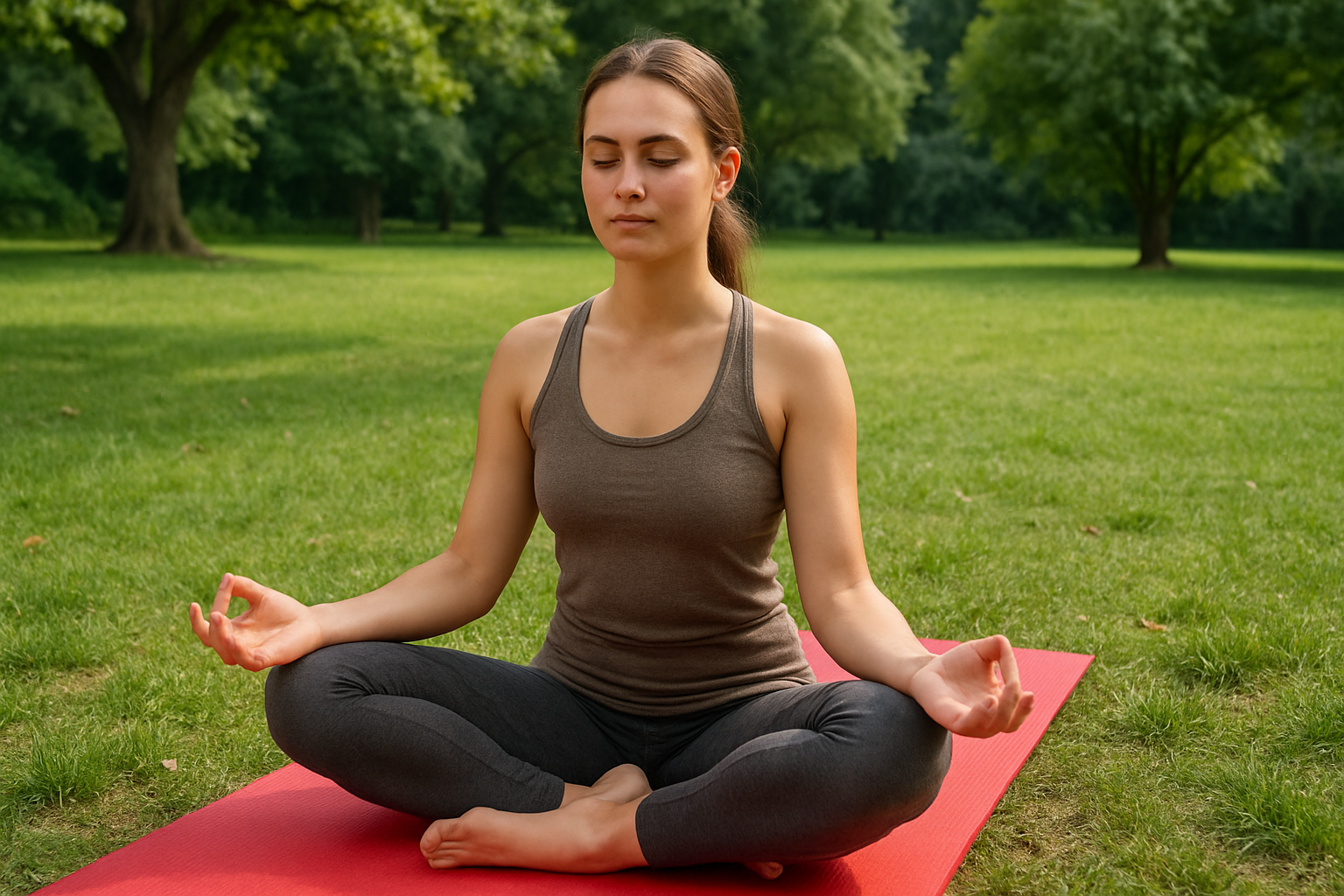
When you're new to yoga, choosing the right mat is crucial. It might seem like another accessory, but your yoga mat can play a huge role in your practice. The right mat helps with stability, comfort, and safety, making it easier to focus on your poses than worrying about slipping or discomfort.
For beginners, a good yoga mat offers more than just a surface to practice on. It gives you the support you need for your body’s alignment and movements. A mat that’s too thin or too slippery can strain your joints or even lead to injury. The right mat should cushion your body while providing a solid grip to help you maintain your balance.
In particular, a red yoga mat can be an excellent choice for beginners. Its bright color often symbolizes energy and confidence, perfect for those just starting their journey. But beyond aesthetics, a high-quality red yoga mat provides essential features like thickness, grip, and durability. These factors make a real difference in how you feel during your practice, which is why it's important to invest in a good mat.
Choosing the right mat sets you up for success from the start. A comfortable, stable mat allows you to focus more on your poses and less on adjusting your position. This helps build confidence in your practice, allowing you to improve and grow over time.
Key Features to Look for in the Best Red Yoga Mat for Beginners
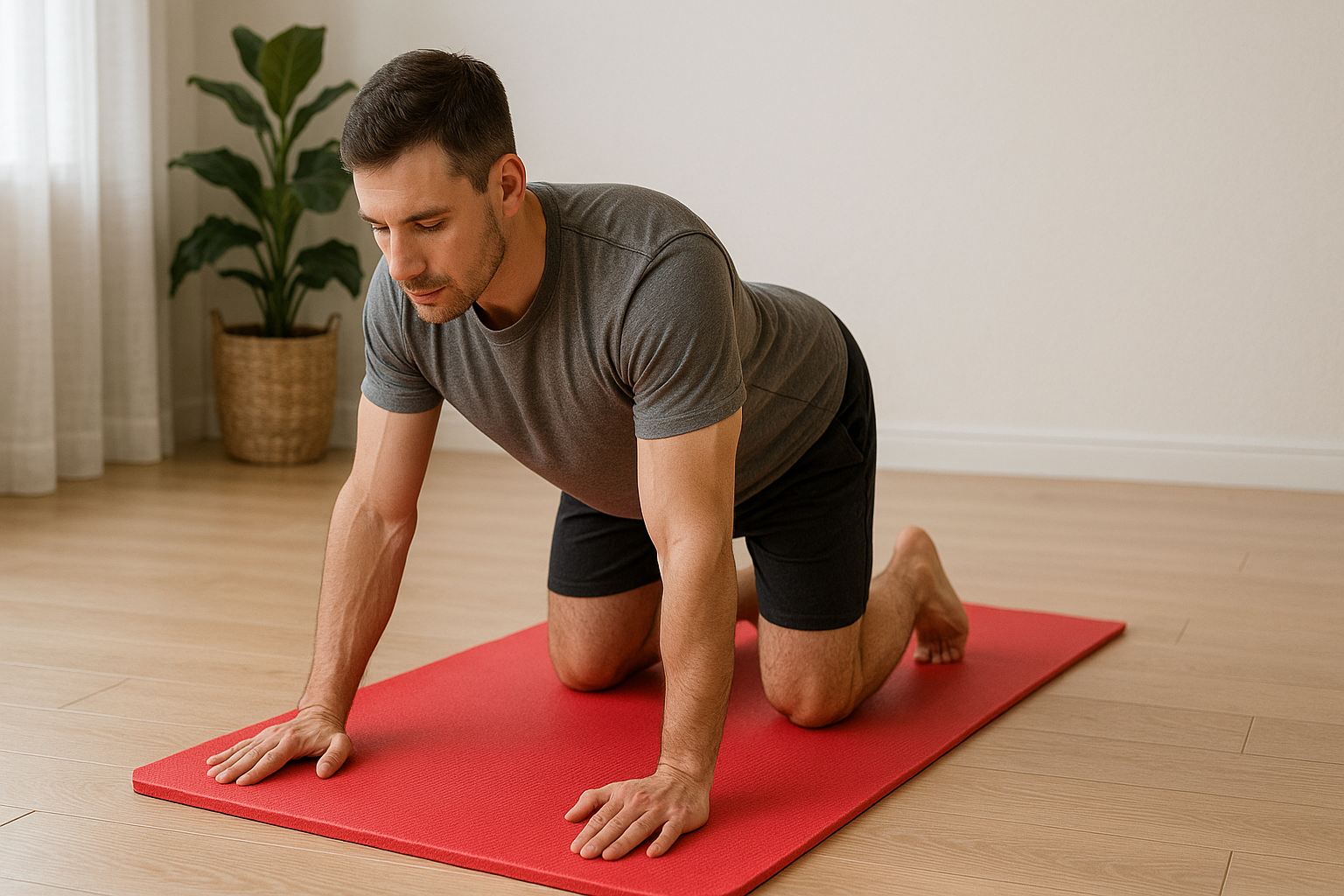
When you buy a red yoga mat, choosing one that fits your needs is important. A good mat can make a big difference in your practice. Here’s what to look for:
1. Thickness and Cushioning
A mat that’s too thin can hurt your joints. For beginners, a mat with some cushioning is important. Most mats are around 1/4 to 1/2 inch thick. This thickness helps protect your knees, elbows, and wrists during poses. If you have sensitive joints, choose a thicker mat. If you prefer stability for standing poses, go for a thinner one.
2. Grip and Traction
Slipping on a mat can be dangerous. A good mat has a non-slip surface. This will keep you stable during your practice. Look for mats made from materials like TPE or PVC. These materials give your mat the grip you need. A mat with good traction also helps prevent injuries as you practice.
3. Material
The material affects your mat’s comfort, durability, and eco-friendliness. PVC mats are affordable and durable, but less eco-friendly. TPE mats are light, non-toxic, and better for the environment. Natural rubber mats offer excellent grip and last long, but may be heavier. Choose a material that fits your values and needs.
4. Portability
If you take your mat to yoga classes, portability is key. Choose a lightweight mat. Some mats come with straps or bags for easy carrying, making your yoga routine more convenient, especially if you travel often.
5. Durability and Easy Maintenance
You want a mat that lasts. Look for one made from durable material. Mats that are easy to clean are a bonus. Many mats can be wiped down after each use, keeping them fresh for longer.
6. Size
Mats come in different sizes. Standard mats are 68 inches long, but taller people may prefer a longer mat. A longer mat gives you more space to move freely. This is helpful during stretches and full-body poses.
With these features, you can find the best red yoga mat for your practice. A good mat will help you stay comfortable, stable, and safe as you grow in yoga.
Top 5 Red Yoga Mats for Beginners in 2025
Choosing the right red yoga mat can feel like a big task, but it doesn't have to be. Here are five of the best red yoga mats for beginners in 2025. These mats are comfortable, durable, and easy to use. They will help you get the most out of your practice.
1. Liforme Red Yoga Mat
- Material: Natural rubber (eco-friendly)
- Thickness: 1/4 inch (6mm)
- Best For: Comfort and grip
Why It's Great: The Liforme Red Yoga Mat is made from eco-friendly natural rubber. Its non-slip surface is perfect for beginners. The extra thickness provides cushion for your joints, especially your knees and elbows. This mat is durable and great for long-term use.
2. Gaiam Essentials Red Yoga Mat
- Material: PVC (non-toxic)
- Thickness: 1/4 inch (6mm)
- Best For: Budget-friendly beginners
Why It's Great: Gaiam Essentials is a great option for those on a budget. It’s durable and provides a good grip for practice. It’s also lightweight and easy to carry, making it perfect for beginners. The non-toxic PVC material ensures safety for everyday use.
3. Manduka PRO Red Yoga Mat
- Material: Closed-cell PVC material
- Thickness: 1/2 inch (12mm)
- Best For: Durability and long-term use
Why It's Great: The Manduka PRO Red Yoga Mat is built to last. It’s thicker than many mats, giving extra cushion for sensitive joints. Though heavier than others, its durability makes it worth the investment. It’s easy to clean and will hold up well over time.
4. Jade Yoga Harmony Red Mat
- Material: Natural rubber
- Thickness: 3/8 inch (9.5mm)
- Best For: Eco-friendly beginners
Why It's Great: The Jade Yoga Harmony Red Mat is eco-friendly and made from natural rubber. It offers excellent grip and stability, which is great for beginners. It also has great cushioning for comfort. Jade Yoga plants a tree for every mat sold, which helps the environment.
5. BalanceFrom GoYoga Red Mat
- Material: High-density foam (PVC)
- Thickness: 1/2 inch (12mm)
- Best For: Comfort and extra cushioning
Why It's Great: The BalanceFrom GoYoga Red Mat is thick and cushioned, making it perfect for beginners who want extra comfort. It offers great support for your joints, especially during floor exercises. The mat is lightweight and easy to carry around.
These five red yoga mats offer a range of options to suit your needs. Whether you’re looking for extra cushion, eco-friendly materials, or durability, you can find a mat that fits your practice. Choose the one that works best for you and enjoy your yoga journey.
How to Choose the Best Red Yoga Mat for Your Needs
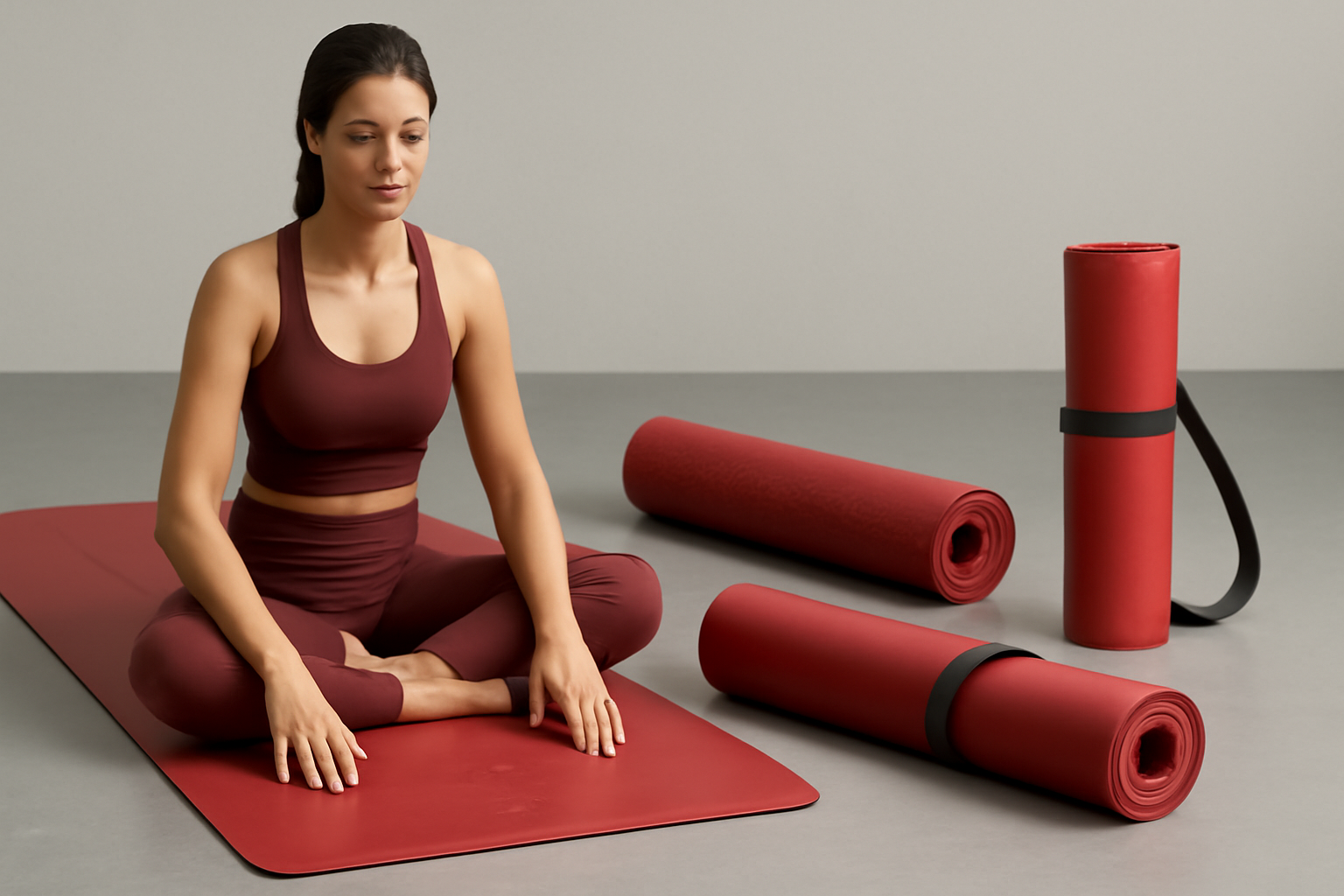
Choosing the best red yoga mat doesn’t have to be complicated. By focusing on a few key factors, you can find the mat that best suits your practice and helps you feel confident in your poses. Here’s a simple guide to help you make the right choice:
1. Consider Your Comfort Needs
If you’re new to yoga, comfort is key. A mat with enough thickness can cushion your body, especially for poses where you’re on your knees, elbows, or spine. Look for mats between 1/4 inch and 1/2 inch thick, depending on how much cushioning you prefer. If you have sensitive joints, opt for a thicker mat for added comfort.
2. Check for Proper Grip
Grip is one of the most important factors for beginners. A non-slip mat keeps you stable and prevents sliding, especially during poses like Downward Dog or Warrior. Look for mats made from materials like TPE, PVC, or rubber, which offer great traction. Make sure the mat’s texture matches your needs for grip, whether you prefer a smooth surface or a textured one.
3. Material Matters
The material of your red yoga mat affects its feel, durability, and eco-friendliness. PVC mats are durable and easy to clean but aren’t as eco-friendly. TPE mats are non-toxic and lightweight, making them a great eco-friendly option. Natural rubber mats offer excellent grip but can be heavier and may have a distinct smell. Choose a material that matches your values, comfort preferences, and practice style.
4. Portability
Portability matters if you plan to take your mat to classes or travel with it. Lightweight mats that come with carrying straps or bags make transportation easy. If you’re frequently on the go, choose a mat that’s easy to roll up and carry. A mat that weighs too much might be difficult to take to and from yoga classes.
5. Durability
You want a mat that will last. Consider how often you practice yoga and how rough you are on your mat. Some mats are designed to last many years, even daily. Look for mats made from high-quality materials resistant to wear and tear. Remember that some mats may show signs of use faster than others, especially if you practice frequently.
6. Size
A standard yoga mat is usually 68 inches long, but if you're taller than average, consider a mat that’s 72 inches or longer. A longer mat gives you more space to move, especially during stretches. It also provides enough room for your whole body, from head to toe, to stay aligned properly during different poses.
By considering these points, you can choose the perfect red yoga mat for your practice. Focus on the features that are most important to you—comfort, grip, portability, and durability—and you’ll be well on your way to a better yoga experience.
Frequently Asked Questions (FAQ)
Here are answers to some common questions beginners have when choosing a red yoga mat.
1. How thick should a yoga mat be for beginners?
A mat about 1/4 inch (6mm) thick works well for most beginners. It gives a good mix of comfort and support. Consider a thicker mat (1/2 inch or 12mm) for extra cushioning if you have sensitive joints.
2. Are red yoga mats better than other colors?
The color doesn’t impact performance. But red can boost your energy and focus. It’s a color linked with strength and motivation. If you like the color, it can be a great choice for your practice.
3. What is the best material for a red yoga mat?
It depends on your needs. Natural rubber is eco-friendly, durable, and provides a great grip. TPE mats are non-toxic and light. PVC mats are affordable and durable, but are less eco-friendly. Pick the material that fits your values and comfort.
4. Can I use a red yoga mat for all types of yoga?
Yes, you can. A red yoga mat works well for Hatha, Vinyasa, Hot Yoga, and more. The key is to choose a mat that gives you enough grip, comfort, and support for your practice.
5. How do I clean and maintain my red yoga mat?
Wipe your mat down after use with a damp cloth and mild soap. For deep cleaning, use a vinegar-water solution or a mat cleaner. Regular cleaning keeps your mat fresh and safe for your practice.
Final Thoughts
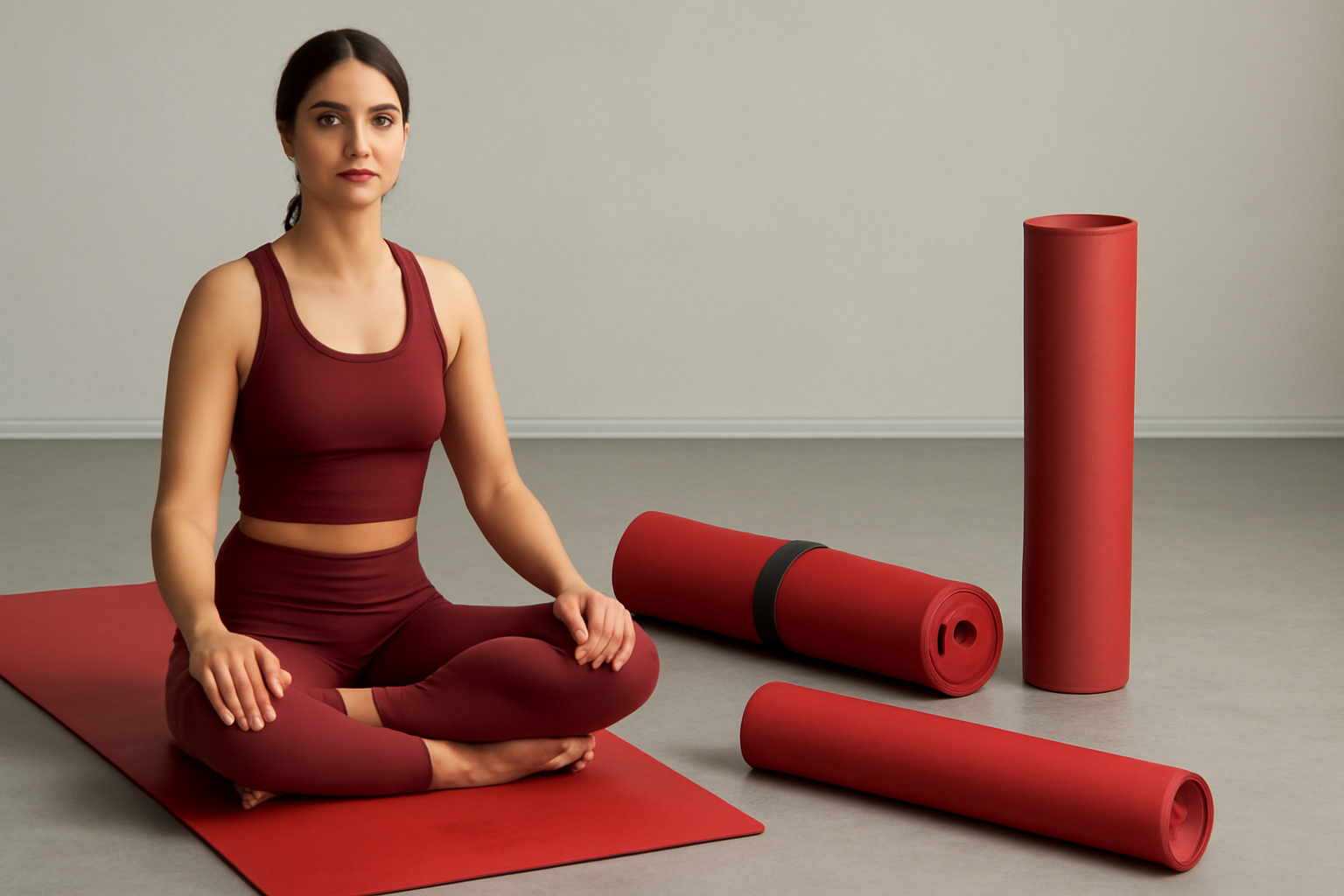
Selecting the right red yoga mat is about finding what works best for you. Whether you’re just starting out or looking to upgrade, the right mat can make all the difference in your practice. Focus on the most important features—comfort, grip, and durability. With these factors in mind, you can choose a mat that supports your practice and helps you feel confident on your yoga journey.
At Hamilton Home Fitness, we understand how important it is to have the right equipment for your fitness goals. That's why we offer a range of high-quality, durable yoga mats designed to provide the support and comfort you need. Our products make you feel confident knowing you're getting the best for your practice and home fitness routine.
So, take the next step in your yoga journey with a mat that suits your needs. Whether you choose a red yoga mat or any other color, make sure it supports your body, helps you stay focused, and enhances your overall experience. Remember, consistency is key to seeing progress, so invest in the right tools to set yourself up for success.