
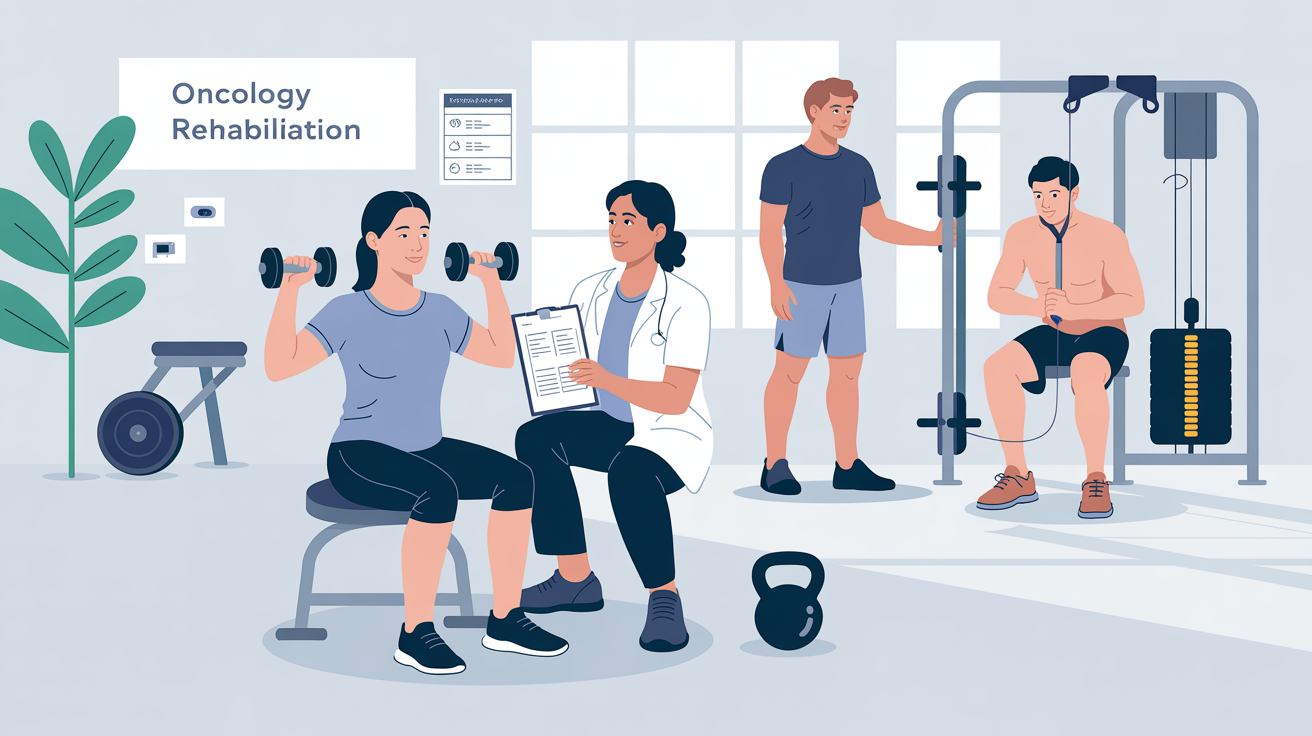
Cancer is one of the leading causes of mortality worldwide, with various forms affecting different organs and systems. Each year, millions of people are diagnosed with types of cancer such as breast cancer, lung cancer, and thoracic malignancies. While early detection and advancements in medical treatment, such as surgery by a Breast Cancer Surgeon or a Thoracic Surgeon, have significantly improved survival rates, the journey to recovery is long and challenging. Often, the focus of treatment is solely on eradicating the cancer through surgery, chemotherapy, or radiation therapy. However, there is growing evidence that post-treatment rehabilitation plays a crucial role in improving the quality of life and helping patients regain strength and function. One area that has shown promising results in enhancing recovery is strength training.
In this article, we explore how strength training can positively impact cancer recovery, particularly in the aftermath of surgeries, and how it fits into a comprehensive rehabilitation plan. Additionally, we will examine how this rehabilitative approach can be supported by cancer treatments and therapies, providing a holistic pathway to recovery and overall wellness.
The Role of a Breast Cancer Surgeon and Thoracic Surgeon in Cancer Treatment
When it comes to treating cancer, early detection and targeted interventions are key. A Breast Cancer Surgeon, specializing in the surgical removal of tumors, plays a critical role in the management of breast cancer. Whether through mastectomies or lumpectomies, the surgical options available are designed to remove cancerous cells and prevent the spread of the disease. Similarly, a Thoracic Surgeon handles cancers that affect the lungs, chest wall, or mediastinum. Their role in treating lung cancer, esophageal cancer, and other thoracic conditions is equally critical, often involving complex procedures to remove tumors or affected tissues.
While surgery is vital for cancer treatment, it’s important to understand that it does not represent the end of the healing process. Post-surgical rehabilitation becomes essential, especially in cancer patients who experience significant fatigue, muscle loss, and physical deconditioning due to the disease and its treatment.
Why Cancer Rehabilitation Matters
Cancer rehabilitation focuses on restoring a patient's physical strength and mental well-being after the intensive treatment process. Many cancer survivors face long-term challenges such as fatigue, weakened muscles, joint pain, and limited mobility. In the case of breast cancer patients, the loss of breast tissue due to surgery can also affect the body's posture and muscle function, while thoracic cancer patients may experience breathing difficulties, reduced lung capacity, or upper body muscle weakness.
The goal of rehabilitation is not only to address these issues but also to help the patient regain their independence and improve their quality of life. While physical therapy and counseling can be part of this recovery, strength training is one of the most effective ways to rebuild muscle mass, improve cardiovascular health, and enhance overall stamina after cancer treatment.
How Strength Training Supports Cancer Recovery
Strength training is a form of exercise that involves exerting muscles against resistance, which can help build muscle mass, improve bone density, and increase stamina. For cancer patients, incorporating strength training into their recovery process can provide numerous benefits:
Muscle Restoration and Preservation
Cancer treatments such as chemotherapy and radiation therapy can cause muscle wasting (cachexia) and significant fatigue. Strength training helps counteract muscle loss by stimulating muscle growth and preservation. After surgery, especially in breast cancer and thoracic cancer patients, rebuilding muscle strength is essential for regaining mobility and independence.Improved Immune Function
Regular exercise, including strength training, is known to boost immune function, which can be significantly weakened by cancer treatment. A stronger immune system enables the body to better fight off infections and illnesses, which is crucial for cancer patients recovering from treatment.Enhanced Energy and Reduced Fatigue
Cancer-related fatigue is one of the most common and debilitating side effects of treatment. Studies have shown that engaging in regular physical activity, including resistance training, can alleviate fatigue and improve energy levels. By gradually increasing the intensity and duration of exercise, patients can reduce the sense of tiredness that often plagues them after cancer treatments.Bone Health and Joint Mobility
Patients who undergo cancer treatments such as chemotherapy or radiation are often at an increased risk of bone loss and fractures. Strength training helps strengthen bones by increasing bone density, thus reducing the risk of osteoporosis. Additionally, it improves joint function, allowing patients to move more freely without pain or stiffness.Mental Health Benefits
The emotional toll of cancer treatment is often underestimated. Many cancer patients experience feelings of depression, anxiety, and post-traumatic stress disorder (PTSD). Strength training has been shown to release endorphins, which are the body's natural mood elevators. Regular physical activity, including strength training, can boost a cancer patient's mental well-being by reducing anxiety and improving mood.
Strength Training and Cancer: A Neurological Perspective
As discussed in the blog titled How Strength Training Rewires the Brain: A Neurologic Perspective on Resistance and Recovery, strength training has a profound effect on the brain, particularly in the context of neuroplasticity. Neuroplasticity is the brain's ability to reorganize itself by forming new neural connections. For cancer patients, this process is particularly important in restoring cognitive function and improving overall brain health after the cognitive decline that often accompanies chemotherapy and radiation.
The effects of chemotherapy on the brain, often referred to as "chemo brain," can include memory problems, difficulty concentrating, and a general sense of mental fog. Strength training has been shown to counteract these effects by promoting neurogenesis (the formation of new neurons) and improving synaptic plasticity (the strength of the connections between neurons). This helps cancer survivors regain mental clarity and cognitive function, essential for a successful recovery process.
Personalized Strength Training Plans for Cancer Survivors
Every cancer patient’s journey is different, and as such, strength training programs must be tailored to the individual's specific needs and recovery goals. For some, post-treatment rehabilitation may involve low-impact exercises, such as light resistance training or yoga, while others may be ready for more intense strength-building routines. A personalized plan should be designed by a physical therapist or exercise physiologist with experience in cancer rehabilitation.
Breast cancer patients may focus on regaining strength in the upper body, including exercises to strengthen the shoulders, arms, and chest. Thoracic cancer patients, particularly those recovering from lung surgery, may benefit from breathing exercises, along with strength training focused on rebuilding lung capacity and chest strength.
Integrating Strength Training into Cancer Recovery
Strength training should not be seen as an isolated approach but rather as part of a comprehensive cancer recovery plan. Cancer patients should work closely with their healthcare team including oncologists, physical therapists, and dietitians to develop an exercise plan that complements their treatment and addresses any specific physical challenges they may be facing. Incorporating strength training into the rehabilitation process can lead to improved recovery, a higher quality of life, and a greater sense of empowerment during the healing journey.
Final Thoughts
The journey of cancer treatment and recovery is long and complex, but with the right support, patients can regain strength, function, and vitality. Integrating strength training into cancer recovery has proven benefits not only for physical health but also for mental well-being and cognitive function. Combining the expertise of a Breast Cancer Surgeon or a Thoracic Surgeon with a comprehensive rehabilitation plan that includes strength training can provide cancer patients with the best chance for a successful recovery.
By focusing on the holistic aspects of recovery physical, emotional, and neurological cancer survivors can emerge from treatment not just as survivors but as empowered individuals who have regained control over their health and well-being.