As fitness enthusiasts continue to seek versatile and effective workout options, functional trainers have emerged as a popular choice. But the question remains: can they really replace traditional gym equipment? This blog explores the capabilities of functional trainers and compares them with conventional machines to help you make an informed decision about your fitness routine.
Understanding Functional Trainers
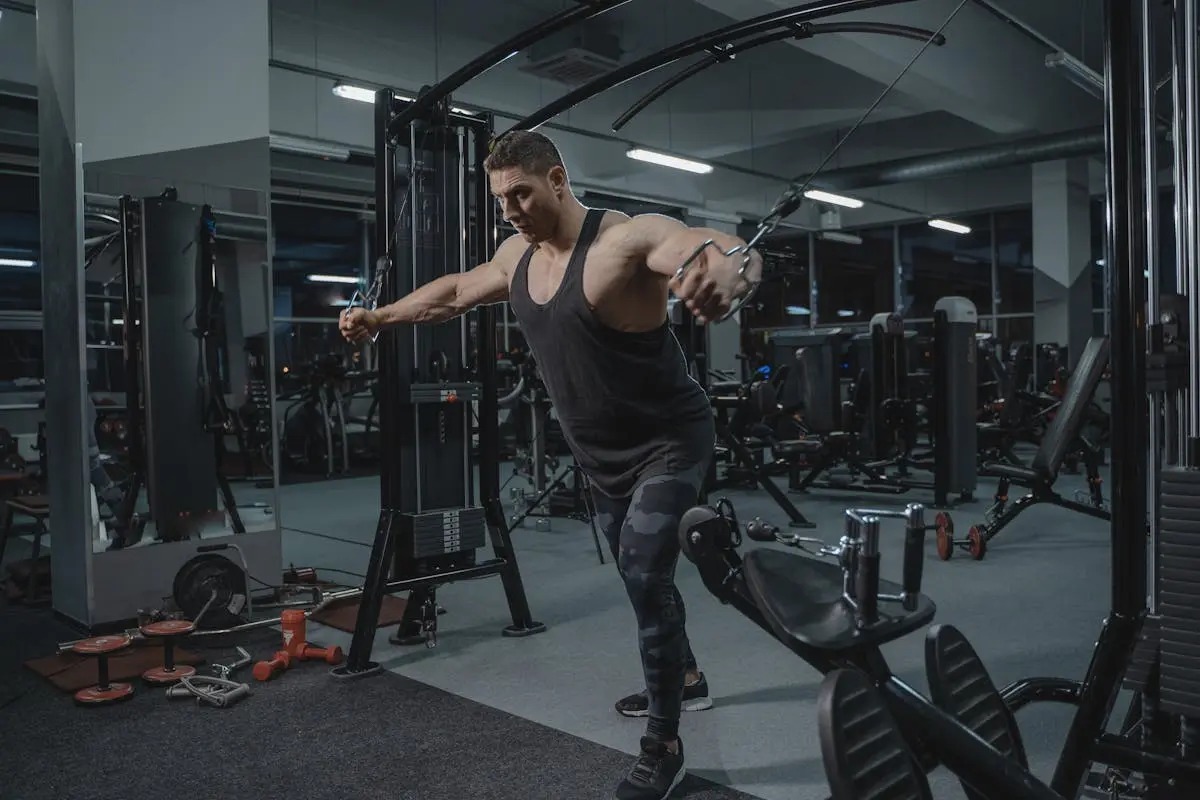
Functional trainers are versatile exercise machines that allow users to perform a wide range of exercises using cables and adjustable attachments, promoting functional fitness.
Unlike traditional gym machines that typically focus on isolating specific muscles, functional trainers encourage movements that mimic everyday activities. This approach not only improves strength but also enhances agility and balance.
Furthermore, functional trainers provide an opportunity to engage multiple muscle groups simultaneously. For instance, exercises like cable twists or lunges with a cable attachment involve multiple joints and muscles, leading to a more integrated workout experience.
Many functional trainers also come with adjustable heights and angles, allowing users to customize their workouts. This adaptability makes them suitable for various fitness levels, from beginners to seasoned athletes, ensuring that everyone can benefit.
Advantages of Functional Trainers
Functional trainers offer numerous benefits, including versatility, improved muscle coordination, and the ability to perform multi-plane movements.
One key advantage is the ability to diversify your workouts. With functional trainers, you can perform a multitude of exercises such as squats, presses, and pulls without the need for multiple bulky machines. This saves space and enhances your workout variety.
Moreover, functional trainers help in functional strength development. This type of strength is essential for various physical activities in daily life, such as lifting heavy objects, climbing stairs, or playing sports. Therefore, investing in a functional trainer means investing in enhanced daily performance.
Additionally, functional trainers can also lead to improved core stability. Since many exercises involve balance and coordination, using these machines effectively trains the core muscles, aiding in overall stability and posture.
In summary, the advantages of functional trainers make them a valuable addition to any fitness regimen, fostering not only muscle strength but also coordination and functional performance.
Limitations of Functional Trainers
While functional trainers are beneficial, they may not provide the same muscle isolation that traditional equipment offers for certain exercises, which is essential for targeted strength training.
For example, if you're focusing on building specific muscle groups, traditional machines like leg presses or bench presses are designed exclusively for that purpose. Functional trainers might require more skill and body awareness to effectively target particular areas.
Moreover, some users might initially struggle with the range of motion and coordination required to use functional trainers effectively. This learning curve can be discouraging for beginners who may feel out of their element compared to using simpler, traditional machines.
In addition, while functional trainers offer versatility, they may not replicate certain resistance training movements with the same efficiency. If your primary goal is to increase in size or strength through body part isolation, you might find that traditional equipment still holds its own.
Comparing Functional Trainers and Traditional Equipment
This section examines the differences in functionality, workout variety, and user experience between functional trainers and traditional gym equipment.
Functional trainers excel in providing a more dynamic workout, appealing to those who seek to engage their bodies in a way that mirrors daily activities. Unlike traditional machines, they allow for fluidity of movement and integration of multiple muscle groups.
In contrast, traditional equipment often offers a stable, controlled experience, which can be appealing for those who prefer a focused discipline. This means those who enjoy strict weightlifting techniques may find traditional machines invaluable for isolating muscle groups.
Furthermore, while functional trainers foster creativity in workouts, they can sometimes do so at the expense of straightforwardness. If you thrive on routine and specific goals, traditional equipment’s clear delineation of exercises might better align with your needs.
Ultimately, the choice comes down to personal preference. Some individuals might find the kinetic engagement functional trainers offer to be exhilarating, while others may feel more secure using traditional machines.
Choosing What's Best for You
Ultimately, the decision to replace traditional gym equipment with functional trainers depends on your individual fitness goals, preferences, and workout style.
If you’re someone who enjoys variety and functional movements, then integrating a functional trainer into your regimen could be a game changer. These machines can help keep workouts exciting and engaging.
Conversely, if your primary aim is bodybuilding or lifting specific weights, sticking with traditional equipment may be more effective. Each option has its unique advantages tailored to distinct workout philosophies.
It may also be beneficial to consider incorporating both styles into your fitness routine. A balanced approach could maximize benefits, allowing you to enjoy the strength-building of traditional machines while taking advantage of the versatility of functional trainers.
Testing out both functional trainers and traditional equipment can shed light on what works best for your body and your goals, so don’t hesitate to explore and find your perfect fit.
Final Thoughts
In conclusion, functional trainers offer a versatile and dynamic workout experience that can complement or even replace certain traditional gym equipment. However, the best choice ultimately depends on your personal fitness goals, preferences, and workout style. Consider your objectives, and try out both options to determine what best suits your needs.