
• Sign Up
  • Log In
  • Blog
  • Checkout
HAMILTON HOME FITNESS
Shop All
  • Commercial
  • Power Racks & Cages
  • Cardio Equipment
  • Free Weights
  • Book a Gym Design
  • Weight Benches
  • Body Weights
  • Rehab
  • Resistance
  • Cross Training
  • Home Workout Machines
  • Yoga
  • Accessories
  • Merchandise
  • Used Gym Equipment
  • Commercial
  • Power Racks & Cages
  • Cardio Equipment
  • Free Weights
  • Book a Gym Design
  • Weight Benches
  • Body Weights
  • Rehab
  • Resistance
  • Cross Training
  • Home Workout Machines
  • Yoga
  • Accessories
  • Merchandise
  • Used Gym Equipment

Shop By Category:

  • Commercial
  • Power Racks & Cages
  • Cardio Equipment
  • Free Weights
  • Book a Gym Design
  • Weight Benches
  • Body Weights
  • Rehab
  • Resistance
  • Cross Training
  • Home Workout Machines
  • Yoga
  • Accessories
  • Merchandise
  • Used Gym Equipment
Home > Blog > Can Beginners Use Pull Up Towers Safely?

Can Beginners Use Pull Up Towers Safely?

Can Beginners Use Pull Up Towers Safely?
Connor Hamilton
September 26th, 2024

Pull up towers can be a great addition to any beginner's fitness routine, but safety should always come first. In this blog, we will explore how beginners can use pull up towers safely while building strength and confidence in their workouts.

Understanding Pull Up Towers

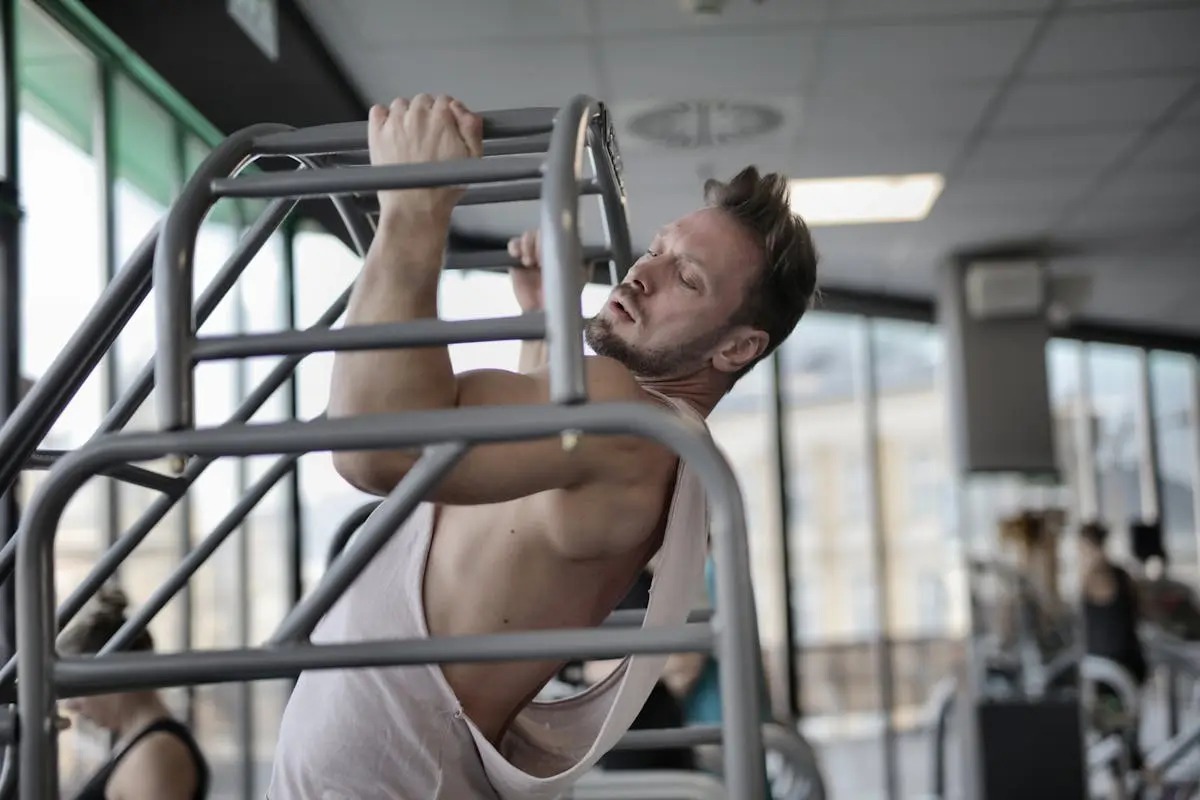
Pull up towers are versatile fitness tools that provide support for a range of exercises. They generally feature horizontal bars at varying heights that allow users to perform pull-ups, chin-ups, and other scalable workouts.

One of the primary benefits of using pull up towers is their ability to enhance upper body strength. For beginners, engaging with these towers regularly can result in increased muscle tone, particularly in the arms, shoulders, and back.

Additionally, pull up towers help improve grip strength, an often-overlooked component of personal fitness. A stronger grip can enhance overall performance in numerous exercises and activities.

Moreover, the stability and design of pull up towers can accommodate users of different sizes and fitness backgrounds, making them an inclusive choice for diverse workout routines.

Assessing Your Fitness Level

Before engaging with pull up towers, it’s crucial to honestly assess your fitness level. This involves understanding where you currently stand in terms of strength and capabilities.

Consider factors such as your experience with strength training, your body weight, and any existing physical limitations. These components will significantly influence which exercises you start with.

Self-assessment can lead to safer practice. For example, if you are a complete novice to workouts, jumping into advanced exercises may pose risks and lead to injuries.

Start with simpler moves; this not only fosters confidence but also allows your body to adapt progressively to new challenges, paving the way for more complex exercises later on.

Proper Setup and Safety Checks

Setting up your pull up tower correctly is a foundation for a safe workout. Always ensure that it is placed on a stable and flat surface, minimizing any risk of tipping or sliding.

It’s also important to check that the tower is securely assembled. Look for any loose screws or bolts, and give it a shake to ensure stability before climbing.

Additionally, keeping the area around your pull up tower clear of obstacles can prevent unnecessary accidents. This ensures you have ample space to move safely while performing exercises.

Lastly, consider wearing appropriate footwear and gear during your workouts. Proper shoes can help enhance stability and support, reducing the likelihood of slips.

Start with Basic Exercises

As a beginner, starting with basic exercises on your pull up tower is essential. Exercises like assisted pull-ups or knee raises can help you build the strength needed to progress.

You can also incorporate isometric holds, where you simply hold the pull-up position for a designated amount of time. This exercise can strengthen your muscles while enhancing endurance.

Don’t forget about bodyweight exercises, such as push-ups or dips, which can also be performed with certain pull up tower designs. This variety keeps workouts engaging while working multiple muscle groups.

Remember to gradually increase the intensity of your workouts as you grow stronger. Listening to your body throughout this journey will ensure sustainable progress.

Listening to Your Body

One of the most crucial aspects of any workout plan is learning to listen to your body. This includes recognizing signs of fatigue or discomfort during your sessions on the pull up tower.

If you feel pain, it's important to take a step back. Pushing through discomfort can lead to injuries, which may set back your progress significantly.

Equally critical is the need to take regular breaks. Allowing your body to recuperate helps prevent overtraining and enhances performance long-term.

Lastly, be patient with yourself. Progress in fitness is often a marathon, not a sprint. Enjoy each small gain, and before long, you will find the confidence to tackle even the most challenging exercises on your pull up tower.

Final Thoughts on Safe Use of Pull Up Towers

By following proper guidelines and focusing on gradual progression, beginners can safely enjoy the benefits of pull up towers. With a little patience and practice, you can incorporate them into your fitness journey effectively.

Secure Payments

Information

  • About Us
  • Contact Us
  • Shipping & Returns
  • Privacy Policy
  • Terms & Conditions
  • FAQ
  • Testimonials

My Account

  • My Account
  • Order History
  • Track Orders
  • Address Book

Connect With Us

  • Twitter
  • Facebook
  • Pinterest
  • Instagram
  • Youtube
HAMILTON HOME FITNESS
Wellness Magazine
ourrescue.com
world vision
© HAMILTON HOME FITNESS. All Rights Reserved.
Our website uses cookies to make your browsing experience better. By using our site you agree to our use of cookies. Learn More I Agree
× What Are Cookies As is common practice with almost all professional websites this site uses cookies, which are tiny files that are downloaded to your computer, to improve your experience. This page describes what information they gather, how we use it and why we sometimes need to store these cookies. We will also share how you can prevent these cookies from being stored however this may downgrade or 'break' certain elements of the sites functionality. For more general information on cookies see the Wikipedia article on HTTP Cookies. How We Use Cookies We use cookies for a variety of reasons detailed below. Unfortunately in most cases there are no industry standard options for disabling cookies without completely disabling the functionality and features they add to this site. It is recommended that you leave on all cookies if you are not sure whether you need them or not in case they are used to provide a service that you use. Disabling Cookies You can prevent the setting of cookies by adjusting the settings on your browser (see your browser Help for how to do this). Be aware that disabling cookies will affect the functionality of this and many other websites that you visit. Disabling cookies will usually result in also disabling certain functionality and features of the this site. Therefore it is recommended that you do not disable cookies. The Cookies We Set
Account related cookies If you create an account with us then we will use cookies for the management of the signup process and general administration. These cookies will usually be deleted when you log out however in some cases they may remain afterwards to remember your site preferences when logged out. Login related cookies We use cookies when you are logged in so that we can remember this fact. This prevents you from having to log in every single time you visit a new page. These cookies are typically removed or cleared when you log out to ensure that you can only access restricted features and areas when logged in. Form related cookies When you submit data to through a form such as those found on contact pages or comment forms cookies may be set to remember your user details for future correspondence. Site preference cookies In order to provide you with a great experience on this site we provide the functionality to set your preferences for how this site runs when you use it. In order to remember your preferences we need to set cookies so that this information can be called whenever you interact with a page is affected by your preferences.
Third Party Cookies In some special cases we also use cookies provided by trusted third parties. The following section details which third party cookies you might encounter through this site.
This site uses Google Analytics which is one of the most widespread and trusted analytics solution on the web for helping us to understand how you use the site and ways that we can improve your experience. These cookies may track things such as how long you spend on the site and the pages that you visit so we can continue to produce engaging content. For more information on Google Analytics cookies, see the official Google Analytics page. We also use social media buttons and/or plugins on this site that allow you to connect with social network in various ways. For these to work, the social networks may set cookies through our site which may be used to enhance your profile on their site, or contribute to other purposes outlined in their respective privacy policies.