
• Sign Up
  • Log In
  • Blog
  • Checkout
HAMILTON HOME FITNESS
Shop All
  • Commercial
  • Power Racks & Cages
  • Cardio Equipment
  • Free Weights
  • Book a Gym Design
  • Weight Benches
  • Body Weights
  • Rehab
  • Resistance
  • Cross Training
  • Home Workout Machines
  • Yoga
  • Accessories
  • Merchandise
  • Used Gym Equipment
  • Commercial
  • Power Racks & Cages
  • Cardio Equipment
  • Free Weights
  • Book a Gym Design
  • Weight Benches
  • Body Weights
  • Rehab
  • Resistance
  • Cross Training
  • Home Workout Machines
  • Yoga
  • Accessories
  • Merchandise
  • Used Gym Equipment

Shop By Category:

  • Commercial
  • Power Racks & Cages
  • Cardio Equipment
  • Free Weights
  • Book a Gym Design
  • Weight Benches
  • Body Weights
  • Rehab
  • Resistance
  • Cross Training
  • Home Workout Machines
  • Yoga
  • Accessories
  • Merchandise
  • Used Gym Equipment
Home > Blog > How Do I Properly Set Up a Squat Rack?

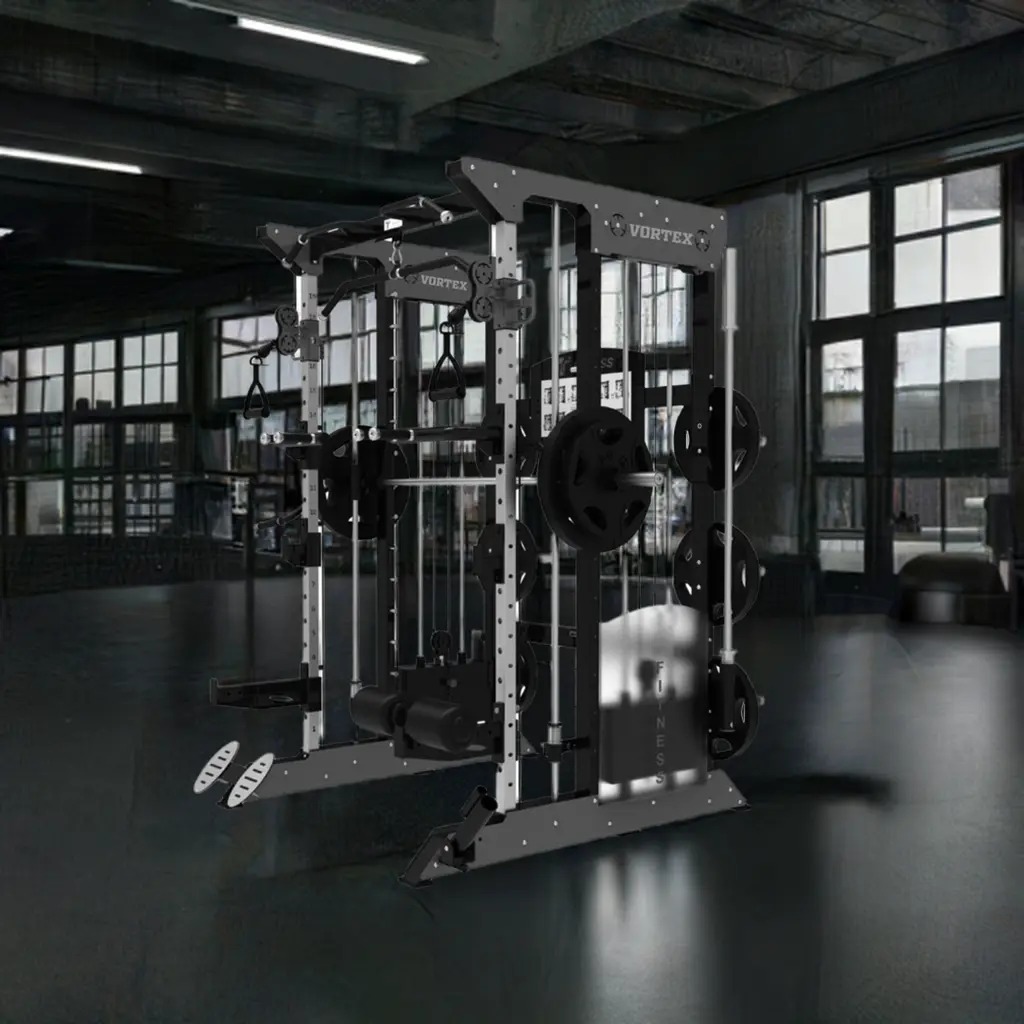
How Do I Properly Set Up a Squat Rack?

How Do I Properly Set Up a Squat Rack?
Connor Hamilton
September 9th, 2024

Step 1: Choosing the Right Location

When setting up your squat rack, the first crucial step is selecting the right location. You'll want an area with sufficient space around the rack for your movements during exercises. Ensure the floor is level and can support the weight of the rack and the weights you'll be using. It's best to pick a spot with good lighting and ventilation to create a comfortable workout environment.

Consider the flooring in the chosen spot; it should be stable and non-slip to prevent accidents. If you're setting up the squat rack in a home gym, check the ceiling height to confirm it accommodates the rack and your height during exercises like overhead presses. Keep in mind that a clear area around the squat rack enhances safety and allows for unrestricted movements.

Moreover, think about the convenience of the location. It should be easily accessible and not interfere with other gym equipment or furniture. By selecting a suitable location, you lay the foundation for a safe and effective workout experience with your squat rack.


Step 2: Assembling the Squat Rack Components

Once you've secured the ideal location, it's time to assemble your squat rack components. Start by unpacking all the parts and carefully checking them against the assembly instructions. Familiarise yourself with each piece to ensure a smooth assembly process. Follow the step-by-step guide provided to avoid any mistakes in setting up the rack.

When connecting the components, use the recommended tools to tighten bolts and ensure a sturdy structure. Double-check each connection to guarantee stability and safety. As you progress through the assembly, refer back to the instructions to verify you're following the correct sequence. Proper assembly is crucial for the functionality and safety of your squat rack.

Additionally, pay attention to any weight capacity limits specified for the rack. Exceeding these limits can compromise the integrity of the equipment and pose risks during your workouts. As you complete the assembly, take a moment to inspect the rack for any potential issues or missing parts before proceeding to the next step.


Step 3: Adjusting the Height and Position

After setting up the squat rack, it's essential to adjust the height and position to suit your body and workout needs. The height of the J-hooks or spotter arms should align with your lifting range to ensure proper support during exercises. Test different heights to find the most comfortable and safe position.

Position the safety bars at an appropriate level to catch the barbell if you fail a rep, preventing injuries. Consider the position of the rack within your workout space; it should allow you to move freely and perform exercises without any hindrance. Making these adjustments will enhance your comfort and confidence while using the squat rack.

Moreover, customise the width of the rack to fit your body dimensions and preferred grip width. This personalisation ensures a tailored workout experience that caters to your unique strengths and limitations. By fine-tuning the height and position of the squat rack, you optimise safety and efficiency in your training sessions.


Step 4: Testing the Stability and Safety Measures

Once you've completed the setup and adjustments, it's time to test the stability and safety measures of your squat rack. Begin by performing unloaded barbell movements to assess the rack's stability under light loads. Check for any wobbling or tilting that could indicate an insecure setup.

Gradually increase the weight to test the rack's capacity and your comfort level with heavier loads. Confirm that the safety features, such as J-hooks, spotter arms, and safety bars, function correctly and provide adequate protection during your lifts. If you notice any instability or safety concerns, revisit the setup and make necessary adjustments.

Furthermore, familiarise yourself with proper safety protocols for using the squat rack, including how to bail out of a failed lift safely. Practice proper form and use spotters when attempting maximal lifts to mitigate risks. Regularly inspect the rack for wear and tear, tightening bolts as needed to maintain stability over time.


Secure Payments

Information

  • About Us
  • Contact Us
  • Shipping & Returns
  • Privacy Policy
  • Terms & Conditions
  • FAQ
  • Testimonials

My Account

  • My Account
  • Order History
  • Track Orders
  • Address Book

Connect With Us

  • Twitter
  • Facebook
  • Pinterest
  • Instagram
  • Youtube
HAMILTON HOME FITNESS
Wellness Magazine
ourrescue.com
world vision
© HAMILTON HOME FITNESS. All Rights Reserved.
Our website uses cookies to make your browsing experience better. By using our site you agree to our use of cookies. Learn More I Agree
× What Are Cookies As is common practice with almost all professional websites this site uses cookies, which are tiny files that are downloaded to your computer, to improve your experience. This page describes what information they gather, how we use it and why we sometimes need to store these cookies. We will also share how you can prevent these cookies from being stored however this may downgrade or 'break' certain elements of the sites functionality. For more general information on cookies see the Wikipedia article on HTTP Cookies. How We Use Cookies We use cookies for a variety of reasons detailed below. Unfortunately in most cases there are no industry standard options for disabling cookies without completely disabling the functionality and features they add to this site. It is recommended that you leave on all cookies if you are not sure whether you need them or not in case they are used to provide a service that you use. Disabling Cookies You can prevent the setting of cookies by adjusting the settings on your browser (see your browser Help for how to do this). Be aware that disabling cookies will affect the functionality of this and many other websites that you visit. Disabling cookies will usually result in also disabling certain functionality and features of the this site. Therefore it is recommended that you do not disable cookies. The Cookies We Set
Account related cookies If you create an account with us then we will use cookies for the management of the signup process and general administration. These cookies will usually be deleted when you log out however in some cases they may remain afterwards to remember your site preferences when logged out. Login related cookies We use cookies when you are logged in so that we can remember this fact. This prevents you from having to log in every single time you visit a new page. These cookies are typically removed or cleared when you log out to ensure that you can only access restricted features and areas when logged in. Form related cookies When you submit data to through a form such as those found on contact pages or comment forms cookies may be set to remember your user details for future correspondence. Site preference cookies In order to provide you with a great experience on this site we provide the functionality to set your preferences for how this site runs when you use it. In order to remember your preferences we need to set cookies so that this information can be called whenever you interact with a page is affected by your preferences.
Third Party Cookies In some special cases we also use cookies provided by trusted third parties. The following section details which third party cookies you might encounter through this site.
This site uses Google Analytics which is one of the most widespread and trusted analytics solution on the web for helping us to understand how you use the site and ways that we can improve your experience. These cookies may track things such as how long you spend on the site and the pages that you visit so we can continue to produce engaging content. For more information on Google Analytics cookies, see the official Google Analytics page. We also use social media buttons and/or plugins on this site that allow you to connect with social network in various ways. For these to work, the social networks may set cookies through our site which may be used to enhance your profile on their site, or contribute to other purposes outlined in their respective privacy policies.