
• Sign Up
  • Log In
  • Blog
  • Checkout
HAMILTON HOME FITNESS
Shop All
  • Commercial
  • Power Racks & Cages
  • Cardio Equipment
  • Free Weights
  • Book a Gym Design
  • Weight Benches
  • Body Weights
  • Rehab
  • Resistance
  • Cross Training
  • Home Workout Machines
  • Yoga
  • Accessories
  • Merchandise
  • Used Gym Equipment
  • Commercial
  • Power Racks & Cages
  • Cardio Equipment
  • Free Weights
  • Book a Gym Design
  • Weight Benches
  • Body Weights
  • Rehab
  • Resistance
  • Cross Training
  • Home Workout Machines
  • Yoga
  • Accessories
  • Merchandise
  • Used Gym Equipment

Shop By Category:

  • Commercial
  • Power Racks & Cages
  • Cardio Equipment
  • Free Weights
  • Book a Gym Design
  • Weight Benches
  • Body Weights
  • Rehab
  • Resistance
  • Cross Training
  • Home Workout Machines
  • Yoga
  • Accessories
  • Merchandise
  • Used Gym Equipment
Home > Blog > 4 Common Mistakes to Avoid While Using Rowing Machines

4 Common Mistakes to Avoid While Using Rowing Machines

4 Common Mistakes to Avoid While Using Rowing Machines
Connor Hamilton
August 16th, 2024

1. Understanding Proper Rowing Technique

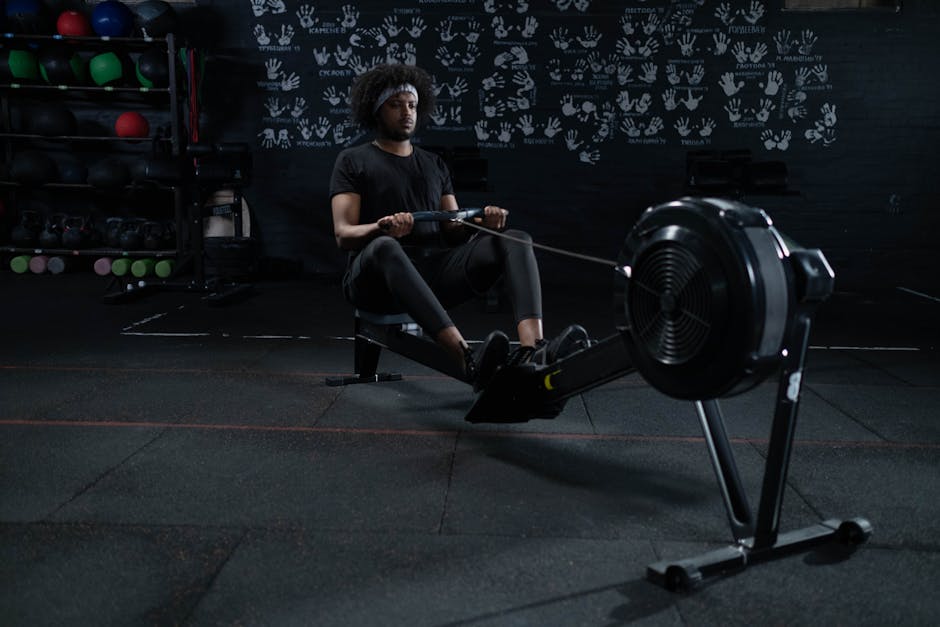
Proper rowing technique is crucial to maximizing the benefits of your workout while using rowing machines. To begin, ensure you are sitting tall with your shoulders relaxed and your core engaged. This posture helps protect your lower back and ensures an efficient rowing motion. When initiating the row, remember to push with your legs first, then lean back slightly, and finally pull the handle towards your lower ribs. This sequence engages the large muscle groups in your legs, core, and back, providing a full-body workout.

One common mistake many people make on rowing machines is hunching their back or shoulders during the rowing motion. This not only reduces the effectiveness of the exercise but also increases the risk of injury, particularly to the lower back. By maintaining proper posture and alignment throughout the row, you can prevent strain on your back muscles and optimize the engagement of the targeted muscle groups.

Remember, the power in rowing comes from the legs, not the arms. A common error is relying too much on the arms to pull the handle towards you. Instead, focus on driving with your legs while keeping your arms straight until your legs are almost fully extended. This leg-driven motion allows you to generate more power and endurance, leading to a more effective workout session.

2. Importance of Posture and Alignment

Posture and alignment play a significant role in the success of your rowing workout. One key aspect to remember is to sit tall on the rowing machine, with your back straight and core engaged. Slouching or leaning too far back can strain your back muscles and limit the effectiveness of each stroke. By maintaining proper posture, you not only reduce the risk of injury but also ensure that you are targeting the right muscle groups.

Another common mistake related to posture is gripping the handle too tightly. This can lead to unnecessary tension in your arms and shoulders, resulting in fatigue and decreased performance. Instead, aim to hold the handle with a relaxed grip, allowing your arms to follow through naturally with each rowing motion. This enables a smoother stroke and better engagement of your back and core muscles.

Aligning your body correctly on the rowing machine is also crucial for a successful workout. Make sure your feet are securely strapped in, your knees are slightly bent, and your elbows are close to your body throughout the row. Proper alignment not only enhances your performance but also minimizes the risk of strain or overuse injuries. By paying attention to these details, you can make the most out of your time on the rowing machine.

3. Optimizing Resistance Settings

Adjusting the resistance settings on a rowing machine can significantly impact the intensity and effectiveness of your workout. While it may be tempting to start at a high resistance level to challenge yourself, it's essential to find a balance that allows you to maintain proper form and technique. Beginners should begin with a lower resistance setting to focus on mastering the correct rowing motion before increasing the intensity.

A common mistake many users make is setting the resistance too high, leading to jerky or uneven strokes. This not only reduces the fluidity of your rowing but also increases the risk of muscle strain or fatigue. Gradually increase the resistance as you become more comfortable with the movement, ensuring that each stroke is smooth and controlled. Finding the right resistance level for your fitness level can help you achieve better results in the long run.

4. Effective Training Frequency and Duration

When incorporating rowing machines into your fitness routine, it's essential to strike a balance between frequency and duration of your workouts. While rowing offers a low-impact, full-body workout, overdoing it can lead to burnout or overtraining. Start by establishing a realistic schedule that allows for adequate rest between sessions to prevent injuries and fatigue.

One common mistake to avoid is pushing yourself too hard, too soon. Gradually increase the duration and intensity of your rowing sessions to avoid overexertion and reduce the risk of overuse injuries. Listen to your body and ensure you are giving yourself time to recover and repair muscle tissues after each workout. By following a well-rounded training plan that includes rest days, you can optimize your performance and progress effectively.

Secure Payments

Information

  • About Us
  • Contact Us
  • Shipping & Returns
  • Privacy Policy
  • Terms & Conditions
  • FAQ
  • Testimonials

My Account

  • My Account
  • Order History
  • Track Orders
  • Address Book

Connect With Us

  • Twitter
  • Facebook
  • Pinterest
  • Instagram
  • Youtube
HAMILTON HOME FITNESS
Wellness Magazine
ourrescue.com
world vision
© HAMILTON HOME FITNESS. All Rights Reserved.
Our website uses cookies to make your browsing experience better. By using our site you agree to our use of cookies. Learn More I Agree
× What Are Cookies As is common practice with almost all professional websites this site uses cookies, which are tiny files that are downloaded to your computer, to improve your experience. This page describes what information they gather, how we use it and why we sometimes need to store these cookies. We will also share how you can prevent these cookies from being stored however this may downgrade or 'break' certain elements of the sites functionality. For more general information on cookies see the Wikipedia article on HTTP Cookies. How We Use Cookies We use cookies for a variety of reasons detailed below. Unfortunately in most cases there are no industry standard options for disabling cookies without completely disabling the functionality and features they add to this site. It is recommended that you leave on all cookies if you are not sure whether you need them or not in case they are used to provide a service that you use. Disabling Cookies You can prevent the setting of cookies by adjusting the settings on your browser (see your browser Help for how to do this). Be aware that disabling cookies will affect the functionality of this and many other websites that you visit. Disabling cookies will usually result in also disabling certain functionality and features of the this site. Therefore it is recommended that you do not disable cookies. The Cookies We Set
Account related cookies If you create an account with us then we will use cookies for the management of the signup process and general administration. These cookies will usually be deleted when you log out however in some cases they may remain afterwards to remember your site preferences when logged out. Login related cookies We use cookies when you are logged in so that we can remember this fact. This prevents you from having to log in every single time you visit a new page. These cookies are typically removed or cleared when you log out to ensure that you can only access restricted features and areas when logged in. Form related cookies When you submit data to through a form such as those found on contact pages or comment forms cookies may be set to remember your user details for future correspondence. Site preference cookies In order to provide you with a great experience on this site we provide the functionality to set your preferences for how this site runs when you use it. In order to remember your preferences we need to set cookies so that this information can be called whenever you interact with a page is affected by your preferences.
Third Party Cookies In some special cases we also use cookies provided by trusted third parties. The following section details which third party cookies you might encounter through this site.
This site uses Google Analytics which is one of the most widespread and trusted analytics solution on the web for helping us to understand how you use the site and ways that we can improve your experience. These cookies may track things such as how long you spend on the site and the pages that you visit so we can continue to produce engaging content. For more information on Google Analytics cookies, see the official Google Analytics page. We also use social media buttons and/or plugins on this site that allow you to connect with social network in various ways. For these to work, the social networks may set cookies through our site which may be used to enhance your profile on their site, or contribute to other purposes outlined in their respective privacy policies.