Why the Plate-Loaded Hip Thrust Machine Matters in 2025
Want stronger glutes? You're not alone. In 2025, more people are training for strength, not just looks. Glutes play a key role in how we move, lift, and stay pain-free. However, many people still use the wrong tools.
Barbells can be rough. They roll, dig in, and shift your focus from the lift to your pain. That's where the plate-loaded hip thrust machine steps in. It's safe, smooth, and built for this one goal: to help you get the most from each rep.
This machine gives your glutes the work they need—with better form, more control, and less risk. It's now a top pick in gyms and studios worldwide.
This guide explains how this machine works, why it's so effective, and how to use it correctly. If you want stronger hips, better posture, and real progress, this is where you start.
What Is a Plate Loaded Hip Thrust Machine and Why It Outperforms Traditional Methods
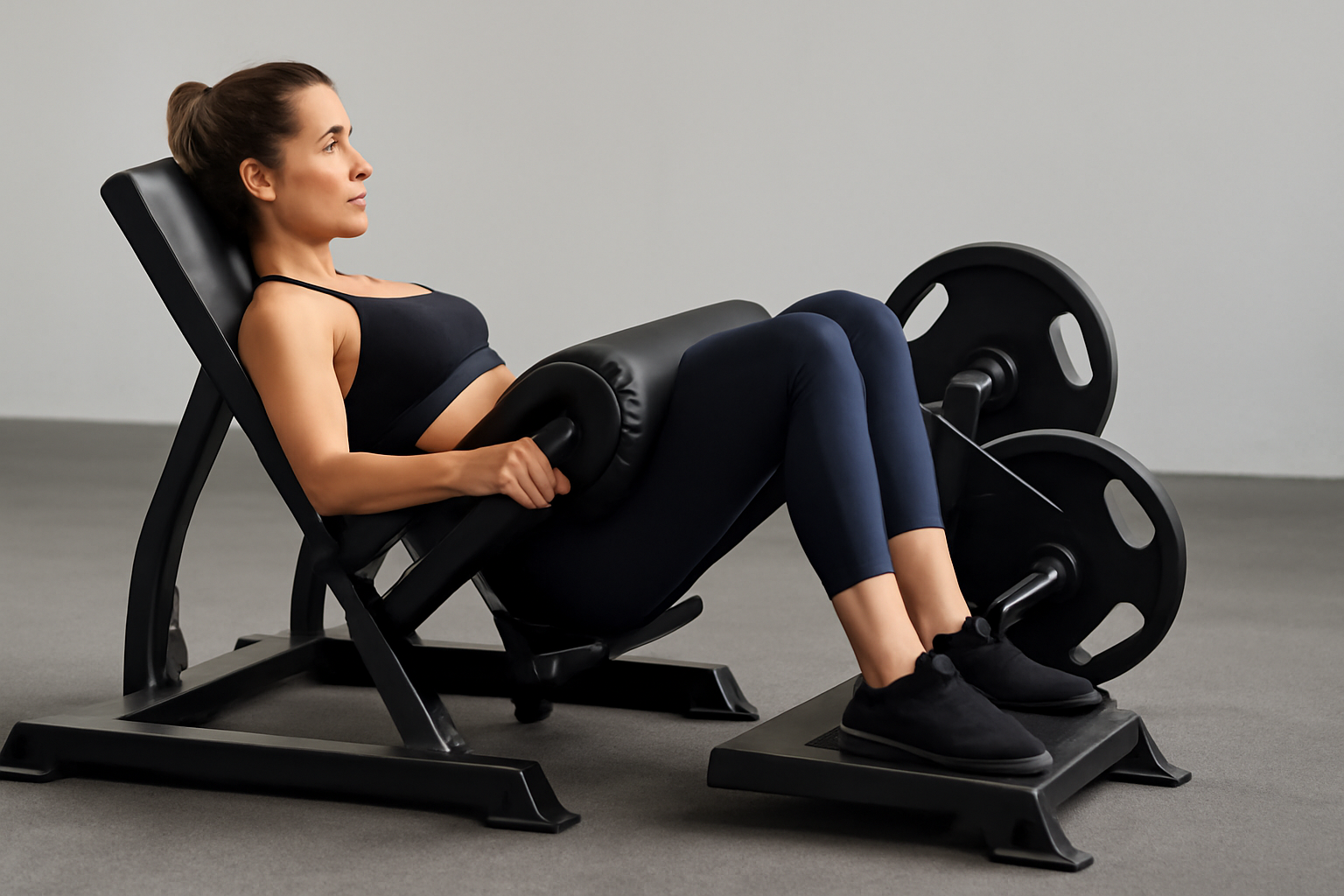
A plate-loaded hip thrust machine is designed to help you target your glutes with better control and comfort. Unlike traditional barbell hip thrusts, this machine is built for precision.
What Makes It Different?
- Back Support: Most machines come with a padded backrest that moves with your spine. This reduces pressure on your lower back, making the lift safer and more comfortable.
- Adjustable Resistance: You can add weight to the machine's rotating arms, allowing you to control the amount of resistance you use, giving your glutes the right challenge.
- Cushioned Thrust Pad: The wide, padded hip belt replaces the barbell, spreading the pressure evenly across your hips and reducing discomfort during your workout.
- Customizable Settings: Many machines let you adjust the height, foot placement, and resistance. This means you can get the perfect fit for your body.
Why It's Better (Especially in 2025)
The plate-loaded hip thrust machine is designed to improve your form. Research shows that keeping a neutral spine and proper alignment is key to maximizing glute activation. The machine helps you do this by offering a stable setup that's harder to achieve with a barbell and bench.
It's also a smart choice for gyms. It's easier for members to use safely, and the machine works for everyone, whether they are just starting or training at a high level.
In short, the plate-loaded hip thrust machine is easier, safer, and more effective than older methods. It's a must-have for anyone serious about glute training.
The Science Behind Hip Thrusts: How It Builds Glute Strength
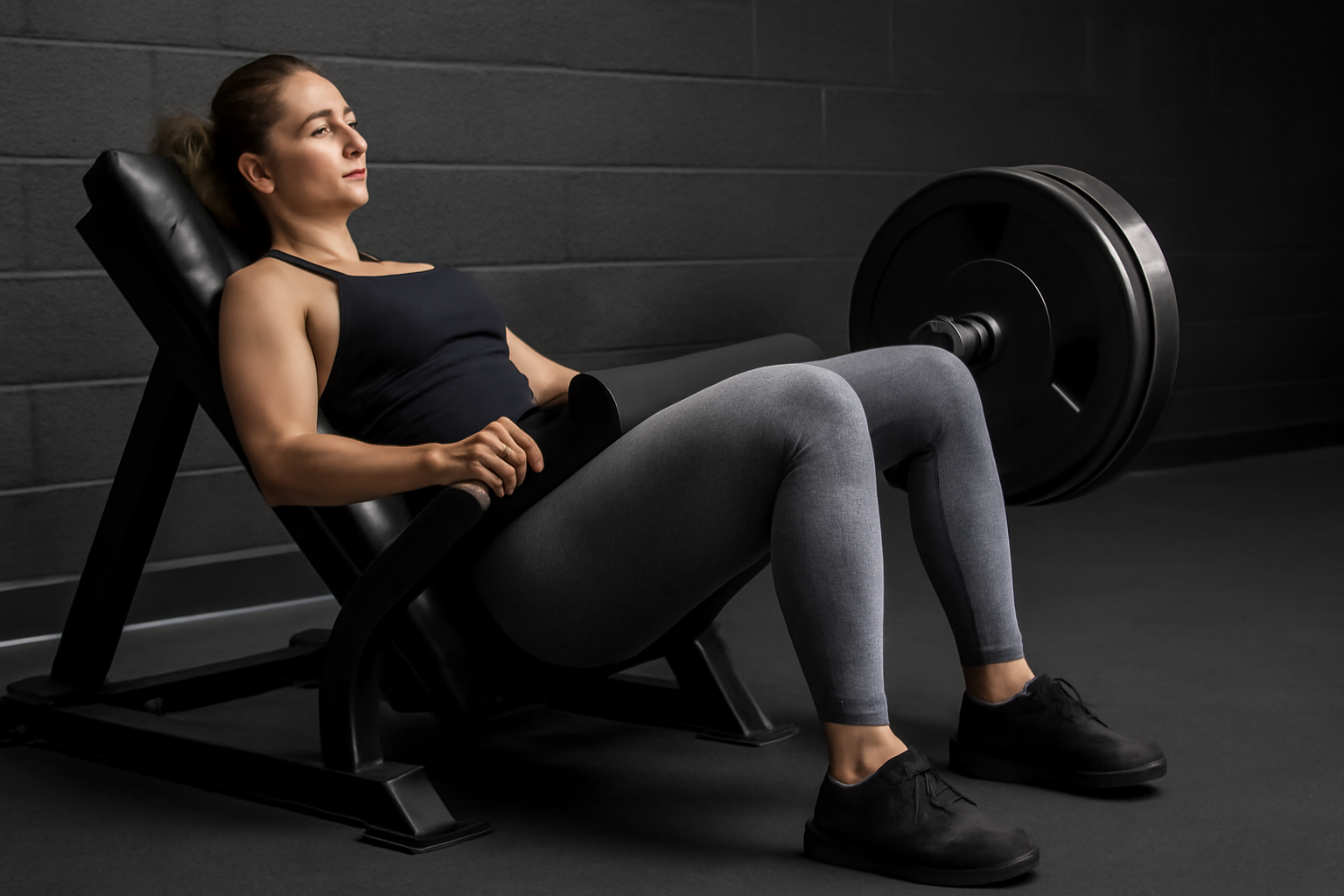
Hip thrusts are one of the best moves for strong, well-shaped glutes. When done right, they work your muscles hard, especially your gluteus maximus, which is the largest muscle in your body.
What Happens During a Hip Thrust?
When you do a hip thrust, you sit down with your upper back supported and push your hips up. This is called hip extension. It's the same kind of movement used when you run, jump, or stand from a squat. Your glutes do most of the work, but your hamstrings, quads, and core also help.
The plate-loaded hip thrust machine helps you do this safely. It holds your body in place, keeps your back in a strong position, and allows you to focus on the lift. You can add weight as needed, making it great for both beginners and advanced lifters.
Why Hip Thrusts Work So Well
Studies show that hip thrusts can activate your glutes more than squats. One 2022 study found up to 25% more muscle activation in the glutes during a hip thrust than in a barbell back squat.
That means more muscle growth, more strength, and faster progress. Because the motion is controlled and safe, you're also less likely to hurt yourself.
The Takeaway
If you want stronger glutes, better posture, and more power, hip thrusts are a smart choice. Using a plate-loaded machine makes them even more effective.
How to Use a Plate-Loaded Hip Thrust Machine for Best Results
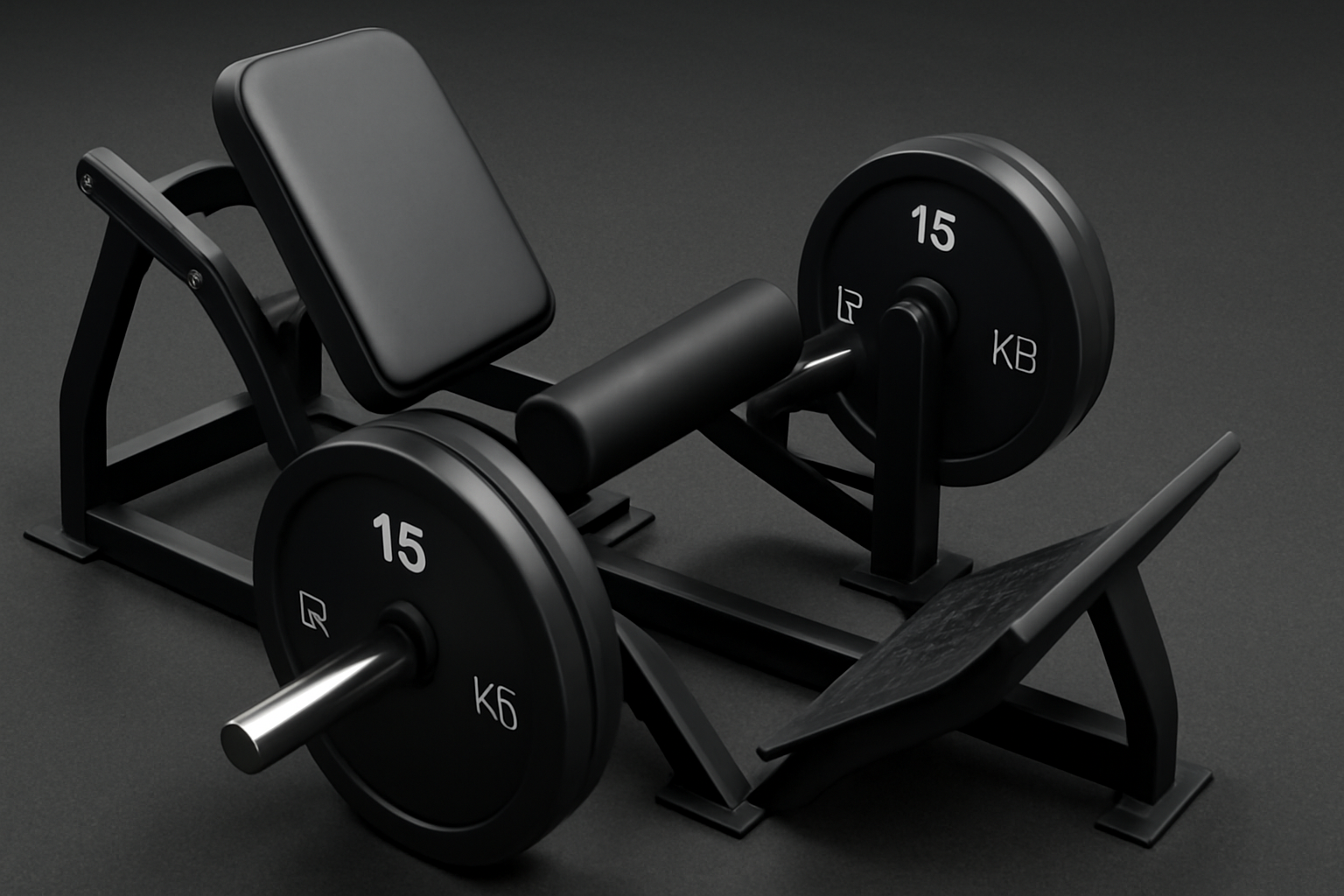
Using a plate-loaded hip thrust machine the right way can help you get the most out of every rep. Whether you're new to training or a seasoned lifter, these steps will help you build strength and avoid injury.
Step-by-Step Guide
- Adjust the backrest or bench.
- Sit down and place your upper back against the padded support. Make sure your back is flat, and your head is in line with your spine.
- Place the thrust pad across your hips.
- The pad should rest above your hip bones. It should feel snug but not painful. Adjust the pad height if needed.
- Set your feet shoulder-width apart.
- Your knees should form a 90-degree angle at the top of the thrust. Keep your feet flat on the floor throughout the lift.
- Load the weight evenly.
- Add plates to both sides of the machine. If you're new, start light and increase slowly as your strength builds.
- Brace your core and push through your heels.
- Keep your core tight and lift your hips until your thighs are level with the floor. Squeeze your glutes at the top, then lower under control.
- Repeat for 8–12 reps.
- This is a solid range for strength and muscle growth. Rest and repeat for 3–4 sets.
Pro Tips
- Don't arch your back—keep it neutral.
- Look forward or slightly down to keep your neck in line.
- Pause at the top for better glute activation.
- Don't rush the lift. Controlled reps give better results.
Frequency
Use the hip thrust machine 2–3 times per week as part of a full lower-body or glute-focused routine.
Common Mistakes and Misconceptions About Plate-Loaded Hip Thrust Machines
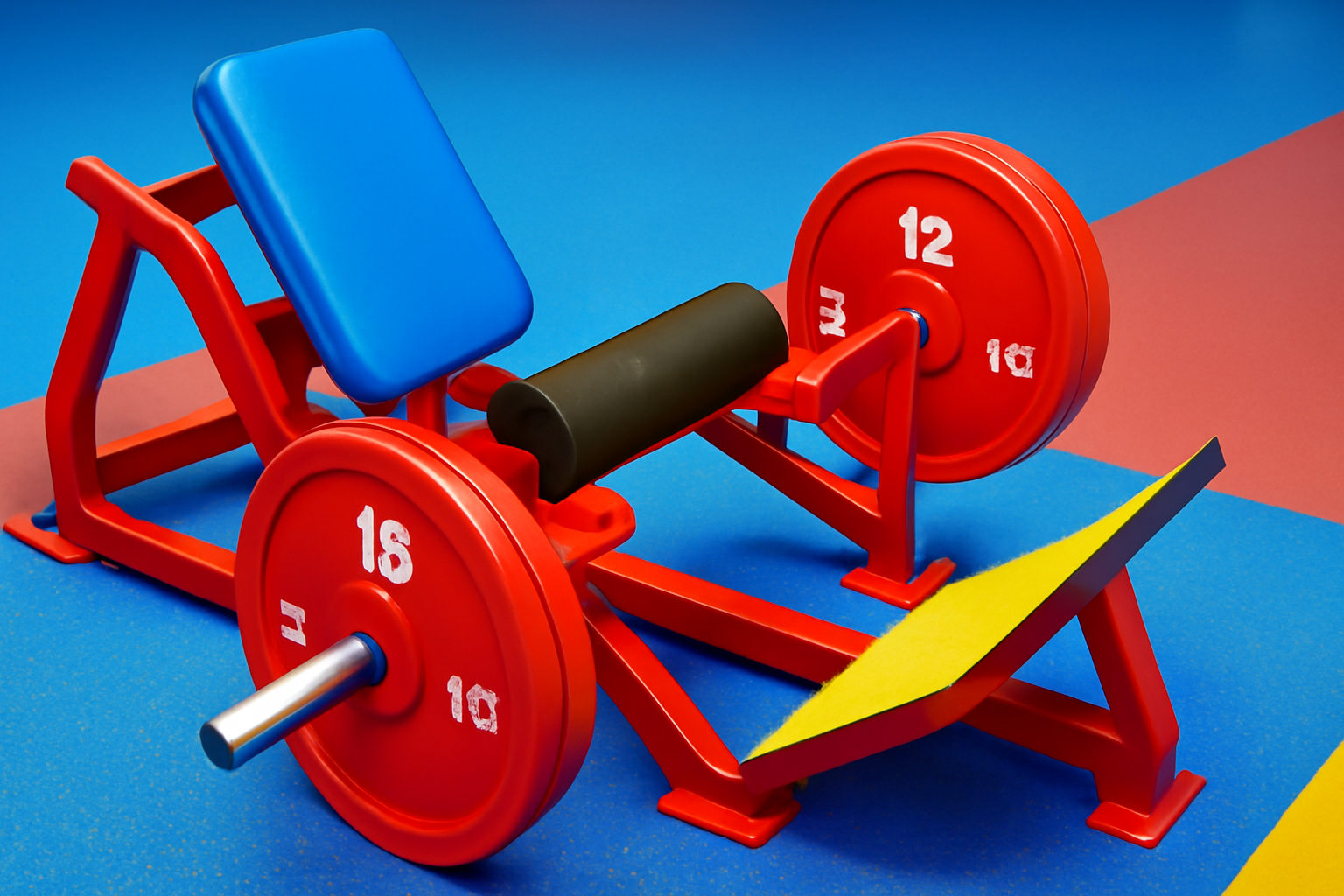
Even with the right equipment, small mistakes can hinder progress or, worse, cause injury. Let's clarify some common myths and challenges people face when using a plate-loaded hip thrust machine.
Misconception #1: It's Only for Glute Growth
While this machine is amazing for building glutes, it's also great for improving core strength, hip mobility, and posterior chain stability. Athletes use it to boost performance in running, jumping, and lifting. It's not just about the pump—it's about power and function.
Mistake #1: Using Too Much Weight Too Soon
Loading too heavy or too fast is a common error. It reduces your range of motion and leads to poor form, which can shift the work to your lower back or hamstrings instead of your glutes. Always master your form first, then add weight gradually.
Misconception #2: Barbell Hip Thrusts Are Just as Good
Barbells work, but the plate-loaded machine offers more control, better positioning, and less setup hassle. You don't have to deal with rolling bars, awkward pads, or slippery benches. The machine is built for the lift, so your focus stays on performance, not logistics.
Mistake #2: Poor Foot Placement
If your feet are too close or too far from your hips, your glutes won't activate fully. An ideal 90-degree angle at the knees at the top of the lift keeps the tension in your glutes and reduces strain on your knees.
How to Fix These Issues
- Start with a moderate load and focus on form.
- Film your set or use a mirror to check alignment.
- Ask a coach or trainer to assess your technique.
- Don't rush—control the lift from start to finish.
FAQ:
What is a plate-loaded hip thrust machine?
A plate-loaded hip thrust machine is a gym machine built to help you perform hip thrusts safely and effectively. Instead of using a barbell, you load weight plates onto levers or arms. The machine supports your back, pads your hips, and keeps your body aligned during the movement.
Is this machine better than barbell hip thrusts?
Yes, for most people. While barbell hip thrusts still work, the machine gives you more comfort, better control, and a safer form. It also saves time—you don't need to roll the bar, stack pads, or worry about balancing weight.
What muscles does the machine target?
It primarily works your glutes, especially the gluteus maximus. It also works your hamstrings, quads, hip flexors, and core. It's one of the best movements for building lower body strength and balance.
Can beginners use it?
Absolutely. In fact, it's ideal for beginners. It reduces the risk of injury and helps you learn proper form faster. You can start light and add more weight as your strength improves.
How often should I use it?
2–3 times per week is a solid starting point. Make sure to include rest days and train other lower body movements for balanced development.
Will this machine help grow my glutes faster?
Yes—if you train consistently and with proper form. The machine places constant tension on your glutes, which supports hypertrophy. Add progressive overload, and you'll see gains over time.
Final Thoughts:
By now, you've seen why the plate-loaded hip thrust machine isn't just a nice-to-have—it's a game-changer. From better glute activation to safer, more efficient training, this tool takes the guesswork out of lower-body strength work. It's ideal for anyone serious about building strength, improving posture, or simply getting more from every rep.
The takeaway? With the right form, consistent effort, and the right machine, you can level up your glute training faster and safer than ever before.
At Hamilton Home Fitness, smart design creates better workouts. That's why we support equipment that blends biomechanics, comfort, and performance, just like the machines we feature. Suppose you're looking to bring commercial-grade quality into your home gym or studio. In that case, we're here to help you build a setup that delivers results.
Ready to make your next move? Apply what you've learned, start using the right tools, and unlock your full strength potential—one rep at a time.