
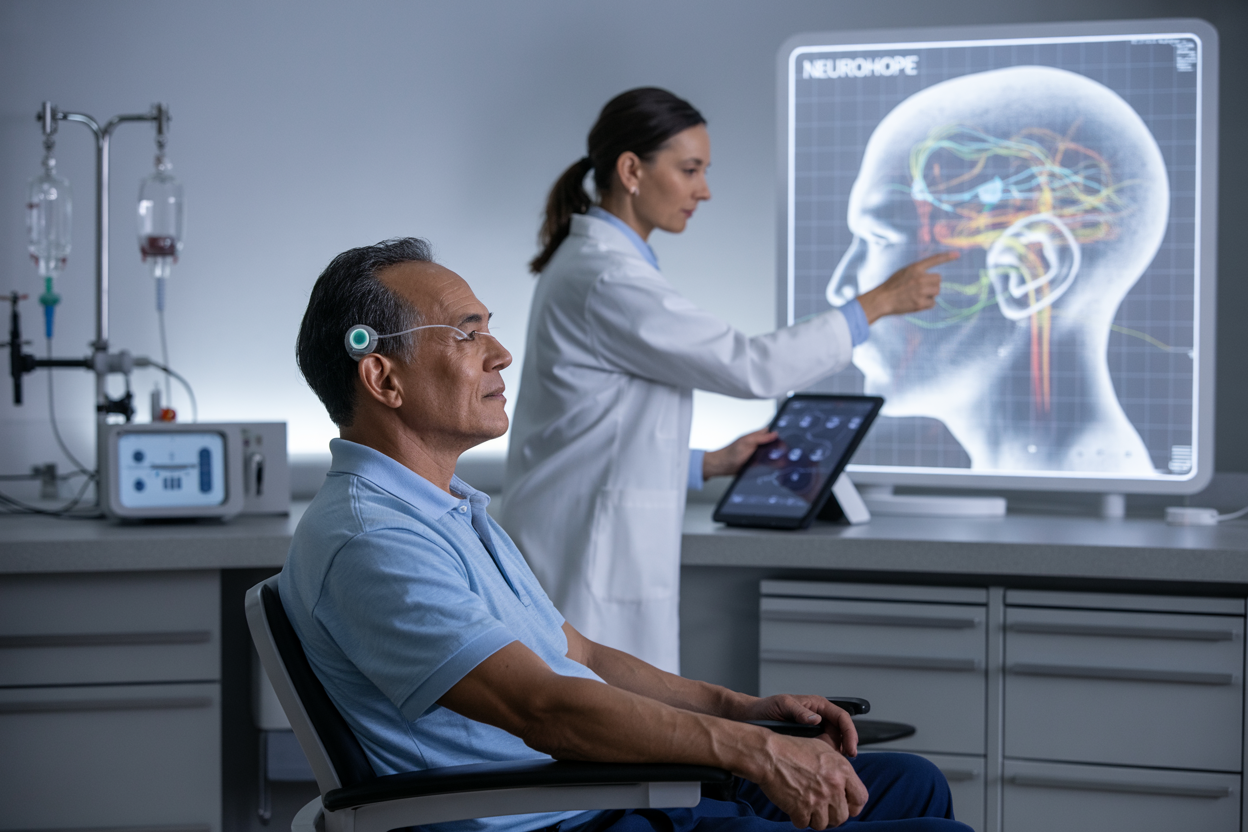
Parkinson’s disease has always been one of the most challenging neurological conditions to manage. Characterized by tremors, stiffness, and slowed movement, it has historically been approached as a disorder that could only be managed, not fundamentally altered. However, 2025 marks a turning point in how we think about Parkinson’s. Today, the focus is not just on symptom control but also on delaying disease progression, improving quality of life, and addressing the full range of physical and emotional challenges faced by patients.
This article takes you through the latest advancements making headlines this year from adaptive deep brain stimulation to infusion therapies, disease-modifying drugs, and early detection technologies. Together, these innovations are reshaping the landscape for patients and offering genuine hope for the future.
Smarter Deep Brain Stimulation: The Adaptive Era
Deep brain stimulation (DBS) has been a trusted therapy for decades, especially for those with advanced Parkinson’s who no longer respond well to medication alone. Traditionally, the device delivers constant pulses of electricity to targeted brain regions, reducing tremors and rigidity. But the technology of 2025 takes it a step further.
Adaptive deep brain stimulation (aDBS) uses real-time feedback from brain signals to adjust stimulation levels. This means the device responds instantly to fluctuations in symptoms, providing just the right amount of stimulation when needed. Patients using aDBS report smoother control of tremors, fewer side effects like speech changes or muscle tightness, and improved overall comfort.
The most exciting aspect is personalization. Doctors can fine-tune algorithms to match the patient’s unique brain activity patterns. For many, it feels less like managing symptoms and more like regaining control over their bodies.
Disease-Modifying Drugs: Moving Beyond Symptom Relief
For decades, Parkinson’s treatment has centered on dopamine replacement therapies like levodopa. While highly effective in the short term, these drugs cannot slow or stop the disease. Now, clinical trials in 2025 are bringing new hope through therapies that target the biology of Parkinson’s itself.
Monoclonal antibody therapies are designed to clear abnormal protein buildups in the brain. One promising drug under study binds to clumps of alpha-synuclein, a hallmark of Parkinson’s, and may slow down nerve cell damage. Meanwhile, medications originally developed for diabetes, particularly GLP-1 receptor agonists, are showing potential to protect nerve cells and delay progression.
If successful, these drugs would represent a true shift from “managing symptoms” to “modifying disease.” This is the holy grail of Parkinson’s research, and the fact that multiple candidates are now in late-stage trials makes the field more hopeful than ever.
Continuous Infusion Therapies: Stability Throughout the Day
One of the biggest challenges patients face is the “on-off” phenomenon of oral medications. Symptoms may improve shortly after taking a pill but return unpredictably before the next dose. This creates frustrating fluctuations that disrupt daily life.
A breakthrough in 2025 is the introduction of continuous infusion therapies. Instead of taking pills, patients use small devices that deliver a steady stream of levodopa or other medications under the skin. This approach provides a smoother supply of dopamine to the brain, preventing the rollercoaster of symptoms and making daily activities more predictable.
For many patients, this therapy reduces the anxiety of never knowing when tremors might suddenly interfere with work, social interactions, or even simple tasks like eating or walking. It’s a major step toward more reliable, round-the-clock symptom control.
Addressing Non-Motor Symptoms
While tremors and stiffness are the most visible signs, Parkinson’s also brings hidden struggles. Anxiety, depression, sleep problems, and cognitive changes often weigh just as heavily on patients. In 2025, researchers are finally giving these non-motor symptoms the attention they deserve.
New findings show that specific brain wave patterns are linked to anxiety in Parkinson’s. With this knowledge, adaptive DBS could eventually be programmed not just for motor control but also to stabilize mood. Imagine a device that calms tremors and anxiety at the same time; this is the direction we’re heading.
Additionally, treatments targeting sleep disorders are gaining traction. Sleep disturbances are not only exhausting but may worsen other Parkinson’s symptoms. By improving sleep, patients often experience clearer thinking, better mobility, and improved mood.
The Role of Lifestyle and Support
Technology and medication are vital, but lifestyle remains equally important. Regular exercise continues to show benefits in slowing disease progression. Activities like tai chi, yoga, or swimming improve balance, flexibility, and strength. Beyond physical benefits, they reduce stress and enhance emotional well-being.
Posture correction is also critical. Parkinson’s patients often develop a forward-leaning stance that contributes to falls and discomfort. Strength training can help maintain upright posture and independence. Proper equipment plays a role here too. For example, using supportive fitness tools like an incline decline weight bench helps patients exercise with correct form, reducing the risk of strain and improving long-term musculoskeletal health.
Nutrition matters as well. Diets rich in antioxidants, fiber, and omega-3 fatty acids support brain health and gut function. Since constipation is a common issue in Parkinson’s, dietary adjustments can greatly improve daily comfort.
Equally vital is emotional and community support. Family members, caregivers, and support groups provide not only practical help but also a sense of connection. Living with Parkinson’s can feel isolating; knowing others are walking the same path helps reduce that burden.
Looking Ahead: Nanotechnology and Early Diagnosis
The future of Parkinson’s treatment looks brighter thanks to two key areas of research: nanotechnology and early detection.
Nanocarrier systems are being developed to deliver medications directly across the blood-brain barrier. This would allow targeted therapies to reach affected brain regions more effectively, reducing side effects and increasing impact. While still in experimental stages, the potential is enormous.
Meanwhile, scientists are pushing for earlier diagnosis. By identifying subtle changes before classic motor symptoms appear, doctors can begin treatment earlier, when therapies are likely to be most effective. Advances in AI monitoring tools, smell-based detection, and wearable devices that track movement all point toward a future where Parkinson’s can be recognized years sooner.
The Importance of Expert Guidance
With so many new treatments on the horizon, the role of the specialist becomes even more crucial. A neurologist trained in movement disorders can help patients navigate the complex choices between medications, devices, and lifestyle adjustments. Personalized care is key, what works for one person may not work for another. Having a skilled specialist ensures that every treatment decision maximizes benefit while minimizing side effects.
Conclusion
Parkinson’s disease is entering a new era. The breakthroughs of 2025 are not about simply masking tremors but about transforming how the disease is treated. Adaptive deep brain stimulation, infusion therapies, disease-modifying drugs, and early detection tools are shifting the focus toward stability, personalization, and hope.
At the same time, lifestyle measures from structured exercise programs to supportive nutrition and community connections remain essential pillars of care. Together, they form a holistic approach that empowers patients to live fuller, more independent lives.
For families and patients alike, the message is clear: Parkinson’s may still be a formidable challenge, but the future is brighter than ever. With ongoing innovation and support from dedicated specialists, there is real hope that the coming years will bring not just better treatments but also a redefined experience of living with Parkinson’s disease.