
Salivary glands play a vital role in maintaining oral health by producing saliva that helps with digestion, lubrication, and protection against infections. When these glands become blocked, infected, or affected by other conditions, they can cause pain, swelling, and discomfort that interfere with daily life. Fortunately, advances in medical science have made treatment more effective and less invasive than ever before. Many modern approaches used in Head and Neck Surgery focus on accurate diagnosis and targeted treatment, helping patients recover faster while preserving the normal function of the salivary glands.
Understanding Salivary Gland Disorders
The human body has three major pairs of salivary glands: the parotid glands, submandibular glands, and sublingual glands. These glands produce saliva that keeps the mouth moist and helps break down food during digestion. When the glands are not functioning properly, symptoms such as swelling, dry mouth, pain while eating, or recurring infections may occur.
Several conditions can affect the salivary glands. One of the most common issues is salivary gland stones, also known as sialolithiasis. These small mineral deposits can block the flow of saliva, causing swelling and discomfort, particularly during meals. Infections may also develop if saliva becomes trapped within the gland.
Other possible conditions include cysts, benign tumors, and in rare cases, malignant tumors. Early diagnosis and proper treatment are essential to prevent complications and restore normal gland function.
Importance of Accurate Diagnosis
Before recommending treatment, doctors carefully evaluate the condition to determine the underlying cause of the problem. Modern diagnostic techniques help specialists identify the exact location and nature of the issue affecting the gland.
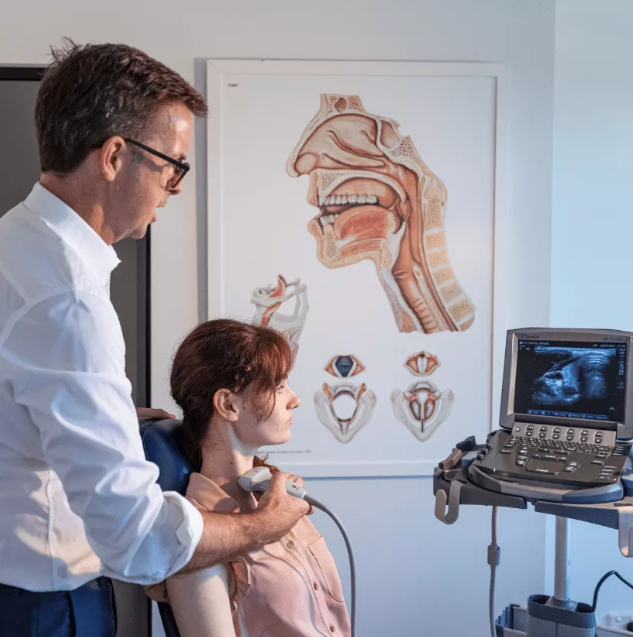
Imaging technologies such as ultrasound, CT scans, and MRI scans provide detailed views of the salivary glands and surrounding structures. These imaging methods allow doctors to detect stones, tumors, or infections with greater accuracy.
In complex cases, specialists who perform Thyroid Surgery and Care Resource procedures often work closely with head and neck experts to ensure that patients receive comprehensive care. Because the salivary glands are located near important nerves and tissues, accurate diagnosis plays a critical role in planning safe and effective treatment.
Minimally Invasive Salivary Gland Treatments
One of the most significant advancements in salivary gland treatment is the use of minimally invasive techniques. These procedures focus on treating the condition while minimizing damage to surrounding tissues, which helps speed up recovery and reduce discomfort.
Sialendoscopy is one of the most advanced techniques used today. This procedure involves inserting a tiny endoscope into the salivary duct to locate and remove blockages such as stones. The camera provides a clear view of the duct system, allowing the doctor to treat the problem with precision.
Because this procedure does not require large incisions, patients often experience less pain and a shorter recovery time compared to traditional surgery. Many individuals are able to return to normal activities within a few days.
Non-Surgical Treatment Approaches
In some cases, salivary gland conditions can be treated without surgery. Non-invasive methods are often recommended for mild cases or early-stage blockages.
Hydration is one of the simplest and most effective ways to improve salivary gland function. Drinking plenty of fluids helps stimulate saliva production and may assist in flushing out small stones or blockages.
Doctors may also recommend medications to treat infections or reduce inflammation within the gland. Antibiotics are commonly prescribed for bacterial infections, while anti-inflammatory medications can help reduce swelling and discomfort.
Massage therapy and warm compresses are sometimes suggested to stimulate saliva flow and relieve blockage in the ducts. These supportive treatments can often help patients avoid more invasive procedures.
Surgical Treatment for Complex Cases
Although many salivary gland conditions can be treated with minimally invasive or non-surgical methods, surgery may still be necessary in certain situations. Large stones, persistent infections, or tumors may require surgical intervention to fully resolve the problem.
Modern surgical techniques focus on preserving as much gland function as possible. In many cases, surgeons can remove the obstruction or affected tissue while leaving the healthy parts of the gland intact.
Advanced surgical planning and improved techniques have significantly reduced the risks associated with salivary gland surgery. Today, many procedures are performed with greater precision, resulting in fewer complications and faster healing for patients.
Advanced Technology in Salivary Gland Treatment
Medical technology continues to improve the way doctors diagnose and treat salivary gland disorders. High-resolution imaging, endoscopic tools, and laser-assisted procedures have transformed treatment outcomes for many patients.
Laser technology, for example, can sometimes be used to break down salivary stones or treat certain gland conditions with minimal discomfort. These modern tools allow doctors to address problems with greater accuracy while protecting nearby nerves and tissues.
Technological advances have also improved patient comfort during treatment. Many procedures can now be performed on an outpatient basis, meaning patients can return home the same day without a lengthy hospital stay.
Recovery and Aftercare
Recovery from salivary gland treatment is often faster today thanks to modern medical techniques. Most patients experience significant improvement in symptoms once the blockage or infection has been treated.
Doctors typically recommend maintaining good oral hygiene and staying well hydrated after treatment. These habits support healthy saliva flow and reduce the risk of future gland problems.
Patients may also be advised to avoid certain foods temporarily and to gently massage the affected area to promote healing. Follow-up visits allow doctors to monitor recovery and ensure the gland is functioning normally.
Preventing Future Salivary Gland Problems
Preventive care plays an important role in maintaining salivary gland health. Staying hydrated is one of the most effective ways to support proper saliva production. Drinking enough water throughout the day helps prevent saliva from becoming thick or stagnant.
A balanced diet rich in vitamins and minerals also supports overall oral health. Good dental hygiene, including regular brushing and dental check-ups, can help prevent infections that may spread to the salivary glands.
Recognizing early symptoms such as swelling or pain near the jaw can help individuals seek treatment before the condition becomes more serious.
Conclusion
Modern advances in medical technology have greatly improved the treatment of salivary gland disorders. From minimally invasive procedures like sialendoscopy to advanced imaging and surgical techniques, patients today have access to safer and more effective treatment options than ever before.
With the expertise provided through Head and Neck Surgery and specialized care supported by Thyroid Surgery and Care Resource, individuals experiencing salivary gland problems can receive accurate diagnoses and personalized treatment plans. Early intervention, combined with modern medical approaches, allows patients to recover faster and return to their normal routines with improved comfort and oral health.