
Introduction:
Leg extension machines are common in gyms. They’re popular for building strong quadriceps. But many people wonder: Can leg extensions hurt your knees?
In this article, we’ll look at the truth behind leg extensions. We’ll explain how they work, how they affect your knees, and if they can cause pain. Some say these machines put too much stress on the knees, but we’ll show you the facts. We’ll also give you tips on how to use the machine safely.
If you’re someone who works out regularly or you’re recovering from a knee injury, understanding how leg extensions impact your knee health is important. We’ll guide you through the science behind leg extensions and help you make smart choices for your workouts.
By the end of this guide, you’ll know if leg extensions are right for you. You’ll also learn how to use them safely to avoid injury. Let’s clear up the myths and get the facts on leg extensions!
Are Leg Extension Machines Effective for Knee Health?
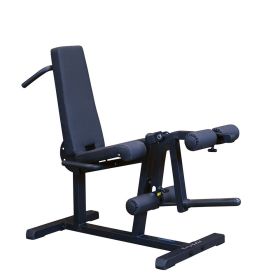
Leg extension machines are designed to work your quadriceps, the muscles in the front of your thighs. But how do they affect your knee health? Let’s explore.
What Muscles Do Leg Extension Machines Target?
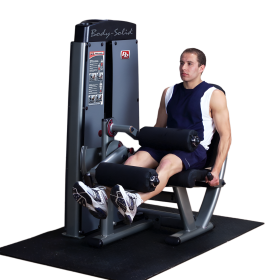
The main muscles worked during leg extensions are the quadriceps. These muscles help straighten your knee and are important for overall leg strength. When you strengthen your quads, you also help support your knee joint. Strong quads help stabilize the knee and can reduce the risk of injury.
Are Leg Extensions Safe for People with Knee Pain?
If you have knee pain, you might be worried about using a leg extension machine. The good news is that they can be safe when used correctly. Adjusting the machine and using the right technique can help reduce strain on your knees. However, if you have a knee injury or conditions like arthritis, it’s best to talk to a doctor or physical therapist before using leg extensions. They might suggest modifications or other exercises that are easier on your knees.
Can Leg Extensions Improve Knee Strength?
Yes, leg extensions can improve knee strength. Strong quadriceps support your knees by taking pressure off the joint. This can help protect against injuries. In rehab settings, leg extensions are often used to help rebuild knee strength after surgery or injury. When done with good form, leg extensions can make your knees stronger and more stable.
By understanding how leg extensions work, you can use them safely and effectively to improve knee health.
Common Myths About Leg Extensions and Knee Pain
There are many myths about leg extensions and knee pain. Let’s clear up a few of the most common ones.
Do Leg Extension Machines Cause Knee Pain?
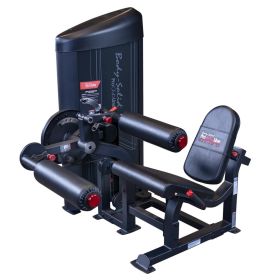
One common belief is that leg extension machines always lead to knee pain. This is not true. While it’s possible to experience discomfort, leg extensions themselves do not automatically cause pain. The key is using the machine the right way. If you maintain proper form, adjust the machine, and use a safe weight, leg extensions can be safe. Most knee pain happens from using the wrong form or too much weight.
Can Leg Extensions Cause ACL Stress?
Another myth is that leg extensions put too much stress on the ACL and cause injuries. This concern is often exaggerated. While it’s important to be cautious with any exercise, leg extensions are safe when done properly. Research shows they do put some stress on the knee, but if you use correct form and avoid hyperextension, they should not hurt your ACL. It’s best to keep the weight moderate and adjust the machine properly.
Are Leg Extensions Dangerous for the Knees?
Some people think leg extensions are bad for the knees, especially for those with existing knee problems. While bad form or overuse can cause strain, leg extensions can be safe when done correctly. They can even help strengthen the knee joint and improve stability. If you have knee issues, it’s a good idea to check with a doctor before using leg extensions. But when done right, leg extensions can be part of a healthy workout.
By understanding these myths, you can safely add leg extensions to your fitness routine and help protect your knees.
Proper Use of Leg Extension Machines
Using the leg extension machine correctly is important to get the best results while protecting your knees. Proper adjustments and good technique can help prevent injury.
How Should Leg Extension Machines Be Adjusted?
To use the machine safely, adjust the seat and leg pads. Set the seat so that your knees align with the machine's pivot point. This helps distribute the force evenly. The shin pad should rest just above your ankles. You should be able to extend your legs fully without locking your knees. Adjusting the machine to fit your body can prevent unnecessary strain on your knees.
What Is the Correct Seat Position for Leg Extensions?
The seat position is key for doing leg extensions right. If the seat is too far back or too close, it can stress your knees. When you sit, your knees should be at a 90-degree angle. This position makes the exercise safer and helps you target your quads without risking knee injury.
What Are the Common Mistakes to Avoid on Leg Extensions?
Many people make mistakes that can lead to pain or injury. One mistake is locking the knees at the top of the movement. This puts too much pressure on the joint. Another mistake is using too much weight. This can strain your knees and back. Always use a weight you can control. Move slowly and with control to avoid injury.
Using the leg extension machine with proper adjustments and technique can help you strengthen your legs safely while protecting your knees.
Scientific Insights on Leg Extensions and Knee Health
Leg extension machines are often debated in fitness circles. Some people think they can hurt your knees, while others see them as a way to build leg strength. Let’s explore the science behind leg extensions and their effect on knee health.
Do Leg Extensions Impact Patellar Tracking?
Patellar tracking refers to how the kneecap moves when you bend or straighten your knee. If the kneecap moves poorly, it can cause pain. Some studies suggest that leg extensions can stress the patella if done incorrectly. For example, if you extend your legs too fast or lock your knees. However, when done properly, leg extensions can help improve patellar tracking. Strengthening the quadriceps helps support the kneecap and can make it move more smoothly.
Are Leg Extensions Beneficial for Knee Rehabilitation?
Leg extensions are often used in knee rehab. They help rebuild strength in the quadriceps, which helps stabilize the knee joint. For people recovering from knee surgery or injury, leg extensions can safely strengthen the muscles around the knee. However, it’s important to do them under a doctor’s guidance to make sure you’re using proper form and not risking further injury.
What Does Exercise Science Say About Leg Extensions?
Exercise science shows that leg extensions can help build strength when done right. Stronger quadriceps reduce stress on the knee joint and lower the risk of injury. But improper form or overuse can cause strain on the knee. Studies suggest that leg extensions, if done with good form and moderate weight, can safely build strength without harming the knee.
By understanding how leg extensions work, you can safely use them to improve knee health and strength.
Final Thought:
Leg extension machines can be a great way to strengthen your quadriceps and support knee health. When used properly, they help build stronger legs and improve knee stability. The key is to adjust the machine correctly, use a moderate weight, and avoid mistakes like locking your knees.
If you have knee pain or a past injury, it’s smart to check with a doctor or trainer before using leg extensions. They can help ensure you’re doing the exercise safely.
At Hamilton Home Fitness, we offer high-quality leg extension machines that are designed for safety and effectiveness. With the right equipment and proper technique, you can strengthen your legs and protect your knees.
Visit Hamilton Home Fitness today to find the best equipment for your home gym. Let us help you reach your fitness goals while keeping your knees healthy.