
Introduction
The leg extension machine is a great tool for building stronger legs. It focuses on the quadriceps, the muscles at the front of your thighs. This machine helps you tone and strengthen these muscles, which are important for many daily activities and sports.
Using the leg extension machine correctly is key. When done right, it can help you get the most out of your workout while keeping your knees safe. Whether you are new to exercise or an experienced gym-goer, understanding how to set up the machine and use it properly is important.
In this guide, we will walk you through everything you need to know. You will learn how to set up the machine, maintain the right form, and avoid common mistakes. Plus, we will share tips on injury prevention and ways to make your leg extension workouts more effective.
By following these tips, you can get the best results while staying safe. Let’s dive in and start mastering the leg extension machine!
Understanding the Leg Extension Machine
What is a leg extension machine used for?
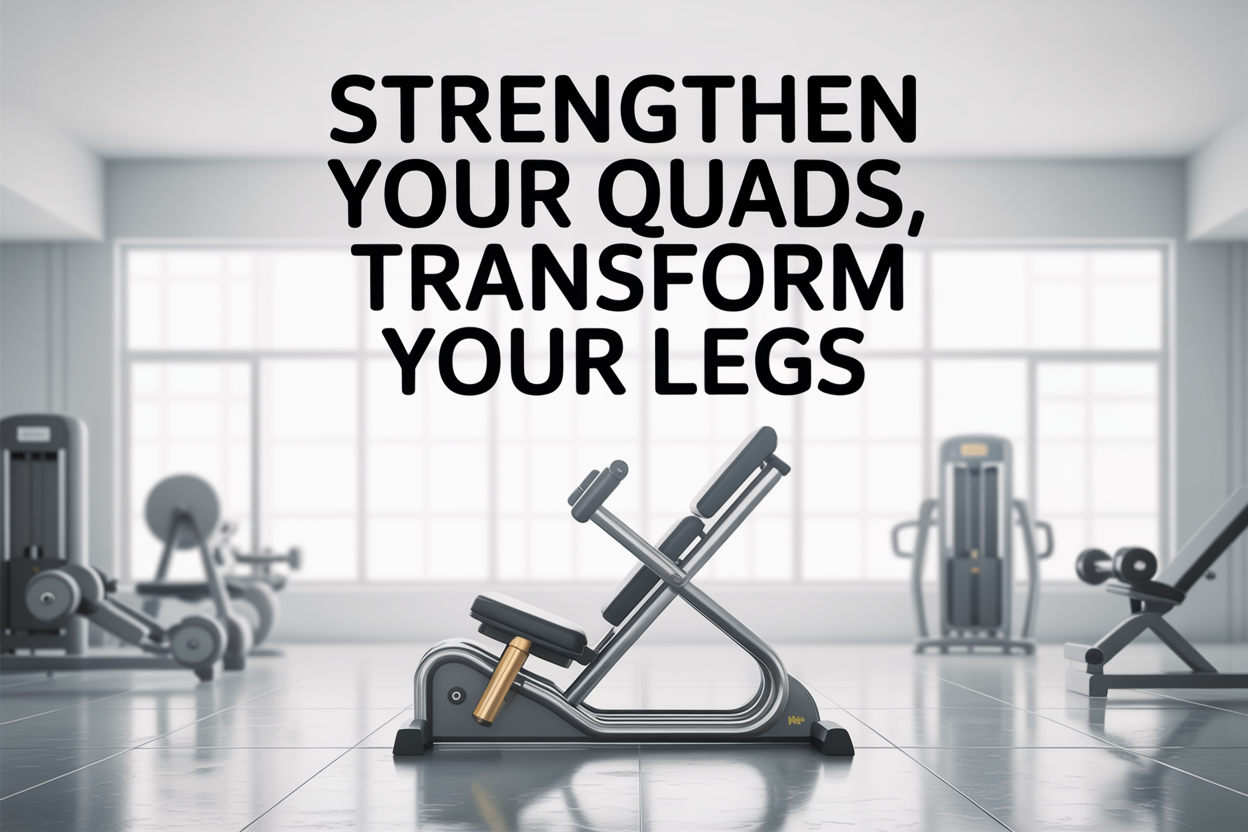
The leg extension machine is a great way to strengthen your quadriceps, the muscles in the front of your thighs. These muscles are key for movements like walking, running, and jumping. By using this machine, you can build stronger, more toned legs. It helps support your knees, making everyday tasks and sports easier to perform. Whether you are at the gym or working out at home, the leg extension machine is an effective tool for boosting leg strength.
How Does the Leg Extension Machine Target the Quadriceps?
The leg extension machine isolates the quadriceps by making you extend your legs against resistance. When you sit on the machine, the pad rests on your lower legs. As you straighten your legs, your quadriceps work to lift the weight. This focused movement helps strengthen and tone your quads. Unlike squats, which use multiple muscles, leg extensions isolate the quadriceps, allowing you to concentrate on building strength in these muscles alone.
Is the Leg Extension Machine Suitable for Beginners?
Yes, the leg extension machine is beginner-friendly. Start with light weights to focus on getting the form right. Most machines are adjustable to fit your body size. Make sure the seat and footpadare positioned correctly. If you’re new to the machine, take it slow and focus on controlling the movement. Once you feel comfortable, you can increase your weight to build strength.
Proper Usage and Technique
How to Set Up a Leg Extension Machine Correctly
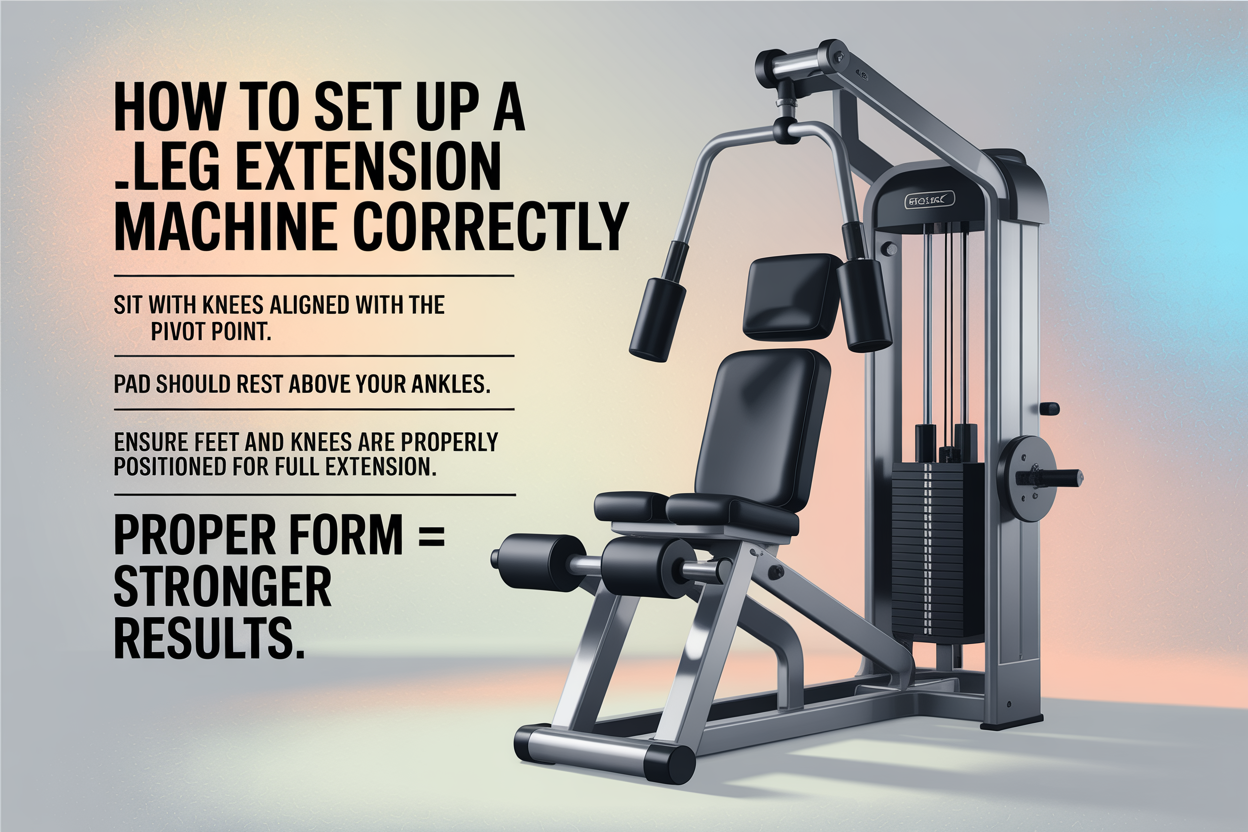
Setting up the leg extension machine is simple, but it’s important to do it right. Sit on the machine and adjust the seat so that your knees are in line with the pivot point. The pad should rest just above your ankles. If the pad is too high or too low, you could hurt your knees. Make sure the footpad is in the right position so your legs can extend fully without locking your knees. Take your time to adjust everything—this step is key to making your workout safe and effective.
What is the proper form for leg extensions?
Good form is everything. Sit up straight with your back against the seat. Keep your torso relaxed. As you extend your legs, do it slowly and feel your quads working. Don’t swing or jerk the weight. Control each rep. Keep your feet flexed and your knees soft when you reach the top. It’s not about speed; it’s about feeling each movement. Proper form helps you build strength and avoid injury.
What is the recommended range of motion for leg extensions?
The right range of motion is crucial. Extend your legs fully, but stop just before locking your knees. This keeps the muscles engaged and protects your joints. Lower the weight slowly and feel the stretch in your quads. Don’t rush through the exercise. Moving slowly gives you more control and helps you avoid injury. Focus on smooth, controlled movements to get the most out of each rep.
Safety and Injury Prevention
How Can You Prevent Knee Strain While Using the Leg Extension Machine?
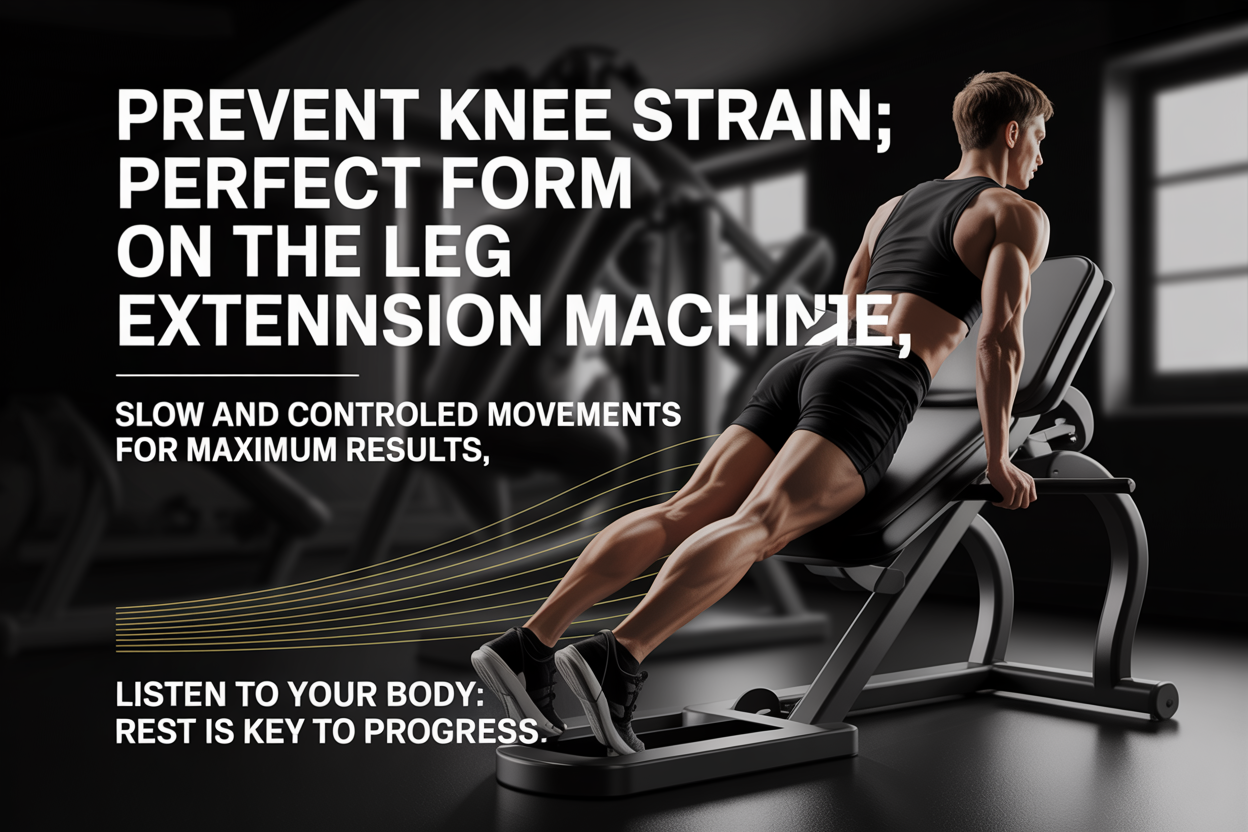
Your knees need extra care. To avoid strain, make sure the pad is placed just above your lower legs, not on your knees. When extending your legs, avoid jerking or pushing the weight too fast. Move slowly and focus on control. This keeps the pressure off your knees and lets your quadriceps do the work. Don’t rush through the exercise. Proper form is always more important than lifting heavy weights. Treat your knees well, and they will support you for years to come.
Can Leg Extensions Cause Knee Injuries?
Yes, if done incorrectly, leg extensions can cause knee strain or injury. However, with the right form, they are safe and beneficial. The most important thing is not to lock your knees at the top of the movement. Keep your knees slightly bent to avoid putting too much pressure on the joint. Also, focus on slow, controlled movements. This way, you reduce the risk of injury and get the most benefit from your workout.
What Are the Signs of Overtraining With Leg Extensions?
Overtraining can show up as joint pain or extreme fatigue. If you feel a dull ache in your knees or notice your legs feeling unusually tired, you may be overdoing it. It’s okay to take a break. Your muscles and joints need time to recover. Rest is just as important as the workout. If you feel tired, listen to your body and give it the time it needs to heal. This helps you avoid injury and keeps your progress steady.
Advanced Leg Extension Techniques and Variations
What Are Single-Leg Leg Extensions and How to Perform Them?
Single-leg leg extensions are a great way to target each leg individually. This move helps you focus on one leg at a time, building more balanced strength. To do this, set the machine so that one leg works at a time. Sit up straight and extend one leg fully while keeping the other leg bent. Slowly lower the extended leg back down and repeat. Single-leg extensions are perfect for fixing muscle imbalances. By working each leg separately, you give each side the attention it needs. The key is to feel the muscle working, not to rush through it. Take your time with each rep, and let the muscle grow stronger.
How to Incorporate Drop Sets into Leg Extension Workouts?
Drop sets are a fantastic way to push your muscles to the next level. After finishing your regular set, drop the weight by 10-20% and continue until you can’t do another rep. Keep lowering the weight and going until you feel completely exhausted. Drop sets help your muscles keep working even after they’ve reached their limit. They’re perfect for building muscle strength and endurance. But remember, it's not about how much weight you lift—it's about how many controlled, slow reps you can do. Drop sets teach your muscles to work harder, and that leads to growth.
What Role Does Tempo Training Play in Leg Extensions?
Tempo training is all about slowing down your movements to build strength. For example, lower the weight slowly while counting to three, then quickly extend your legs. This keeps the muscles under tension for longer, which can help them grow. By controlling the speed of each rep, you push your muscles to work harder. Tempo training helps you focus on every detail of the movement. It’s not about rushing through the set; it’s about controlling each rep and feeling the muscle activate.
Final Thoughts
Using the leg extension machine is more than just a workout. It’s a way to strengthen your legs and protect your knees. When done correctly, it helps you build muscle and stay safe. Focus on good form, control, and consistency, and you’ll see real results.
Remember, fitness is about progress, not perfection. Whether you are new to the leg extension machine or have been using it for years, always pay attention to your body’s signals. The goal is to challenge yourself, not push too hard. Start slow, listen to your body, and build strength over time.
At Hamilton Home Fitness, we are here to support your fitness journey. We offer the best equipment, expert advice, and personalized help to guide you every step of the way. With the right tools and knowledge, you can reach your goals safely and effectively. Take that next step today—your stronger, healthier self is just around the corner.