The weight bench is a key tool in strength training. It helps you build muscle, increase endurance, and boost your fitness. Whether you are just starting or have years of experience, knowing how to use a weight bench the right way is important for safety and getting the best results. In this guide, we’ll show you how to use a weight bench to reach your fitness goals.
What is a Weight Bench?
A weight bench is equipment that supports your body when doing exercises. It gives you a stable base for lifting weights and doing exercises like the bench press, chest flys, and more. Whether at home or in the gym, a weight bench helps you target different muscles.
Why Use a Weight Bench?
Works Many Muscles: Helps you work your chest, shoulders, arms, legs, and abs.
Builds Strength: Great for building muscle and strength.
Keeps You Safe: Offers support to keep your body stable while lifting weights.
More Exercises: You can do incline, decline, and flat bench exercises.
How to Set Up Your Weight Bench
Setting up your weight bench correctly is key for safety and getting the best results. Here’s how to do it:
Adjust the Bench: You can set the bench to different positions. Flat, incline, and decline are the main options. Choose based on the exercise you are doing.
Make Sure It’s Stable: Place the bench on a flat, even surface. Test it to make sure it’s stable before you start.
Secure the Weights: Always check that weights are placed securely on the bench or holders.
Top Weight Bench Exercises
Using the weight bench, you can do many exercises to build strength and muscle. Here are a few to try:
1. Bench Press
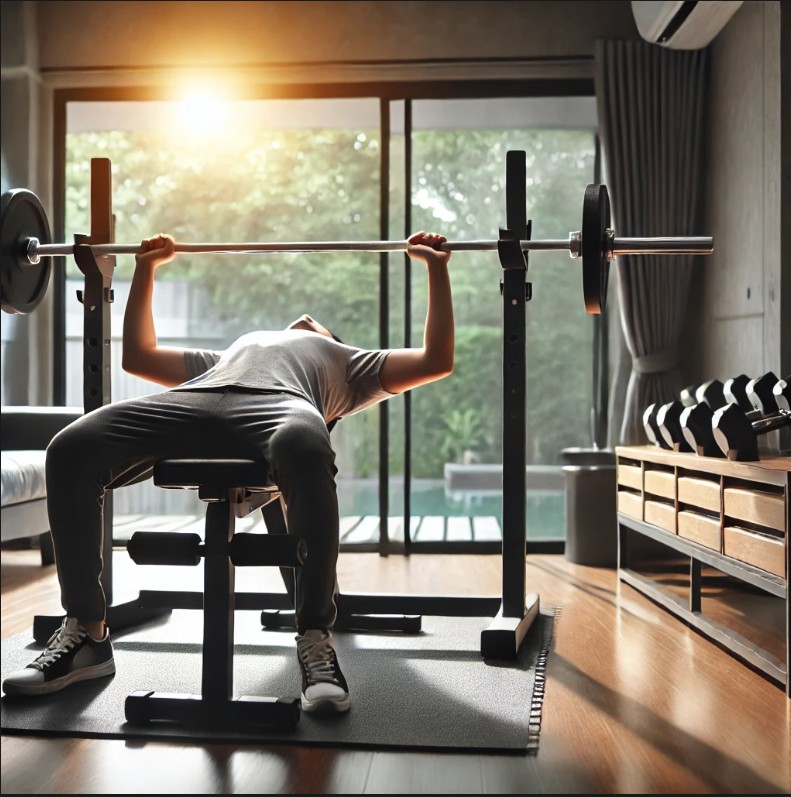
The bench press is a great way to build strength. It works your chest, shoulders, and arms. You can use a barbell or dumbbells. Adjust the bench to flat, incline, or decline to target different areas of your chest.
Tip: Keep your feet flat on the floor and focus on your form.
2. Dumbbell Chest Press
This exercise is like the bench press, but you use dumbbells. It helps you get a bigger range of motion and engages your stabilizer muscles.
Tip: Keep your elbows at a 45-degree angle to protect your shoulders.
3. Chest Flys
Chest flys stretch and work the chest muscles. This exercise isolates the chest and helps you build strength.
Tip: Keep your elbows slightly bent. Focus on the stretch and squeeze.
4. Leg Workouts
The bench is also great for leg exercises. Try Bulgarian split squats or step-ups to work your legs and glutes.
Tip: Keep your posture straight and avoid letting your knee go past your toes.
5. Tricep Dips
Tricep dips work the back of your arms. Place your hands behind you on the bench and dip your body down to engage the triceps.
Tip: Keep your elbows close to your body to avoid shoulder strain.
6. Core Exercises
Use the weight bench for abs exercises like sit-ups, leg raises, and decline crunches. The decline position makes the workout harder and more effective for your core.
Safety Tips for Using a Weight Bench
Here are some safety tips to keep in mind when using a weight bench:
1. Use a Spotter
When lifting heavy weights, it’s important to have someone to spot you in case you need help.
2. Keep Proper Posture
Make sure your back is flat on the bench. Keep your feet on the floor, and avoid arching your back too much.
3. Start Light
If you are new to an exercise or lifting, start with lighter weights. Focus on learning the proper form before adding more weight.
4. Breathe Properly
Exhale as you lift the weight and inhale as you lower it. This helps engage your core and keeps your body safe.
5. Don’t Rush
Take your time with each movement. Moving too fast can lead to mistakes and injuries.
How to Use a Weight Bench for Different Goals
A weight bench helps you reach different fitness goals. Here’s how to use it for strength, muscle building, and toning:
For Strength
If you want to get stronger, lift heavier weights with fewer reps (4-6). Focus on big lifts like the bench press and dumbbell presses. Make sure to gradually increase the weight over time.
For Muscle Building
To build muscle, use moderate weights and aim for 8-12 reps. Focus on exercises like chest flys, dumbbell presses, and incline bench presses to work your muscles from different angles.
For Toning
If you want to tone your muscles, use lighter weights and do 15-20 reps. Perform controlled movements and focus on exercises like leg raises and step-ups.
Weight Bench Safety Tips
Warm Up: Always warm up before using the weight bench. Try lighter weights or stretches to prepare your muscles.
Don’t Overload: Never use weights that are too heavy. If you can’t lift with good form, lower the weight.
Clean Equipment: Wipe down the bench and weights after each use to keep everything clean and in good shape.
Frequently Asked Questions (FAQs)
1. What muscles do I work with a weight bench?
A weight bench helps work your chest, shoulders, arms, legs, and core.
2. How do I do a proper bench press?
Keep your feet flat, grip the bar with hands slightly wider than shoulder-width, and lower the bar to your chest. Push it up slowly.
3. Can I do leg exercises on a weight bench?
Yes! You can do Bulgarian split squats, step-ups, and other leg exercises using a weight bench.
4. How do I use an adjustable weight bench?
An adjustable bench lets you change the angle for different exercises. Use the flat position for presses, the incline for upper chest exercises, and the decline for lower chest and abs.
Conclusion: Get Stronger with the Right Weight Bench
A weight bench is a great tool for building strength and muscle. By using the right exercises and focusing on safety, you can get the most out of your workouts. If you're looking for a quality weight bench, check out Hamilton Home Fitness for top-rated equipment.
Ready to Get Started?
Check out Hamilton Home Fitness for a wide range of weight benches and equipment to help you reach your fitness goals.