Pull-ups are among the most challenging and rewarding exercises for building upper body strength. Whether you're a beginner looking to achieve your first pull-up or an advanced athlete aiming to increase your reps, mastering this exercise requires dedication, consistency, and the right training techniques. This comprehensive guide will explore effective strategies, actionable tips, and expert insights to help you rapidly improve your pull-up performance.
The Power of Pull-Ups: Why They Matter
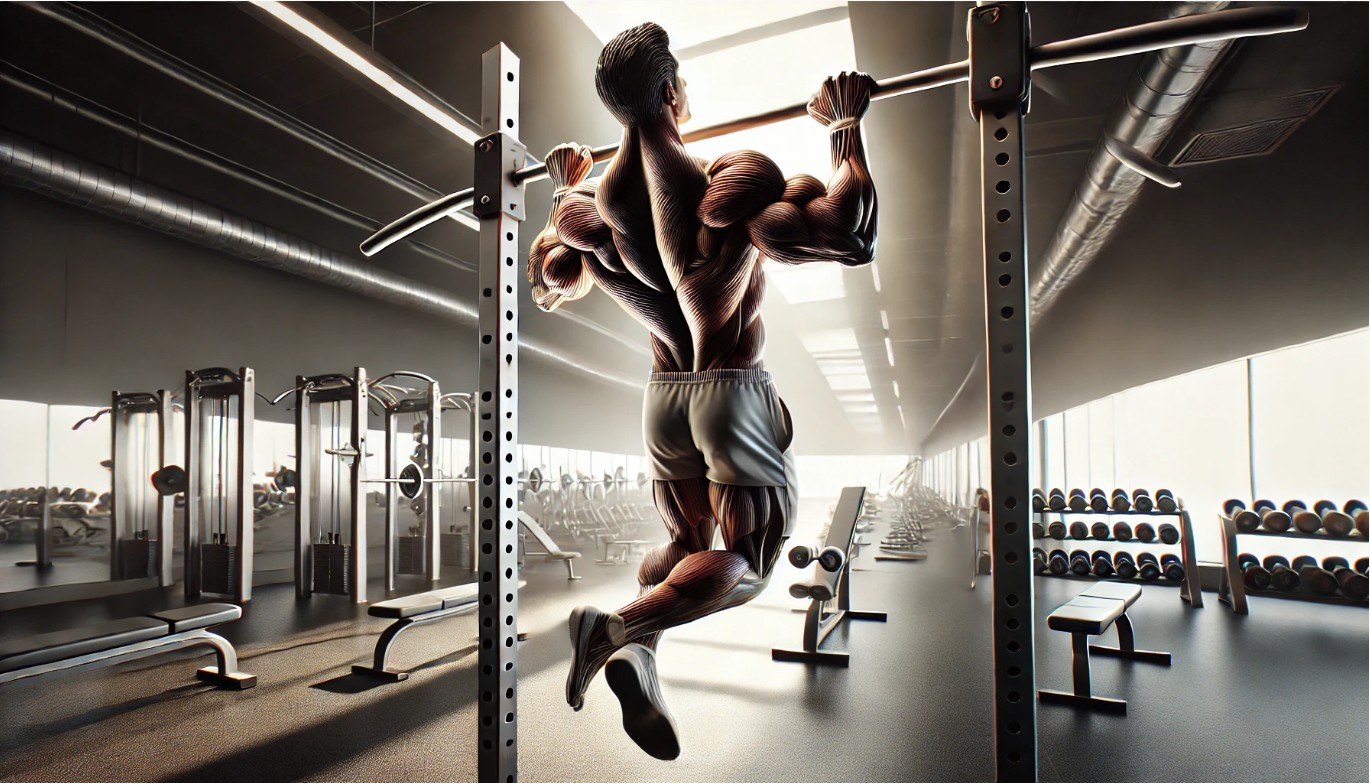
Pull-ups are a compound exercise that engages multiple muscle groups, including the lats, biceps, shoulders, and core. Their effectiveness in building upper body strength makes them a staple in bodyweight and strength training routines. But despite their benefits, many individuals struggle to perform pull-ups, often due to a lack of proper technique, insufficient strength, or a lack of consistent training.
The good news? With the right approach, anyone can improve their pull-up ability. Whether you want to perform one pull-up or 20, this guide provides actionable steps to help you master the exercise, increase your repetitions, and build lasting upper body strength.
The Science Behind Pull-Ups: Understanding the Basics
Before diving into training techniques, it's essential to understand the muscles involved in a pull-up and how they contribute to the movement. Pull-ups primarily target the following muscle groups:
- Latissimus Dorsi (Lats) – These large muscles in the back are responsible for the pulling motion that brings your chin above the bar.
- Biceps – Your biceps assist in pulling your arms toward your body, contributing significantly to the upward movement.
- Trapezius and Rhomboids – Located in the upper back, these muscles help stabilize the shoulder blades and assist with pulling.
- Core Muscles – Your abs and obliques engage during a pull-up to stabilize your body and prevent swinging.
- Forearms – Grip strength plays a crucial role in performing pull-ups, and your forearm muscles assist in maintaining a firm hold on the bar.
By understanding the key muscle groups involved in pull-ups, you can develop a targeted training plan to strengthen these muscles and improve your pull-up performance.
1. Build Strength with Progressive Overload
One of the most effective ways to improve your pull-ups is to use the principle of progressive overload. This means gradually increasing the intensity of your workouts to force your muscles to adapt and grow stronger.
Step-by-Step Guide to Progressive Overload:
- Start with Assisted Pull-Ups: If you're a beginner, use resistance bands or an assisted pull-up machine to perform pull-ups with less body weight. These tools help you build strength while ensuring proper form.
- Negatives (Eccentric Pull-Ups): Negative pull-ups are an excellent way to build strength if you cannot perform a full pull-up. Use a box or bench to jump to the top position (chin over the bar), then slowly lower yourself with control. Gradually increase the time it takes to lower yourself.
- Add Weight: As you gain strength, incorporate weight into your pull-ups using a weight belt or vest. This increases the intensity of the movement and helps you continue progressing.
- Gradually Increase Reps: Aim to increase the number of reps over time. Start with a manageable number of pull-ups and work on adding one or two more as you progress.
2. Master the Correct Form
Proper form is critical for performing pull-ups efficiently and preventing injury. Poor form can reduce your performance and strain your muscles unnecessarily. Follow these tips to ensure you're executing pull-ups correctly:
Key Points for Proper Pull-Up Form:
- Engage Your Core: Tighten your core muscles to prevent swinging and keep your body stable during the movement.
- Grip: Your hands should be placed slightly wider than shoulder-width apart, with your palms facing away from you (overhand grip). Focus on squeezing the bar firmly.
- Pull with Your Back: Imagine pulling with your elbows rather than your hands. This will engage the back muscles more effectively and reduce strain on the biceps.
- Controlled Descent: Lower yourself slowly and with control. This eccentric phase builds strength and muscle definition.
- Avoid Swinging: Keep your legs and torso still during the movement. If you're swinging or using momentum, you're not targeting the muscles effectively.
3. Train Your Grip Strength
Grip strength is essential for performing pull-ups, especially as you work toward higher repetitions. If your grip gives out before your muscles do, you won't be able to complete the exercise. Improve your grip strength with these strategies:
- Farmer's Walks: Hold a heavy dumbbell or kettlebell in each hand and walk for time or distance. This challenges your grip and forearms while engaging your core and legs.
- Dead Hangs: Hang from a pull-up bar for as long as possible, aiming to increase the duration gradually. This builds grip strength and helps you become more comfortable hanging from the bar.
- Towel Pull-Ups: Hang a towel over a pull-up bar and perform pull-ups while gripping the towel. This simulates a more challenging grip and strengthens your forearms.
4. Incorporate Accessory Exercises
While pull-ups are a fantastic exercise, complementary exercises can enhance your performance by strengthening the muscles used during the movement. Consider adding these exercises to your routine:
Recommended Accessory Exercises:
- Lat Pulldowns: The lat pulldown machine mimics the pull-up motion and is an excellent alternative for strengthening your lats and biceps.
- Rows: Barbell or dumbbell rows target the upper back and biceps, helping to build the pulling power required for pull-ups.
- Bicep Curls: Strong biceps contribute significantly to pull-ups. Incorporate curls to isolate and strengthen the biceps.
- Core Exercises: Incorporate planks, leg raises, and other core exercises to improve overall stability during the pull-up movement.
5. Consistency Is Key
Improvement in pull-ups doesn't happen overnight. Consistency is critical to achieving rapid progress. Incorporate pull-ups or pull-up variations into your workout routine two to three times per week. Be patient and trust the process.
Research & Sources
To build a successful pull-up routine, it's essential to refer to evidence-based research and expert advice. According to Harvard Health Publishing, compound exercises like pull-ups improve muscle strength and endurance. Additionally, Strength and Conditioning Journal research suggests that eccentric training (such as negative pull-ups) is a highly effective way to increase strength and muscle mass.
By following expert advice and leveraging research-backed techniques, you can optimize your training and achieve faster progress.
FAQ
1. How long does it take to get better at pull-ups?
Improvement time varies depending on your starting point. Beginners may take several months to perform a full pull-up, while intermediate athletes may notice progress within a few weeks. Consistency and proper training are key.
2. Can I improve my pull-up performance without access to a pull-up bar?
You can improve pull-up strength with lat pulldowns, rows, and resistance band exercises. However, nothing mimics the pull-up motion like the pull-up itself, so it's ideal to have access to a pull-up bar.
3. How many pull-ups should I be able to do?
The number of pull-ups you should be able to do depends on your fitness goals. If you're a beginner, focus on building up to one pull-up. As you progress, aim to increase the number of reps based on your strength and training regimen.
Conclusion
Improving your pull-up performance requires strength training, proper technique, consistency, and progressive overload. Following the strategies outlined in this guide can increase your pull-up ability, build upper body strength, and achieve your fitness goals faster. Remember, pull-ups are a journey, not a destination, and with time and effort, you will see impressive results.
At Hamilton Home Fitness, we believe in empowering individuals to reach their fitness potential. Whether you're a beginner or an advanced athlete, our equipment and resources are designed to help you improve your strength and performance. Start building your pull-up prowess today and experience the difference with the best fitness tools on the market.
Call to Action: Ready to take your fitness to the next level? Visit Hamilton Home Fitness for top-of-the-line training equipment and expert advice to help you achieve your goals!