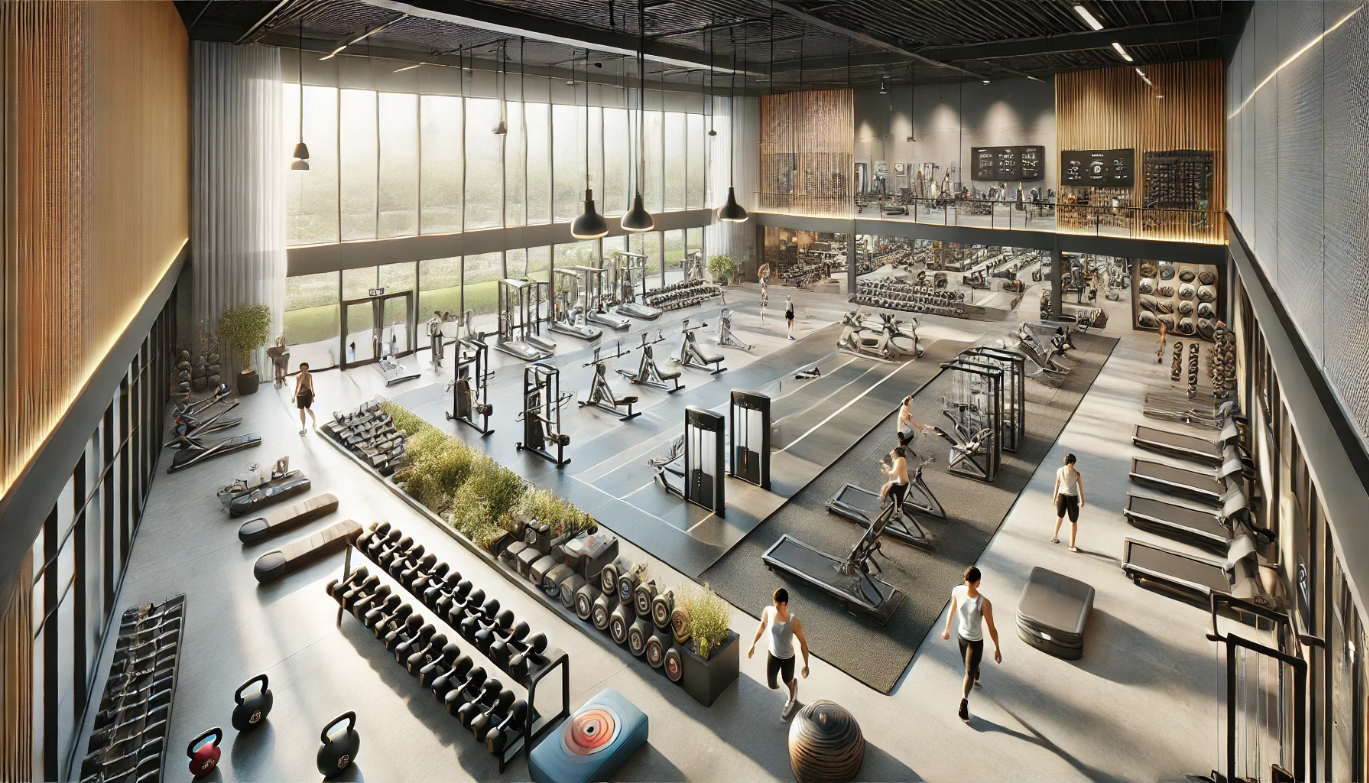
Did you know that 80% of gym members leave within six months? A poor gym layout is often the reason. If gyms aren't designed well, members feel crowded and frustrated. That leads to fewer people coming back. A bright gym layout is not just about looks. It's about ensuring members can use the equipment efficiently and enjoy their workouts.
Designing a good commercial gym layout is key to making members happy and keeping your gym running smoothly. Whether you're starting fresh or fixing an old layout, it affects how the gym works daily. A bad layout causes problems like long waits for equipment and crowded areas.
At Hamilton Home Fitness, we know how important having a bright gym layout is. This post will share tips on how to make your gym layout work better. You'll learn how to use space well, place equipment right, and keep the flow of people smooth. After reading, you'll have a plan to improve your gym and make it more popular with members.
1. Understanding the Space and Its Purpose
Before you start designing, you need to know the space you have. Whether your gym is big or small, you must plan the layout based on what works for your gym's goals.
How to Assess the Space
- Square Feet: Measure the space. Knowing how much room you have helps you plan how many machines or areas you can fit.
- Ceiling Height: A high ceiling gives you more room for equipment. If the ceiling is low, you'll need to adjust.
- Member Count: Think about how many people you expect in the gym. A busy gym needs more space between machines.
At Hamilton Home Fitness, we help gym owners maximize their space. The right equipment, like Commercial Gym Equipment, can help you use your space wisely without making it too crowded.
2. Optimizing Traffic Flow in Your Gym Layout
A good gym layout helps people move smoothly. If members can't move easily, the gym feels cramped and chaotic. When you plan your design, think about how people will move around the gym.
How to Improve Traffic Flow:
- Separate Zones: Make sure each area has a clear purpose. For example, put cardio machines in one zone, strength training in another, and stretching in a quiet area.
- Wide Walkways: Keep the pathways wide so members can move freely.
- Signs: Clear signs will help members find their way to different areas, like the water station or the restroom.
Good traffic flow makes the gym feel organized and easy to use, which makes your members happier.
3. Placing Equipment Right
Where you place your equipment is essential. Poorly placed machines can create chaos, while good placement makes everything run smoothly.
Cardio Equipment:
Cardio machines, like treadmills, bikes, and ellipticals, get used a lot. Here's how to arrange them:
- Group similar machines together.
- Place them near windows to let in natural light. It keeps people energized.
- Leave enough space between machines so people don't feel cramped.
Strength Training and Weights:
For weight lifting and resistance training:
- Keep weight benches, squat racks, and dumbbells together.
- Leave enough room around each piece of equipment for safety.
- Group similar equipment so it's easy to find what you need.
4. Flexible Spaces for Multiple Uses
More and more gyms are designing spaces that can be used for different activities. Flexible areas help you get more from your space.
Group Fitness Areas:
Classes need space, but not all the time. Use walls that move or floors that can be changed. You can use the area for classes or free space as needed.
Functional Training Zones:
Functional training is a popular workout trend. These zones focus on exercises that mimic everyday movements. Set up an open area with enough room for people to do exercises like kettlebell swings or jumping jacks.
Stretching and Recovery Zones:
Create quiet areas for stretching or foam rolling away from the noisy equipment zones. This will give members a peaceful space to recover after a tough workout.
5. Keep the Gym Clean and Organized with Storage
A clean, organized gym works better and looks more inviting. Equipment can get messy without enough storage, causing frustration and safety risks.
Storage Tips:
- Use Vertical Space: Hang equipment on the walls or use shelves to save floor space.
- Hidden Storage: Store small items, like mats or bands, in cabinets or bins to keep things tidy.
- Designated Spaces: Label areas clearly so everyone knows where to return equipment after use.
Good storage helps keep the gym neat and gives more space for workouts.
6. Create an Inviting and Motivating Atmosphere
A good atmosphere keeps people coming back. Members will enjoy their workouts more if the gym feels comfortable and motivating.
Lighting and Temperature:
- Lighting: Use bright lights in workout areas, but not too harsh. It keeps the space energizing.
- Temperature: Make sure your gym isn't too hot or cold. Keep the temperature steady for comfort.
Music and Sound:
Music is great for motivation, but keep the volume at the right level. You don't want it too loud in the cardio area and too quiet in the weight area. A balanced sound system for each zone can improve the overall experience.
7. Safety and Accessibility
Safety is a top priority in every gym. The layout should ensure that all members, including those with disabilities, can use the space comfortably.
Make Your Gym Accessible:
- Make sure there's enough space for wheelchairs to move between equipment.
- Place clear signs for safety and emergency exits.
- Keep equipment well-maintained and provide easy-to-read instructions on how to use it.
Building a Commercial Gym Layout That Works
Designing a gym layout is about more than just fitting machines into space. You must consider how people move, where equipment goes, and how to make the gym safe and comfortable. If you keep these tips in mind, you'll create a gym that's easy to use and makes your members happy.
If you're ready to create a better gym layout, consider checking Hamilton Home Fitness for advice and Commercial Gym Equipment to help you get started. We offer expert help and the best equipment for your gym.
Frequently Asked Questions (FAQ) about Designing a Commercial Gym Layout for Efficiency
1. What are the most important factors when designing a commercial gym layout?
Focus on traffic flow, equipment placement, and safety. Make sure the layout has clear zones and enough space for easy movement.
2. How can I improve traffic flow in my gym layout?
Create separate areas for different activities, keep walkways wide, and use signs to guide members to key places.
3. Should I separate cardio equipment from strength training areas?
Separating these areas reduces congestion and lets members focus on their workouts without distractions.
4. What is the best way to maximize small gym spaces?
Use vertical storage, flexible areas for different activities, and an open layout to create a spacious feel.
5. How can I make my gym more inclusive for all members?
Make the gym wheelchair accessible, offer equipment for all fitness levels, and create quiet spaces for recovery.
Final Thoughts
Designing a commercial gym layout for efficiency is essential to keeping your gym members happy and your business running smoothly. With these tips, you'll have a clear plan to improve your gym's layout, increase member satisfaction, and grow your business.
If you're looking for advice or equipment, check out Hamilton Home Fitness. We're here to help you create a gym that works for your members and staff.