Introduction
Choosing the right fitness equipment for your gym is essential. It affects both your members' experience and your business success. If you choose the wrong equipment, you might face high repair costs or lose members. But if you choose wisely, your gym can grow, and your members will stay happy.
There are many types of gym equipment to choose from. You want to pick high-quality machines that are easy to use and built to last. You set your gym up for long-term success when you make the right choice.
This guide will show you how to pick the best commercial fitness equipment. We will cover what to look for, how to make the right choice, and what matters most. By the end, you'll know exactly what to buy, making your gym a great place for everyone.
Types of Commercial Fitness Equipment
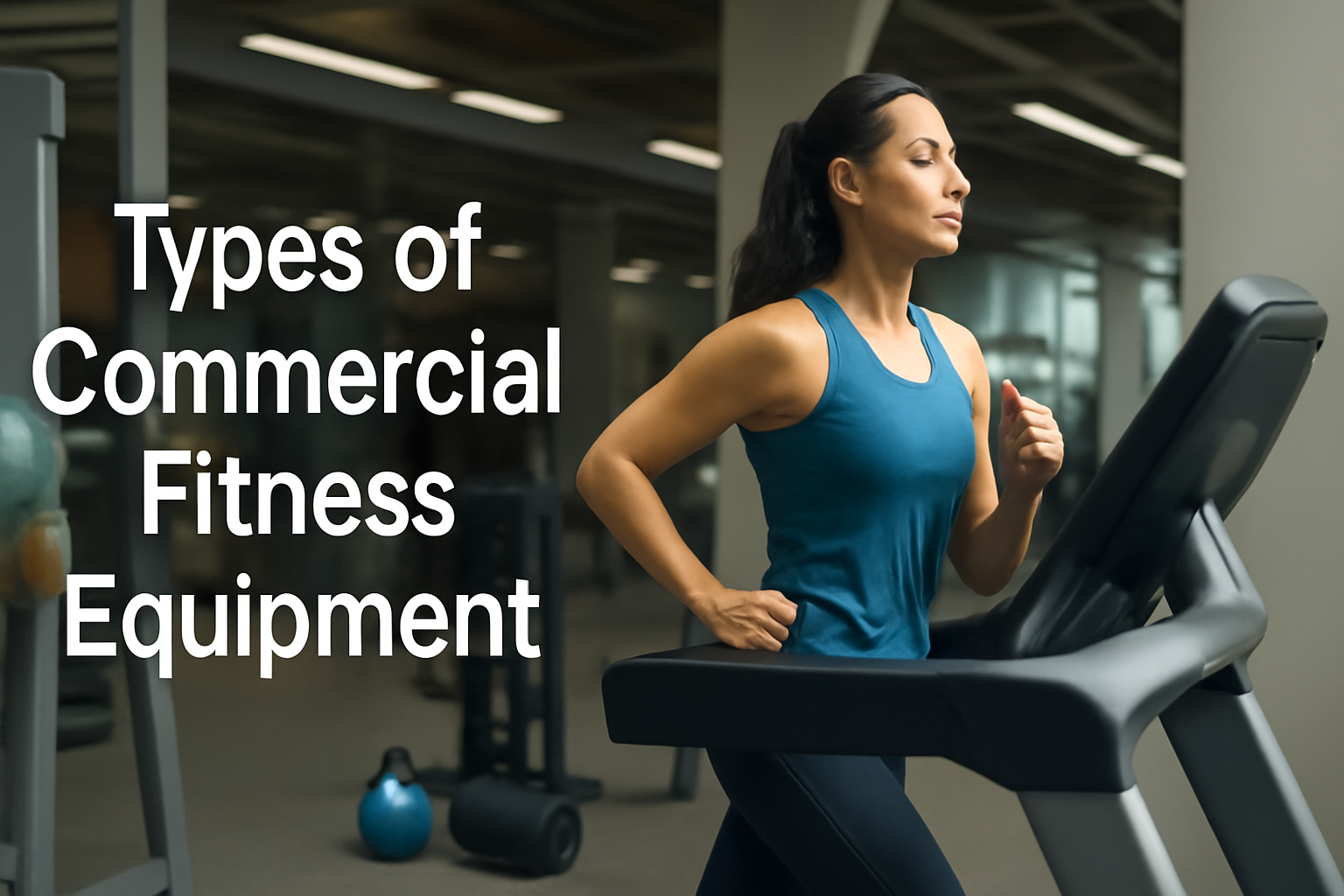
Choosing the right fitness equipment is key for any gym. Different types of equipment help your members reach their goals. Here's a simple guide to the main types of equipment for your gym:
Cardio Machines
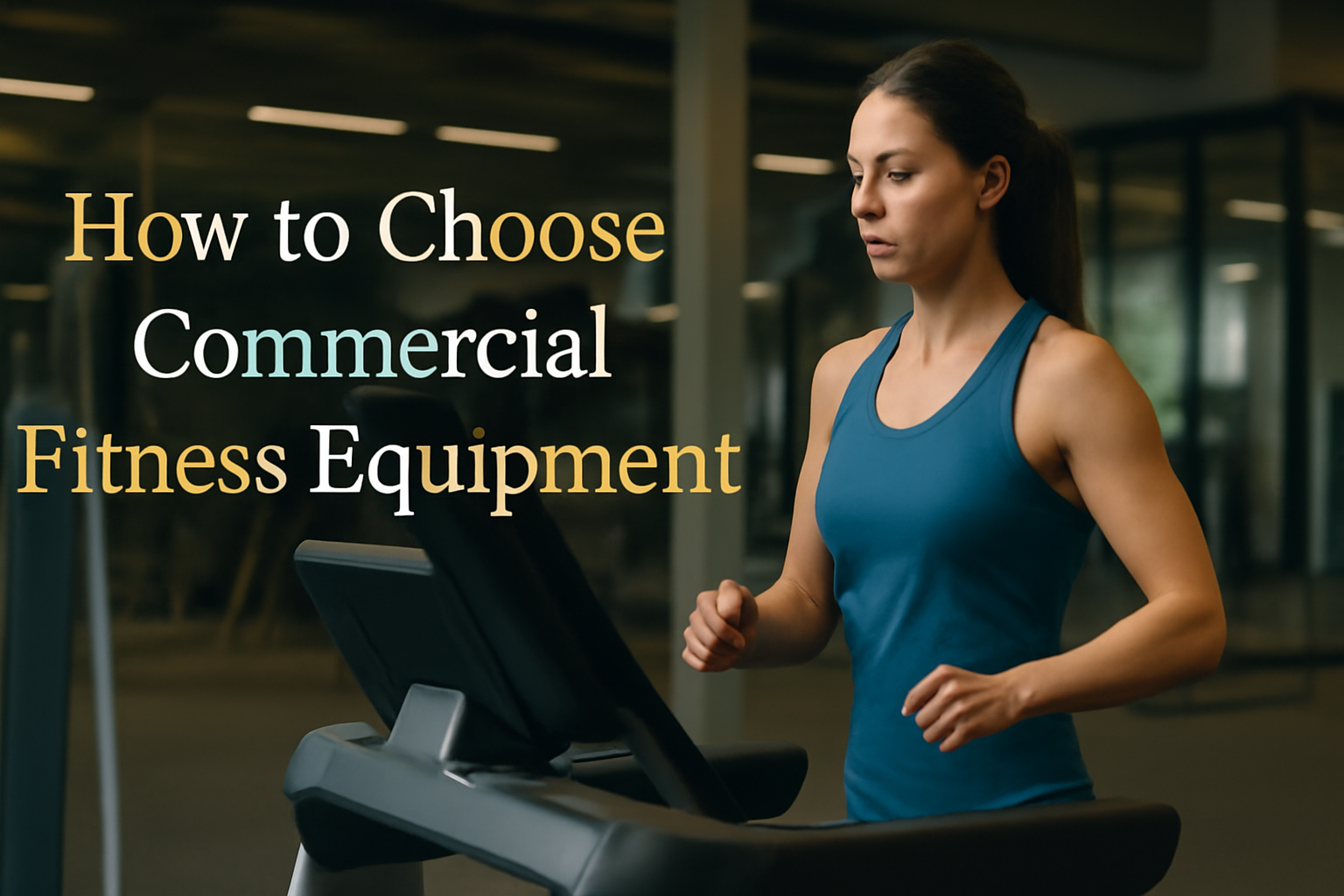
Cardio machines, such as treadmills, ellipticals, and stationary bikes, are a must in any gym. They help your members improve heart health, burn fat, and build endurance. Make sure to choose machines that are strong and last long. Precor and Life Fitness are known for their reliable cardio machines.
Strength Equipment
Strength training is key to building muscle. You'll need weight machines and free weights. Weight machines are good for beginners because they guide the user to ensure safe movements. Free weights, like dumbbells and barbells, are better for advanced users. Offering both types helps serve all fitness levels.
Functional Fitness Equipment
Functional fitness tools include kettlebells, medicine balls, and resistance bands. These tools help improve strength, balance, and flexibility. They are great for full-body workouts and are also popular for group training. These tools take up less space and are great for smaller gyms.
Recovery Equipment
Recovery equipment is essential for post-workout care. Foam rollers and stretching machines help release muscle tightness and improve flexibility. Offering these tools helps your members feel better and recover faster.
Why a Mix of Equipment Works Best
Having a variety of cardio, strength, functional, and recovery equipment makes your gym appealing to all types of members. It ensures that every member can find the right equipment for their fitness goals.
Key Factors to Consider When Choosing Equipment
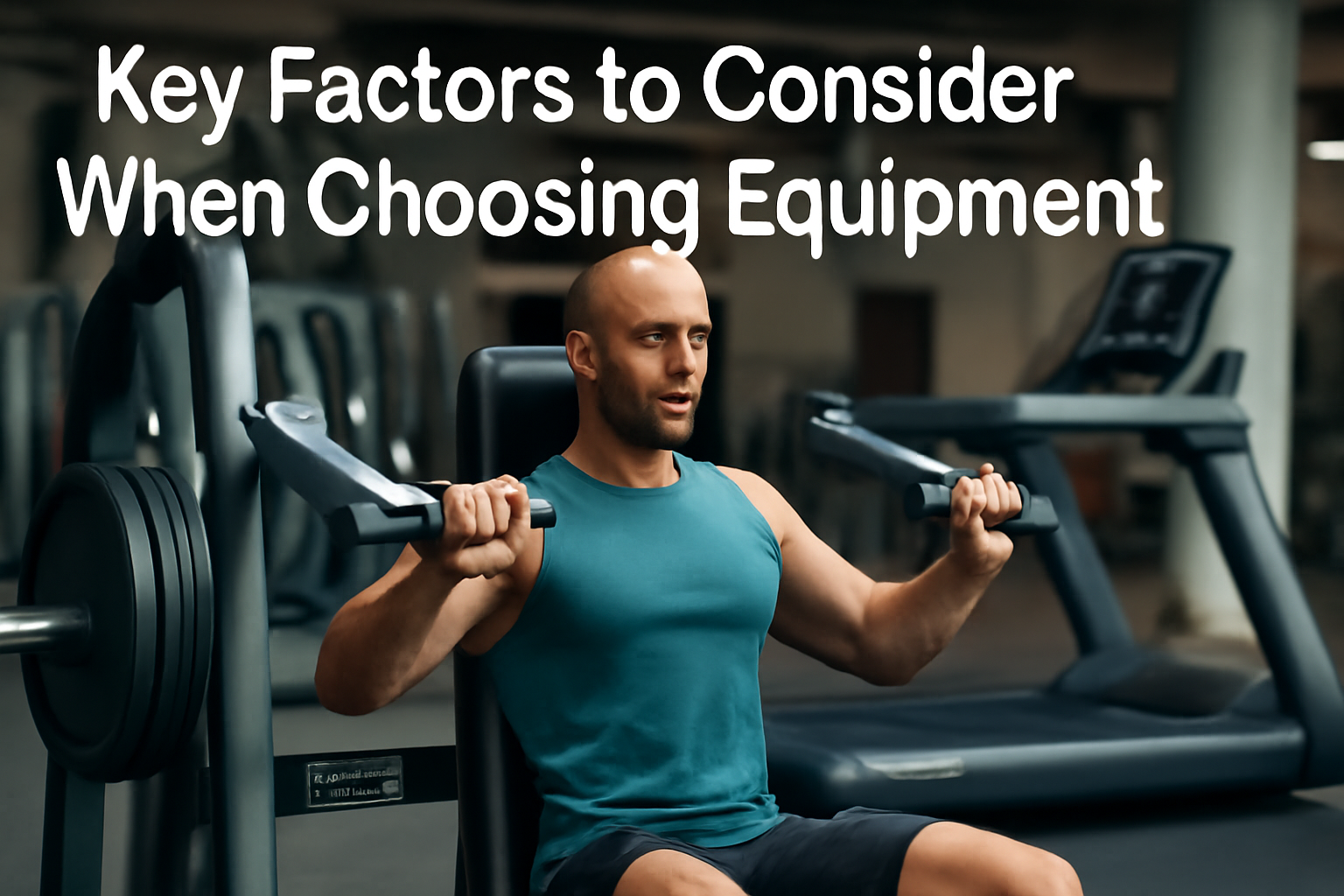
Choosing the right equipment goes beyond just picking what looks good. There are key factors to remember to ensure you get the best value and meet your gym's needs. Here's what to consider:
1. Quality and Durability
You want equipment that will last. Gym machines are used extensively every day, so invest in high-quality, durable equipment that can handle constant use. Look for machines built for commercial use, like those from brands such as Life Fitness or Hammer Strength. This will save you money in the long run by reducing repair costs and replacements.
2. Space Utilization
Consider the layout of your gym. Maximize your space by choosing equipment that fits well without overcrowding. Some machines, like treadmills, need a lot of space. Others, like resistance bands or kettlebells, take up less room and are easier to store. Think about organizing equipment so your members have plenty of room to move around safely.
3. Budgeting
Cost is always a factor. Balancing price with value is key. While it's tempting to go for cheaper options, cheaper machines might wear out faster. Look for equipment that offers good value for money. Sometimes, paying more upfront means fewer costs down the road. Consider buying and leasing options to see which works best for your budget.
4. Member Needs and Preferences
Every gym has a unique member base. Some members prefer cardio workouts, while others focus on strength training or functional fitness. Pay attention to what your members are using the most. If your gym has more beginners, you might want more weight machines. If you have experienced athletes, focus on free weights and functional equipment.
5. Maintenance and Warranty
Equipment needs regular maintenance. Look for machines that come with good warranties and support services. This can save you money on repairs. Regular cleaning and maintenance will also keep your equipment in top condition and ensure a safe environment for your members.
Buying vs. Leasing Commercial Fitness Equipment
Regarding fitness equipment, you have two main options: buying or leasing. Each has its pros and cons. Here's what you need to know to make the best decision for your gym:
Leasing Equipment
Leasing means renting the equipment for a set period, usually 2-5 years. Here are some benefits:
- Lower upfront costs: Leasing requires less money upfront, so it's easier on your budget.
- Access to newer equipment: Leasing allows you to upgrade to the latest models every few years.
- Flexible terms: Leasing contracts can be more flexible, allowing you to adjust your equipment as your needs change.
However, leasing might cost more over time if you keep renewing contracts. Also, you won't own the equipment at the end of the lease.
Buying Equipment
Buying means you own the equipment outright. This has its own set of benefits:
- Long-term savings: While buying is more expensive upfront, it's cheaper in the long run. You own the equipment, and there are no lease payments after it's paid off.
- Asset ownership: When you buy, the equipment becomes an asset for your business.
- Complete control: You can use the equipment as much as you want without worrying about lease terms.
The downside is the higher initial investment. You'll also need to handle any repairs or maintenance costs yourself.
Which is Better?
It depends on your gym's needs and budget. If you want flexibility and less initial cost, leasing might be a better choice. Buying may be the way to go if you plan to keep your equipment long-term and prefer ownership. Consider your gym's financial situation, how often you want to upgrade, and how much you can afford upfront.
5. FAQ
What is the best commercial fitness equipment for small gyms?
For small gyms, you should choose space-saving equipment. Resistance bands, kettlebells, and adjustable dumbbells are great options. These tools offer a full-body workout without taking up too much space. Foldable treadmills or stationary bikes that can be stored away are also good choices.
How do I know if a fitness machine is commercial-grade?
Commercial-grade machines are strong and durable, designed to withstand heavy use. Look for long warranties and high-quality brands. Popular commercial brands like Life Fitness and Precor are known for reliable, long-lasting equipment.
Is it better to lease or buy commercial fitness equipment?
It depends on your budget and needs. Leasing offers lower initial costs and flexibility to upgrade. Buying is better for long-term savings, especially if you keep the equipment for many years. Consider your gym's budget and how often you want to replace equipment.
How often should I maintain gym equipment?
Regular maintenance is essential. Clean and check your machines every month. Machines with heavy use may need more frequent care. Always follow the manufacturer's maintenance guidelines to keep your equipment in good shape.
6. Final Thoughts & Actionable Takeaway
Choosing the right fitness equipment is a big decision. It affects your gym's success and your members' experience. Focus on getting high-quality, durable equipment, and make sure it fits your gym's needs.
A mix of cardio, strength, and recovery equipment will help your gym thrive. Hamilton Home Fitness offers top-quality machines to meet your gym's needs and fit your budget.
Now it's time to act. Start by looking at the equipment that best suits your space. Pick equipment that your members will use often and enjoy. The sooner you get started, the sooner your gym will be ready to grow and succeed.
We want to hear from you! Comment below with your questions or share your thoughts. Check out our resources to learn more about building the perfect fitness center.