
Introduction
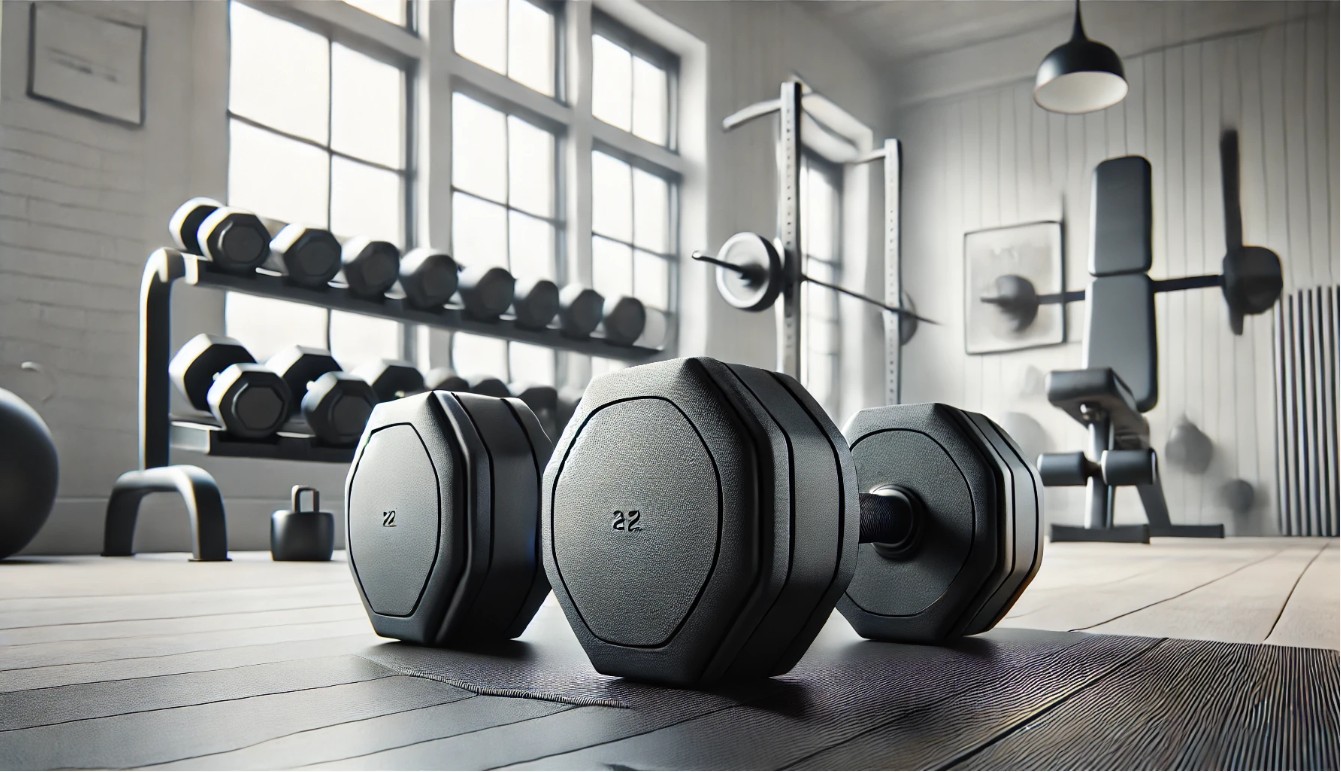
A rubber dumbbell set is an essential part of many home gyms and fitness routines. Whether you're building muscle, toning, or improving overall strength, these dumbbells provide a durable and versatile workout option. But just like any high-quality fitness equipment, proper care is necessary to ensure longevity and optimal performance.
In this comprehensive guide, we’ll explore everything you need to know about caring for your rubber dumbbell set. From cleaning tips to storage best practices, we’ll cover actionable steps that will keep your dumbbells in peak condition for years to come.
If you're investing in your fitness journey, keeping your rubber dumbbell set in top shape will save you money and enhance your workout experience. Let’s dive into how you can maintain your equipment for ultimate durability.
Why Rubber Dumbbells are a Smart Choice for Your Home Gym
Before we get into maintenance, let's understand why rubber dumbbells are so popular among fitness enthusiasts.
- Durability: Rubber-coated dumbbells are built to withstand wear and tear, and the rubber coating helps to protect both your floors and the dumbbells themselves.
- Comfort: Rubber handles provide a comfortable grip, making them easier to hold, especially during intense workouts.
- Noise Reduction: Unlike metal dumbbells, rubber-coated options produce less noise, making them ideal for home gyms.
But even the toughest dumbbells require care to maximize their lifespan. Now, let’s look at the best practices for keeping your rubber dumbbell set in excellent condition.
1. Cleaning Your Rubber Dumbbell Set: A Crucial Step
Why cleaning matters: Over time, your rubber dumbbells can accumulate dust, sweat, and grime. Not only does this make them look unattractive, but it can also cause the rubber coating to degrade if left unattended.
How to Clean Rubber Dumbbells
Materials Needed:
- Mild dish soap or gym equipment cleaner
- Warm water
- Soft microfiber cloth or sponge
- Towel for drying
Steps:
- Prepare your cleaning solution: Mix mild dish soap with warm water. Avoid harsh chemicals or abrasives, as they may damage the rubber.
- Wipe down the dumbbells: Dip your microfiber cloth or sponge into the soapy water and gently wipe down the rubber-coated heads of the dumbbells.
- Clean the handles: If the handles are coated in rubber or another material, ensure you wipe those as well. For non-rubber handles, a slightly damp cloth should suffice.
- Dry the dumbbells: After wiping them down, use a towel to dry the dumbbells to prevent any lingering moisture that could cause rust or corrosion.
- Frequency: Ideally, clean your dumbbells after each use to prevent sweat buildup, but a deep cleaning every few weeks is sufficient for general maintenance.
Bonus Tip:
Use a disinfectant wipe to clean the grips if they’re rubber-coated to help remove any bacteria or germs that may accumulate from sweaty hands.
2. Proper Storage: The Key to Longevity
Storing your rubber dumbbell set in the right way will help preserve their integrity. Improper storage can lead to unnecessary wear, which will shorten their lifespan.
How to Store Your Rubber Dumbbells
1. Use a Dumbbell Rack
Investing in a proper dumbbell rack is one of the best ways to keep your rubber dumbbells organized and protected. A rack will keep them off the ground, reducing the risk of damage from impacts or moisture exposure. It also helps to save space in your gym, giving you easy access to your weights.
2. Avoid Storing on Hard Surfaces
Don’t leave your dumbbells lying on hard surfaces like concrete or metal floors. These surfaces can cause unnecessary damage over time. If you have to place them on the floor temporarily, consider placing a rubber mat or soft padding beneath them to prevent scratches and dents.
3. Keep Out of Direct Sunlight
Excessive heat and direct sunlight can cause the rubber coating to deteriorate. Store your dumbbells in a cool, dry place, away from windows or areas with fluctuating temperatures.
4. Store According to Weight
For larger sets, arrange the dumbbells in order of weight on the rack. This will not only help with easy access but will also prevent the dumbbells from rubbing against each other, which can cause wear on the rubber.
You can learn more about the best rubber dumbbells for your home gym at our page on the Best Rubber Dumbbell Set.
3. Avoid Dropping Your Dumbbells: Protecting the Rubber Coating
Though rubber dumbbells are built for durability, they are still susceptible to damage if dropped from high distances.
How Dropping Affects Rubber Dumbbells
- Cracking: Impact from dropping can cause the rubber to crack, leading to weakened spots that can wear out quickly.
- Deformation: Consistent dropping can cause the rubber to lose its shape and integrity over time.
- Rusting (for metal handles): Dropping the dumbbells may also expose any metal components to air, leading to potential rusting if not cleaned and dried promptly.
Prevention Tips
- Always lower the weights slowly to the ground to avoid impact.
- Use dumbbell mats or soft flooring, especially for heavy-duty workouts like deadlifts or bench presses.
- If possible, use rubber bumper plates for high-intensity training to reduce the chance of dropping the dumbbells.
4. Check for Wear and Tear Regularly
Even with proper care, rubber dumbbells may experience gradual wear and tear over time. Performing regular inspections will help you catch any potential issues before they become bigger problems.
What to Look For:
- Cracks or splits in the rubber: These can worsen over time and may cause the rubber to peel off.
- Loose handles: If the rubber is separating from the handles, this may indicate that the dumbbells are starting to degrade.
- Rust or corrosion: If the dumbbell has a metal core, check for rust on the exposed parts, especially near the handle.
What to Do:
- If you find cracks or significant damage, it may be time to replace that dumbbell.
- Tighten any loose handles immediately to prevent further damage.
- Remove any rusted components and clean the area thoroughly to prevent further corrosion.
5. Keep Your Dumbbells Dry and Well-Ventilated
Excess moisture can cause the rubber coating to soften or break down. Always store your rubber dumbbells in a dry and well-ventilated area.
Why Drying Is Important:
- Prevents Mold Growth: Moisture buildup can encourage mold and mildew growth on your dumbbells, especially if stored in a damp environment.
- Protects the Rubber: Rubber becomes more susceptible to cracking and deterioration when it is constantly exposed to moisture.
Drying Tips:
- After each workout, wipe your dumbbells with a dry towel.
- Store them in an area with good air circulation to allow any residual moisture to evaporate.
6. The Importance of Using the Right Equipment for Your Routine
If you’re using a rubber dumbbell set for heavy lifting or explosive workouts, ensure that you’re using the right equipment. For example, consider using heavier, more durable dumbbells for intense training sessions and saving your lighter set for more controlled movements.
Matching Dumbbells to Exercises
- Light Dumbbells: Ideal for high-repetition exercises like curls, lateral raises, or tricep extensions.
- Heavy Dumbbells: Used for exercises such as squats, lunges, or deadlifts.
Using the proper weight for your exercises reduces the risk of strain and ensures that your rubber dumbbells are being used appropriately, enhancing their longevity.
Conclusion: Keep Your Rubber Dumbbells in Top Shape with Proper Care
A rubber dumbbell set can last for years if properly maintained. With a little time and effort, you can ensure that your dumbbells remain a valuable part of your fitness journey for the long haul. Regular cleaning, proper storage, and care can go a long way in preserving the quality of your equipment, ensuring that each workout is just as effective as the last.
By following these expert tips, you can enjoy the benefits of your rubber dumbbells without worrying about premature wear. And remember—proper care is an investment in your fitness future.
Ready to Upgrade Your Home Gym?
If you're looking for a high-quality rubber dumbbell set or other fitness gear, check out our selection at Hamilton Home Fitness. Whether you're just starting or building an advanced home gym, we have the equipment to meet your needs.