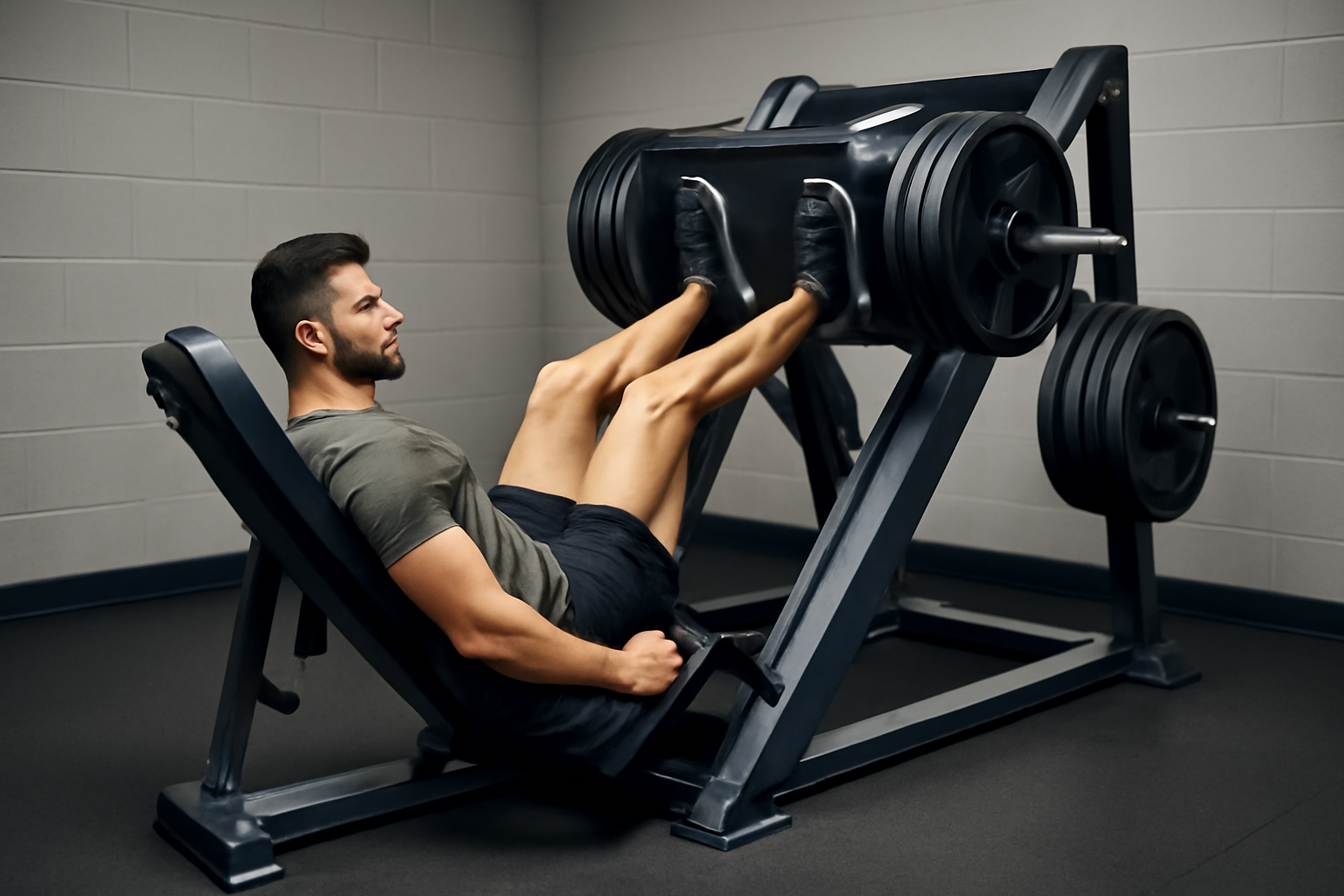
When it's time for leg day, many people wonder: How much weight should I start with on the leg press machine? It's an important question, and the answer isn't always easy. Choosing the right weight can help you avoid injury and get better results. But how do you know what weight is best for you?
The leg press machine is an excellent tool for building leg strength. It works muscles like the quadriceps, hamstrings, and glutes. But using too much weight can hurt your form. You might not see the desired results if the weight is too light. The goal is to find the correct weight that challenges your muscles without risking injury.
The good news is that there are simple steps you can take to figure out the right weight for your fitness level. Whether you're new to the gym or have been lifting for a while, this guide will help you understand how to pick the right weight for the leg press machine. We'll also show you how to increase the weight over time as you get stronger.
By the end of this article, you'll know exactly how to use the leg press machine safely and effectively. You'll be able to avoid common mistakes and get the best results.
Why is Choosing the Right Leg Press Machine Weight Important?
Choosing the right weight for the leg press machine is key to getting the best results. It's not just about lifting heavy—it's about safety, muscle growth, and hitting your goals.
1. Safety and Injury Prevention
Starting with the right weight helps keep you safe. If you use too much weight, you risk injury. Lifting heavy with bad form can hurt your knees, hips, and back. You need control over the movement to avoid stress on your joints.
Using a weight that's too light can also be harmful. If the weight is too easy, you might not work enough muscles to see the desired results. Always choose a weight that challenges you but allows you to keep good form.
2. Effective Muscle Engagement
The leg press works your legs: quads, hamstrings, and glutes. If the weight is correct, you'll engage these muscles fully. When you use a weight that's too heavy, you may rely on momentum instead of muscle strength. This means your muscles won't work as hard.
But if the weight is too light, you won't push your muscles enough to grow. You need to choose a weight that tires you out by the end of your set. This way, your muscles are being fully worked.
3. Achieving Goals Faster
What are you working for? If your goal is strength, you need heavy weights for fewer reps. If you want muscle size, go for a moderate weight with more reps. A lighter weight with more reps works best if you aim for endurance or toning.
The correct weight helps you hit your goals faster. If it's too light, you won't challenge your muscles enough. You may struggle to do enough reps to grow if it's too heavy. By choosing the right starting weight, you can make steady progress.
4. Balancing Form and Progression
Good form is essential. Lifting too much weight can lead to poor form, which can slow progress and lead to injury. It's better to start with the right weight and increase it slowly. As your strength builds, you can safely raise the weight.
The leg press machine allows you to adjust easily. Start with a weight that feels comfortable and gradually increase it. This ensures you're constantly challenging yourself without sacrificing form.
You can maximise your workouts by choosing the right weight on the leg press machine. You'll stay safe, engage your muscles fully, and reach your fitness goals faster. Remember, the key is to start light, focus on form, and increase the weight as you build strength.
How Much Weight Should You Start With on the Leg Press Machine?
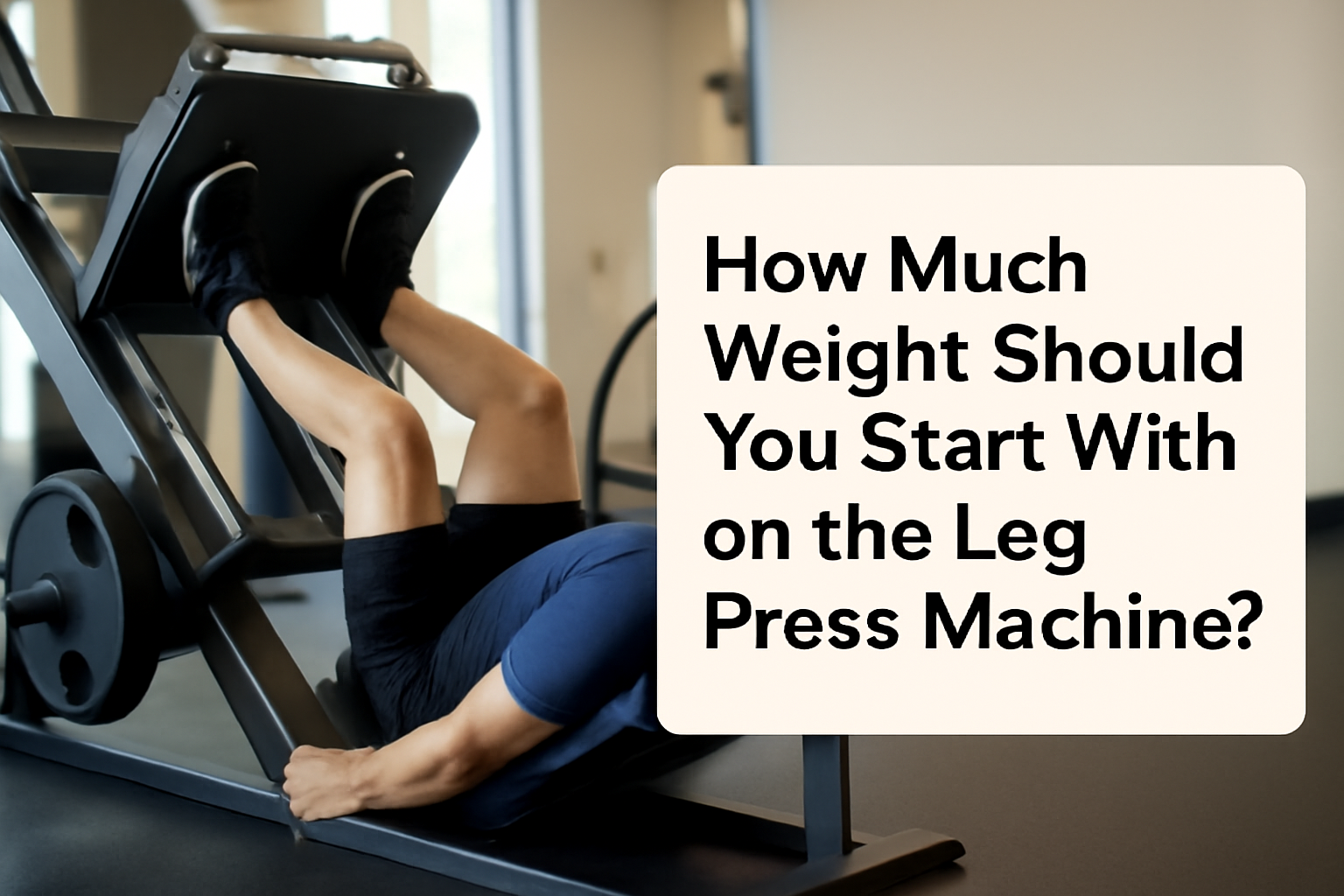
Choosing the right weight on the leg press machine can be confusing. But don't worry—it's easier than it sounds. Before you start, consider your fitness level, body size, and leg strength. Let's break it down so you can pick your best weight.
1. Fitness Level: Where Are You Starting?
Your fitness level is the most important thing to consider when picking the right weight. If you're new to the leg press machine, start light. You want to focus on form first, not on lifting heavy weights. It's better to start with an easy weight and work your way up as you get stronger.
- Beginners: If you're new to strength training, start with a lightweight. You can begin with the machine's weight or add one or two small plates. Practice your form and make sure your knees and feet are aligned. Don't rush to add weight. Focus on getting the movement right first.
- Intermediate Lifters: If you have some experience with leg exercises, you can add more weight. Choose a weight that allows you to complete 8-12 reps with good form. By the last few reps, it should feel challenging but manageable.
- Advanced Lifters: For those with more experience, use a weight that challenges your muscles. You should be able to complete 4-6 reps with good form. Ensure the weight is heavy enough to push you but still allows you to lift safely.
2. Body Size and Gender: How They Affect Your Weight Choice
Your body size and gender also affect how much weight you should start with. People with more muscle mass can usually handle heavier weights.
- Men: On average, men tend to have more muscle mass, especially in their legs. This means they may start with heavier weights than women. But even then, men should start light to focus on form and gradually increase their weight.
- Women: Women generally have less muscle mass, especially in the legs. That doesn't mean they're weaker. It means they may need to start with lighter weights. Over time, as strength builds, they can add more weight and lift heavier.
Even though body size and gender matter, everyone's strength is different. It's best to listen to your body and pick a weight that feels right for you.
3. Leg Strength and Experience: How Much Can You Handle?
Your leg strength will also affect how much weight you can start with. You may already have some strength if you've done leg exercises before. If you've never done exercises like squats or lunges, start light to avoid overloading your muscles.
- Beginners to Leg Training: If you've never trained your legs, start with a lightweight. Practice your form before adding more weight. Once you feel comfortable, you can increase the weight.
- Intermediate Lifters: If you've been working on leg strength for a while, choose a moderate weight. This should challenge you but still allow you to maintain good form. Aim for 8-12 reps.
- Advanced Lifters: For advanced lifters, go heavier. Focus on lifting 4-6 reps. This weight should be heavy enough to push your muscles to their limits but still light enough that you can keep your form.
4. Starting Weight Guidelines: Simple Tips
Here's a simple guide to help you get started:
- Beginners: Start with a weight that allows you to easily do 12-15 reps. This could be the machine's base weight or a few small plates. Your goal is to practice the movement.
- Intermediate Lifters: If you've been lifting for a while, use a moderate weight. Aim for 8-12 reps with good form. The weight should challenge you by the last few reps but not be too heavy to finish the set.
- Advanced Lifters: Choose a heavy weight for strength building. You should be able to do 4-6 reps before your muscles feel exhausted. This will help you build power and strength.
5. Progressive Overload: Gradually Add More Weight
As you get stronger, you'll want to increase your weight to continue progressing. Progressive overload is a key to building strength and muscle. Add more weight each week, usually about 5-10%. This will keep your muscles challenged and help you grow stronger.
Choosing the right weight for the leg press machine is all about listening to your body and starting slow. Begin with a lightweight to focus on form. As you get stronger, increase the weight gradually. This approach will help you get the best results safely and effectively.
Common Mistakes to Avoid When Choosing a Leg Press Machine Weight
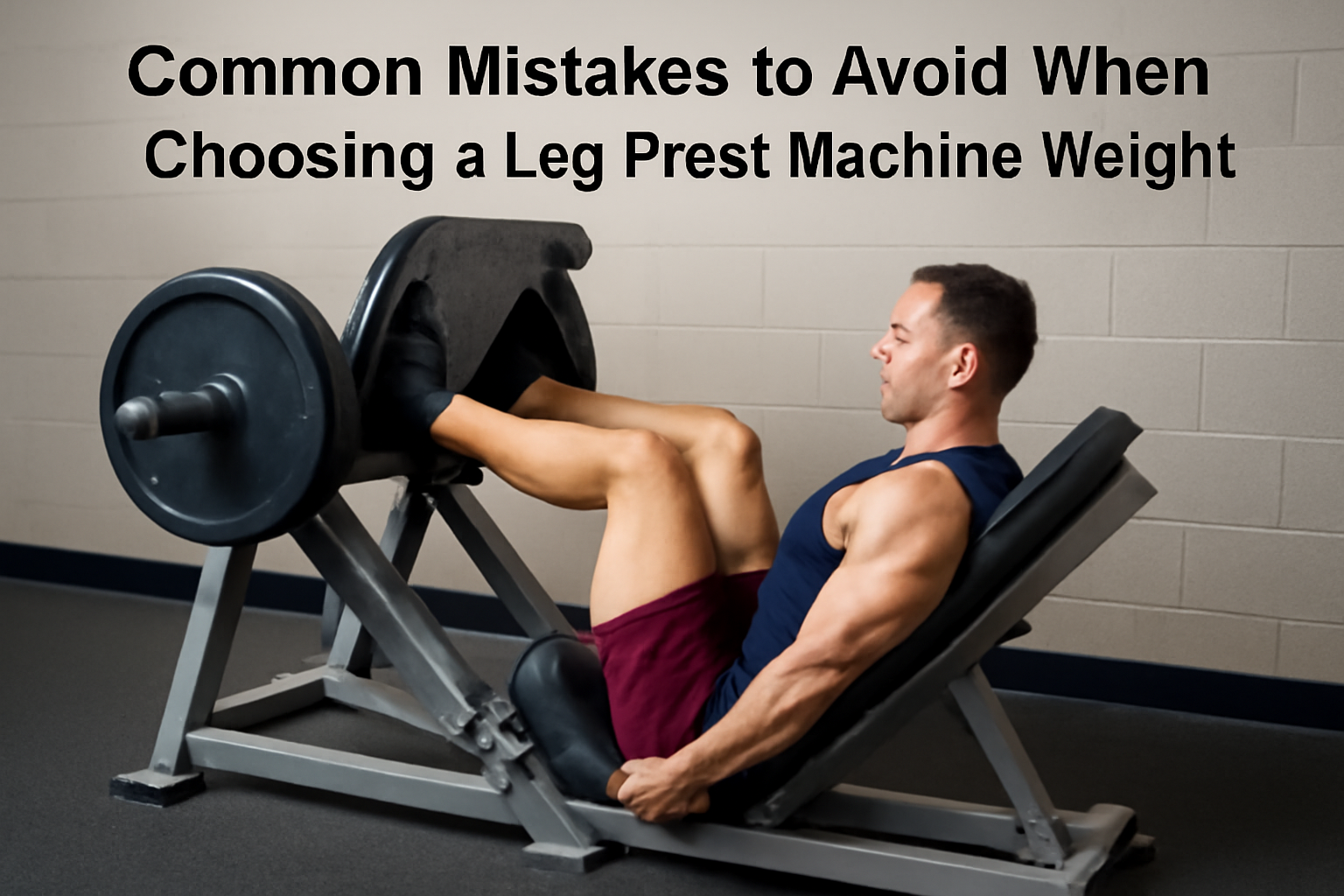
Choosing the right weight for the leg press machine can be tricky. Many people make mistakes that can slow down their progress or even lead to injury. Let's look at some common mistakes and how to avoid them.
1. Lifting Too Much Too Soon
One of the biggest mistakes is lifting too much weight too quickly. It can be tempting to lift heavy immediately, but this is not a good idea.
- Why It's a Problem: Lifting too much weight can cause you to lose control. This puts stress on your knees, hips, and back, and you may even hurt yourself. Bad form can also make your muscles work less and pressure your joints.
- How to Avoid It: Start with a lighter weight. Focus on getting the form right first. Once you are comfortable, you can slowly add more weight. Always make sure you feel in control before adding more weight.
2. Not Adjusting Weight Based on Your Goals
Your goals should help decide how much weight you use. If you want to build strength, you need heavier weights and fewer reps. If your goal is endurance or toning, lighter weights with more reps are the way to go.
- Why It's a PrIt'sm: Using the wrong weight will slow your progress. You won't get weight if you want to build muscle but only use light weights. Similarly, you'll aim if you wish to be endurance but only lift heavy weights.
- How to Avoid It: Choose your weight based on your goals. For strength, lift heavy for 4-6 reps. For muscle growth, use a moderate weight for 8-12 reps. For endurance, choose light weights for 15+ reps.
3. Neglecting Proper Form
Good form is key to getting the most from the leg press. Many people get so focused on lifting more weight that they forget about form. This can lead to bad habits and injuries.
- Why It's a Problem: Bad form means you're not working the right muscles. For example, if your knees are out of line or your feet are in the wrong position, you could hurt your knees or back. Poor form can also make the workout less effective.
- How to Avoid It: Focus on keeping good form. Keep your feet shoulder-width apart. Make sure your knees follow the direction of your toes. Keep your back flat against the seat. Only add weight once you can do the movement with perfect form.
4. Not Increasing Weight Over Time
If you always stick to the same weight, your muscles will stop getting stronger. To see progress, you need to keep challenging yourself.
- Why It's a PrIt'sm: If you never increase your weight, your muscles won't grow or become stronger. They need to be pushed to keep getting better.
- How to Avoid It: Gradually add a little more weight over time. This is called progressive overload. Try adding 5-10% more weight every few weeks. This will keep your muscles working hard and getting stronger.
5. Using Momentum Instead of Strength
When the weight gets heavy, you might be tempted to use momentum. This means pushing the weight with your body, not your muscles. This is a mistake.
- Why It's a PRIt'sm: Using momentum means using your leg muscles correctly. Without momentum, you're not getting the full benefit of the exercise, which can lead to poor form and injury.
- How to Avoid It: Move slowly and control the weight. Lower it slowly and push it up without using your body to swing the weight. This will help your muscles work harder and reduce the chance of injury.
Final Tips on Weight Selection
- Start light: Focus on getting the form right first.
- Match your goals: Pick a weight that fits your goals—strength, muscle growth, or endurance.
- Progress slowly: Increase the weight little by little over time.
- Form is key: Always keep good form to avoid injury.
Avoiding these common mistakes will improve your leg press machine workouts. Take your time and always listen to your body. Progressing slowly and safely will lead to the best long-term results.
Tips for Safely Increasing Leg Press Machine Weight
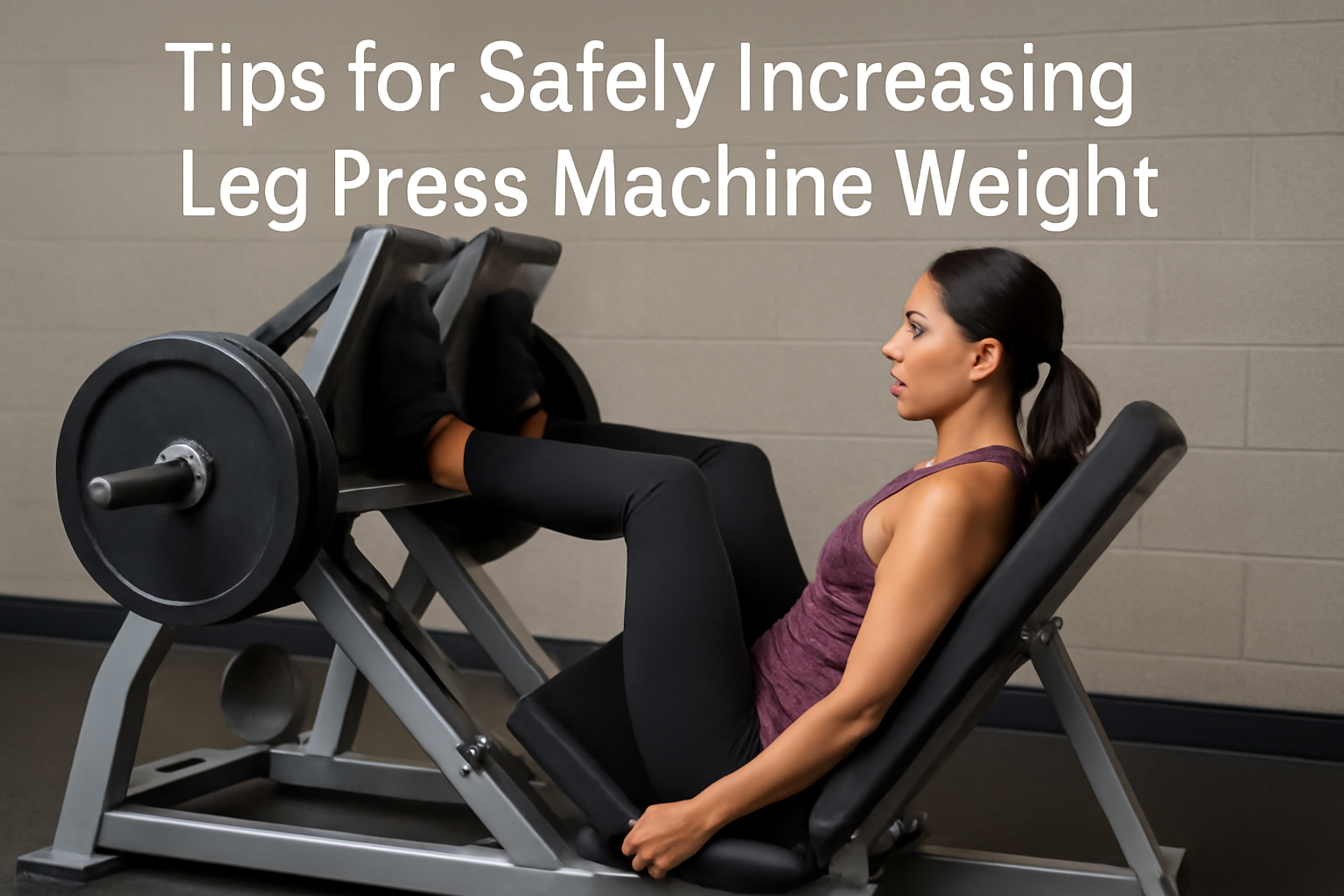
As you get stronger, you should increase the weight on the leg press machine. This will help you build more muscle. However, adding it correctly is essential to avoid injury and keep progressing. Here are some tips to increase weight safely.
1. Listen to Your Body
Your body will tell you when it's time it's more. If the weight is too easy, it might be time to add more.
- Why It's Important: If you ignore how your body feels, you might hurt yourself. Your muscles need to be challenged but not overworked.
- How to Do It: After each set, check how you feel. They wouldn't add much weight if the last few reps weren't. Start with a slight increase, like 5-10% more.
2. Increase Weight Gradually
Don't rush. Don't gain too much weight too soon. Adding too much too quickly can hurt your muscles and joints.
- Why It's ImportIt's Gradual increases help your body get used to the new weight. This helps prevent injury and allows your muscles to grow safely.
- How to Do It: After a few sessions with the same weight, add just one or two plates. Small steps will keep your progress steady and safe.
3. Keep Good Form as You Increase Weight
As you add weight, keeping your form correct is even more critical. If your form slips, you risk injury.
- Why It's ImportIt's Bad form, which means your muscles aren't working as they should. This can also stress your joints.
- How to Do It: Always start with perfect form. Keep your feet in the correct position, and don't lock your knees. If your form slips as you add weight, reduce it until you can maintain good technique.
4. Track Your Progress
- It's helpful to track how much weight you use to increase it. This will help you see how much progress you're making. ImportIt's Tracking lets you stay on track and avoid guessing when to add weight.
- How to Do It: Write down the weight and the number of reps you do. This will help you know when to add more weight and motivate you.
5. Warm Up Properly
Before lifting heavy weights, always warm up. This prepares your muscles and joints for the challenge.
- Why It's ImportIt's Warm muscles are less likely to get hurt. Warming up also helps you lift more effectively.
- How to Do It: Start with light cardio to increase your heart rate. Then, do a few sets with lighter weights before moving to heavier ones. This will get your muscles ready to handle the load.
Final Thoughts on Increasing Weight Safely
- Listen to your body: Pay attention to how you feel during and after each set.
- Increase weight gradually: Small increases keep you safe and allow for steady progress.
- Form is key: Always keep good form, especially with heavier weights.
- Track your progress: Write down your weight and reps to know when to add more weight.
- Warm up: Always warm up before lifting heavy to protect your muscles and joints.
By following these simple steps, you can safely increase your leg press weight and continue making progress toward your fitness goals. Slow and steady wins the race!
Frequently Asked Questions (FAQ)
How about I use the right weight for my legs?
The correct weight should feel challenging by the last few reps. If the last few reps are too easy, you need more weight. The weight is too heavy if you can't find can't reps with good form.
- Tip: Start light and increase weight slowly. Focus on form first, then increase the weight as you get stronger.
Can I use the leg press machine every day?
No, using the leg press daily is not a good idea. Your muscles need time to rest and recover.
- Why rest matters: When you train, your muscles break down. Rest helps them rebuild stronger. Overworking them can lead to injury.
- Tip: Use the leg press 2-3 times a week and give your muscles 48 hours to recover between workouts.
What if I can't comply with reps with my chosen weight?
If you can't finish the reps, the weight will be too heavy. Don't push Don'tgh bad form. Lower the weight and finish with good form.
- Tip: Start light. Work on the form first. Gradually increase the weight as you get stronger.
Should I increase my leg press weight every week?
Not every week. Your muscles need time to adjust to the weight before you add more.
- Why it matters: Adding weight too quickly can hurt your muscles. Small increases are best.
- Tip: Increase the weight every 2-4 weeks. Before increasing it, look for signs that your weight is too easy.
How do leg press machines compare to squats for building leg strength?
Both leg presses and squats are good for leg strength. The leg press targets your legs more directly. Squats also work your core and help with balance.
- Leg Press: Easier on your back and helps target quads, hamstrings, and glutes.
- Squats: A full-body exercise that builds strength and improves balance.
- Tip: Use both in your workout routine. Squats help with overall strength and mobility, while leg presses help isolate your leg muscles.
Final Thoughts on the FAQ
- The correct weight should challenge you but allow you to complete your reps well.
- Rest is key for muscle recovery. Don't overdDon'tby using the leg press every day.
- Gradual progress is essential. Increase the weight when your body feels ready.
- Leg presses and squats target different muscles. Use both for a balanced workout.
Following these tips, you can use the leg press machine safely and effectively and see better results over time.
Final Thoughts
Choosing the right weight on the leg press machine is essential for getting the best results. It helps you avoid injury and ensures you are working your muscles safely. Remember, it's not just how much weight you can lift but how you lift it.
Always listen to your body. If the weight feels too light, add more. If it's too heavy, reduce it. Focus on form, and increase the weight slowly as you get stronger.
Hamilton Home Fitness provides top-quality machines that support your progress every step of the way. Our equipment is built to help you challenge yourself safely and effectively. Hamilton Home Fitness has the right equipment, whether you're a beyou or an experienced lifter.
Start using these tips today. Track your progress and gradually increase your weight. Your workouts will be more effective and enjoyable with the right equipment from Hamilton Home Fitness.
We'd love to hear how these tips worked for you! Leave a comment below or share this article with a friend. Visit Hamilton Home Fitness to learn more about our fitness equipment and take your workouts to the next level.