
Introduction:
Have you ever wondered if your weight bench can hold up to your toughest lifts? When you're serious about strength training, choosing the right equipment is key. One of the most important pieces of gear is the heavy-duty weight bench. Not all benches are the same — some can handle heavy loads, while others are built for lighter use.
This guide will help you understand how much weight a heavy-duty weight bench can hold and what makes it strong enough to handle big lifts. Whether you're new to lifting or an experienced powerlifter, knowing your bench's weight limit is important for safety and performance.
By the end of this article, you'll know how to pick the right heavy-duty bench for your workouts. You'll also understand how weight limits play a big part in keeping you safe while lifting. Keep reading to find out how to choose the perfect bench for your needs!
What is a Heavy-Duty Weight Bench?
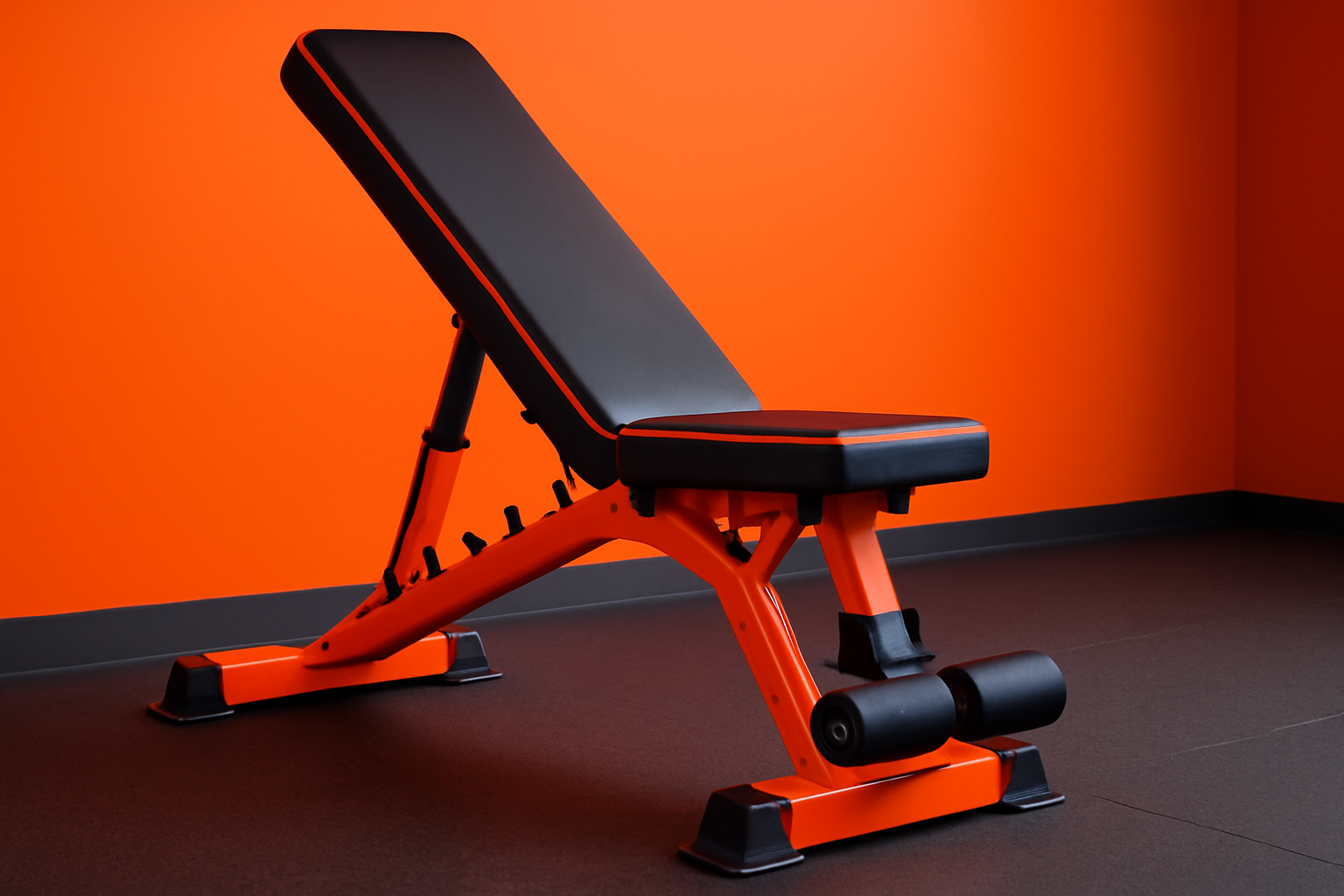
A heavy-duty weight bench is made for serious lifting. It's built stronger than regular benches to handle more weight. These benches are perfect for heavy lifters, bodybuilders, and powerlifters who need reliable equipment.
The key feature of a heavy-duty bench is its strong frame. Made from thick steel, it can hold heavy weights without bending or shaking, keeping the bench stable even when lifting a lot. Heavy-duty benches also offer adjustable positions and thick padding for extra comfort and safety.
Whether you are doing bench presses, dumbbell workouts, or other lifts, a heavy-duty weight bench provides a solid base. It is made to last and support your toughest workouts. Simply put, a heavy-duty weight bench is built to keep up with your strength training goals.
How Much Weight Can a Heavy-Duty Weight Bench Hold?
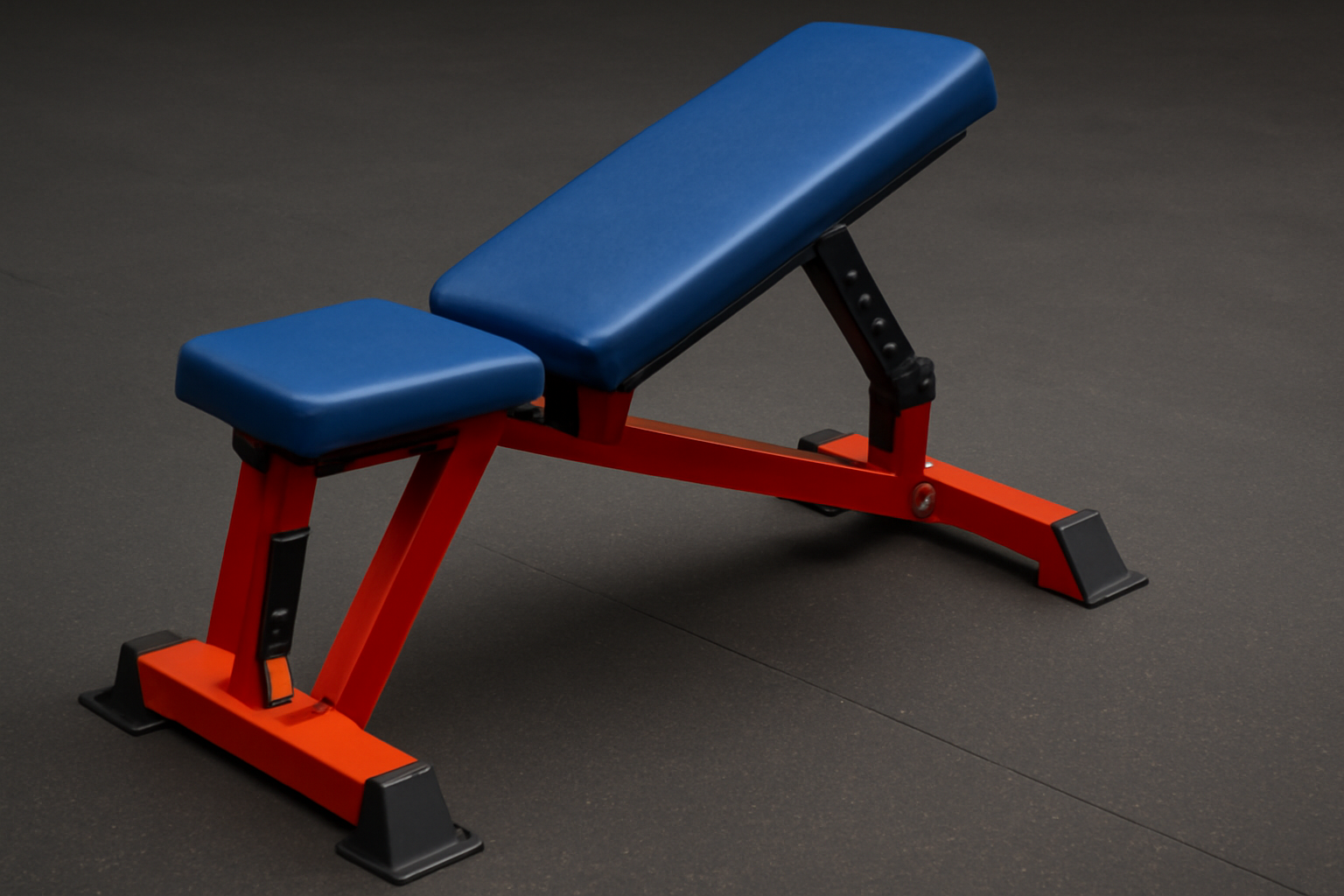
A heavy-duty weight bench can hold a lot of weight. Most can handle between 500 lbs and 1,000 lbs or more, but the exact weight depends on the bench's design and materials.
Several things affect how much weight a bench can support:
- Frame Material: Heavy-duty benches usually have steel frames. Steel is strong and can hold a lot of weight.
- Bench Design: The way a bench is built matters. Benches with reinforced beams and strong cross braces offer more support.
- Padding: Thicker padding adds comfort and support, though it doesn't affect weight capacity directly.
- Legs and Base: Stronger legs and a solid base make the bench more stable, especially when lifting heavy.
- Weight Distribution: The weight should be evenly spread out on the bench. If it's uneven, the bench may not hold as much.
When picking a bench, make sure it can handle the weight you plan to lift. For powerlifters or heavy lifters, choose a bench with a higher weight limit and a sturdy design. Always put safety first by selecting a bench with a weight capacity that meets your needs.
In short, heavy-duty benches can hold a lot of weight, but choosing the right one for your lifts is important for safety and performance.
Expert-Level Analysis: Choosing the Right Heavy-Duty Weight Bench
When choosing a heavy-duty weight bench, it's important to know what works best for your needs. Different benches serve different purposes. Whether you're just starting out or you're a powerlifter, the right bench can make a big difference in your workouts.
Weight Capacity:
- Heavy-duty benches can support 500 lbs to 1,000+ lbs. If you lift heavy weights or plan to increase your lifts, pick a bench with a higher capacity. This ensures safety and supports your lifting goals.
Adjustability:
- Adjustable benches are great for versatility. They offer flat, incline, and decline settings. This lets you target different muscle groups, like your chest, shoulders, and arms. If you want to do more than just bench presses, an adjustable bench is a good choice.
Material and Build Quality:
- Look for a steel frame for durability. Steel is strong and stable, making it perfect for heavy lifting. Check for reinforced beams and good welding quality. This helps the bench handle heavy loads without shaking or bending.
Padding and Comfort:
- A bench should have thick, high-density foam padding for comfort. This will protect your back and shoulders, especially during heavy lifts. Look for quality upholstery like vinyl or leather that lasts longer.
Space and Size:
- Measure your space before choosing a bench. Some heavy-duty benches are large and might not fit in small rooms. If you have limited space, consider a more compact, adjustable model.
Safety Features:
- Safety is important when lifting heavy weights. Look for features like non-slip feet and stabilizer bars that keep the bench in place. Some benches have safety pins to prevent movement while you lift.
Durability:
- A good, heavy-duty weight bench should last for years. Commercial-grade benches are built for heavy use and are made to withstand wear and tear. If you lift often, choose a high-quality model to ensure durability.
Picking the right heavy-duty weight bench is about finding the right balance. Focus on weight capacity, adjustability, and safety to ensure your bench supports your lifting goals. Make sure it fits your space and is comfortable to use. The right bench will help you lift safely and reach your fitness goals.
Common Misconceptions About Heavy-Duty Weight Benches
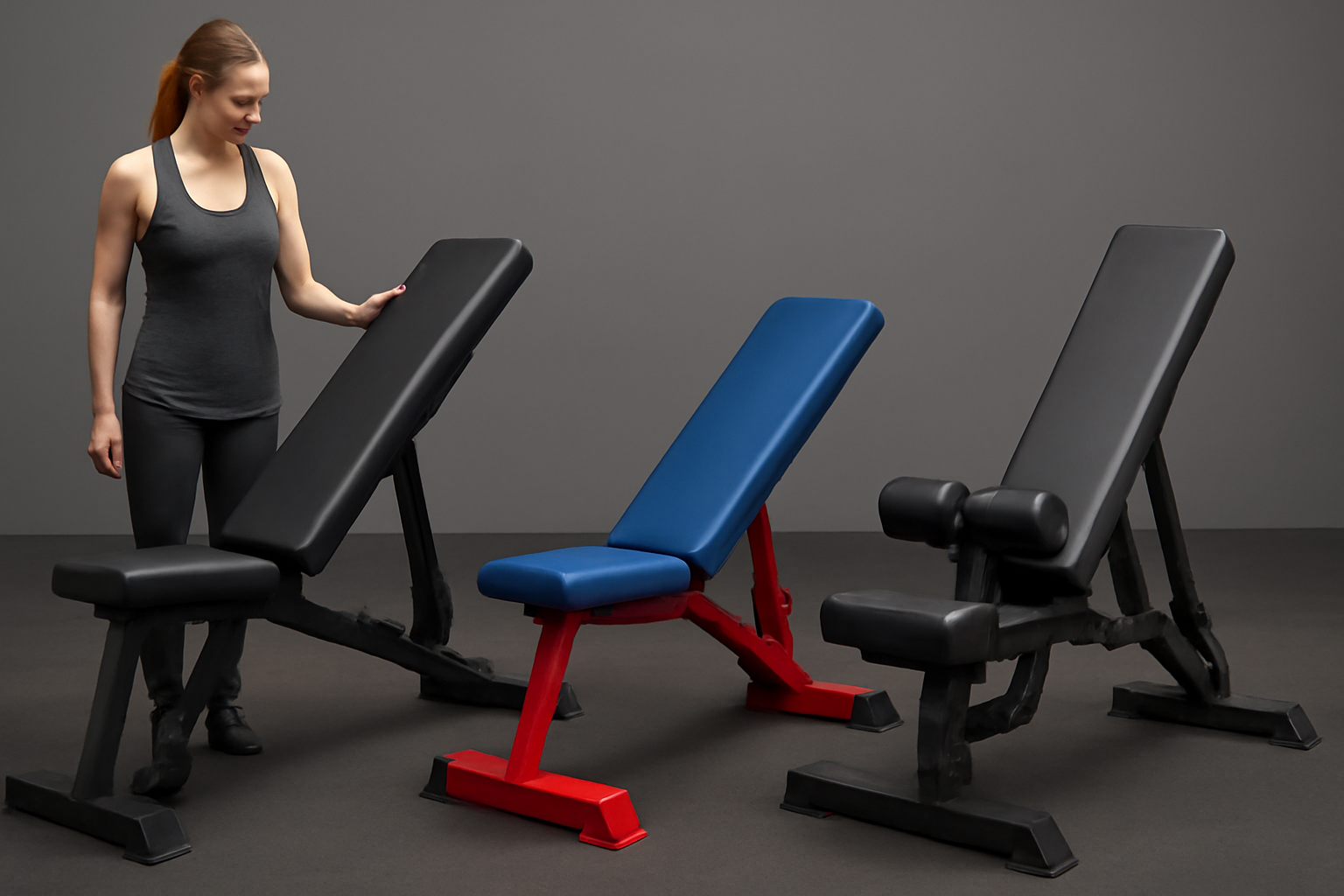
When it comes to choosing the right weight bench, several myths can lead to confusion. It's easy to get caught up in the details, but it's important to separate fact from fiction. Here, we'll address some common misconceptions about heavy-duty weight benches.
All Heavy-Duty Weight Benches Are the Same:
One common misconception is that all heavy-duty benches are equal in strength and quality. In reality, they vary significantly in terms of material quality, build design, and weight capacity. Some benches are made for home gyms, while others are built for commercial use. Always check the specific weight limit and the materials used in the construction before buying.
A Higher Weight Capacity Means Better Quality:
Just because a bench can hold a higher weight doesn't always mean it's the best option for you. Quality is not just about the weight capacity. It's about how the bench is built. A strong frame, solid welding, and reinforced components are crucial to ensuring the bench stays stable during heavy lifts, no matter the weight capacity.
A Bench with Thick Padding Is Always Better:
While thick padding can improve comfort, it doesn't directly impact the bench's weight capacity. In some cases, overly thick padding makes the bench less stable. The material of the padding is just as important. High-density foam provides both comfort and support, but a well-constructed frame is what truly matters for safety and stability during lifts.
Heavy-Duty Benches Are Too Expensive for Home Use:
Many people believe that heavy-duty benches are too expensive for home use. However, that's not always the case. While commercial-grade benches can be pricey, there are plenty of affordable heavy-duty options that offer great quality and durability. A good bench is an investment in your fitness, and you can often find options that suit your budget while still offering the necessary features for serious lifting.
Any Bench Can Handle Squats:
Not all benches are designed for squats. Some are specifically designed for bench presses, while others can support various exercises, including squats. If you plan to use your bench for squats, make sure it has the appropriate weight capacity and a stable design. Some benches have added features like leg developers or squat racks to make them more versatile for different exercises.
A Heavy-Duty Weight Bench Requires a Lot of Maintenance:
Another misconception is that heavy-duty weight benches require a lot of upkeep. In fact, many of the best benches are made with durable materials that require little maintenance. Simply wiping them down after use, checking for loose bolts, and ensuring the padding is in good condition is often enough to keep them in great shape.
There are many myths surrounding heavy-duty weight benches, but understanding the facts can help you make the right choice. Remember, the right bench for you depends on your specific needs, lifting style, and available space. By keeping these misconceptions in mind, you can avoid making mistakes when purchasing your equipment and ensure you choose a bench that's built for long-term use.
FAQ: Frequently Asked Questions
1. How much weight can a heavy-duty weight bench hold?
A heavy-duty weight bench can hold 500 lbs to 1,000 lbs or more. The exact weight depends on the bench's build and materials. To stay safe, heavy lifters should choose a bench with a higher weight limit.
2. What's the difference between a heavy-duty weight bench and a standard bench?
Heavy-duty weight benches have stronger steel frames and higher weight capacities. They are designed for heavy lifting. Standard benches are meant for lighter workouts and can't handle as much weight.
3. Can I use a heavy-duty weight bench for squats?
Yes, many heavy-duty benches can be used for squats. Some benches include leg developers or squat racks to support more exercises. Always check if the bench is stable enough for squats.
4. How do I know if a weight bench is heavy-duty enough for powerlifting?
Look for a bench with a high weight capacity (at least 1,000 lbs) and a solid steel frame. It should feel stable and have features like adjustable settings and safety mechanisms.
5. What are the best heavy-duty weight benches for home gyms?
Top options for home gyms include Rogue, Marcy, and Body-Solid. Choose a bench with adjustability and a sturdy frame. Make sure it can support the weight you plan to lift.
6. How long does a heavy-duty weight bench last?
A heavy-duty weight bench can last for many years if it's well cared for. Commercial-grade benches are built for long-term use. Regular checks and cleaning will keep it in good shape.
7. Are heavy-duty weight benches safe for heavy lifting?
Yes, as long as the bench is rated for heavy lifting. Make sure it has a high weight capacity and is built with safety features like non-slip feet and stabilizing bars. Always check the bench before use.
8. What is the difference between an adjustable and a fixed-weight bench?
An adjustable bench can be set to different angles, like flat, incline, or decline, making it great for various exercises. A fixed bench is set at one position, usually flat. Adjustable benches are more versatile.
Final Thoughts
Choosing the right heavy-duty weight bench is key to reaching your fitness goals. Look for a bench that can handle the weight you plan to lift, is built to last, and is comfortable to use. The right bench will make your workouts safer and more effective.
At Hamilton Home Fitness, we offer top-quality, heavy-duty weight benches designed to fit your needs. Our benches are built for strength, comfort, and durability, ensuring you get the most out of every workout. Trust Hamilton Home Fitness for equipment that will support your journey to a stronger, healthier you.
Now that you know what to look for, it's time to take the next step. Invest in a heavy-duty weight bench that fits your goals, and get started on your fitness path today. If you have questions, we're here to help. Visit Hamilton Home Fitness for the best in fitness equipment and start lifting with confidence.
We'd love to hear from you! Drop a comment below with any thoughts or questions, and feel free to share this post with anyone who could use it. Explore our full range of fitness equipment at Hamilton Home Fitness and enjoy the benefits of the best gear for your workouts.