As a gym owner or facility manager, you understand that the equipment in your gym is not just a financial investment but also a crucial part of delivering a positive and safe fitness experience. The maintenance of gym equipment often gets overlooked in the rush of daily operations. Still, regular upkeep is essential to avoid costly repairs, prevent safety hazards, and improve your machines' longevity.
Did you know that 70% of gym equipment failures can be avoided with proper maintenance? This is a compelling reason why a comprehensive gym equipment maintenance checklist is vital for your gym's and your business's health. A well-maintained gym not only ensures the safety of your members but also enhances their experience, helping you retain customers and attract new ones. But how do you go about creating and following such a checklist? That's precisely what we'll dive into today.
This article breaks down the essential steps of maintaining gym equipment, from daily checks to more complex quarterly inspections. Following this gym equipment maintenance checklist will protect your investment, boost member satisfaction, and avoid costly repairs. Let's explore the core aspects of gym equipment maintenance, best practices, and how Hamilton Home Fitness can help you keep your gym running smoothly.
Why a Gym Equipment Maintenance Checklist is Essential
The role of commercial gym equipment is pivotal in offering quality fitness experiences. Whether cardio machines like treadmills and stationary bikes or strength equipment such as weight machines, proper maintenance ensures the equipment functions optimally, safely, and efficiently. Skipping regular maintenance can lead to equipment failures, which disrupts the gym's operations, puts members at risk, and could lead to a decline in customer satisfaction.
A gym equipment maintenance checklist is more than a list of tasks; it is an essential strategy to:
- Ensure member safety: Broken or malfunctioning equipment can lead to accidents and injuries.
- Increase equipment lifespan: Regular care can extend the life of your gym's machinery, saving you money in replacement costs.
- Reduce downtime: Prevent equipment from going out of service unexpectedly.
- Improve gym reputation: A clean, well-maintained gym shows you care about your business and members' health.
Implementing a structured maintenance routine using a checklist helps reduce repair costs. It keeps your equipment functioning like new for longer. Look at the maintenance checks you should incorporate into your gym's routine.
Daily Maintenance Tasks
Daily checks are crucial to identify minor issues before they become significant problems. They are quick, easy to perform, and can significantly impact the overall performance of your equipment.
1. Inspect Cardio Equipment
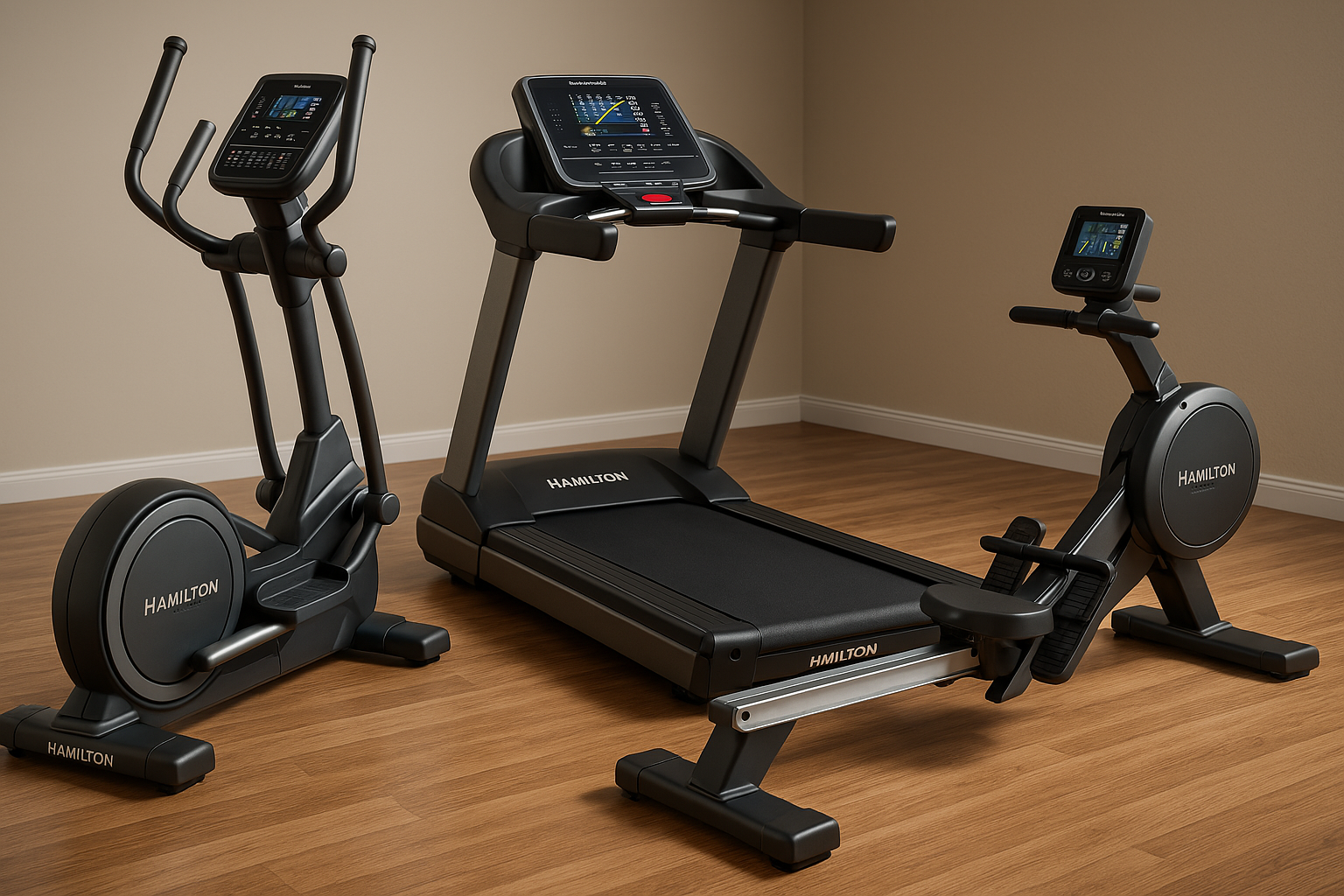
Every day, thoroughly inspect your cardio machines, such as treadmills, ellipticals, and stationary bikes:
- Check for debris: Clean the surfaces of the machines to prevent dust and dirt from building up.
- Check for noise: Listen for unusual sounds like squeaks or grinding, which could indicate a mechanical issue.
- Inspect the belts: Ensure treadmill belts are properly aligned, not fraying, and functioning smoothly.
- Monitor screens and controls: Ensure that the digital displays are working correctly and that all buttons and touchscreens are responsive.
2. Check Weight Equipment
Inspect weight machines for:
- Loose bolts and screws: Tighten any loose components to prevent further damage.
- Safety mechanisms: Ensure safety pins, latches, and weight stacks function correctly.
- Cleanliness: Wipe down machines after each use to maintain a hygienic environment.
- Lubrication: To reduce friction, apply silicone spray or lubricants to joints or moving parts.
3. General Cleanliness
Clean all equipment after use to avoid the buildup of bacteria, sweat, and dirt. Regularly disinfect benches, mats, handles, and resistance machines to promote hygiene and keep your gym looking fresh. This can prevent rusting and other forms of wear over time.
Weekly Maintenance Tasks
Weekly maintenance tasks are more in-depth and allow you to assess the performance of your gym equipment while also identifying minor issues that could develop into more significant problems.
1. Check Calibration of Machines
Regularly calibrate machines to ensure that they provide accurate readings. This is especially important for cardio equipment that measures speed, distance, and calories burned. Incorrect readings can frustrate members and degrade the quality of their workout experience.
2. Inspect Cables and Belts
Inspect all cables and belts for fraying or visible damage in strength equipment. Replace any worn cables or belts immediately. Damaged cables can break under pressure, causing the machine to malfunction or fail.
3. Test Machines for Unusual Noises
Run all equipment to test for unusual sounds or vibrations that could signal a potential problem. For example, a treadmill that makes a grinding noise may have a motor issue or a misaligned belt.
4. Tighten Bolts and Screws
Over time, the constant use of gym equipment can cause bolts and screws to loosen. A simple weekly check to ensure everything is tight can prevent mechanical breakdowns.
Monthly Maintenance Tasks
As part of your routine, set aside time each month to perform more extensive checks on the equipment. This may involve replacing worn-out parts and checking machinery, which is harder to inspect daily.
1. Inspect Electrical Components
Inspect the wiring, plugs, and power outlets for machines that run on electricity, such as treadmills or rowers. Look for exposed wires, fraying, or loose connections, which could present a fire hazard.
2. Clean the Machine's Interior
Vacuum the interior components of machines, such as treadmills and ellipticals, to remove dust and debris that can cause the equipment to overheat or run inefficiently.
3. Check and Lubricate Moving Parts
Apply lubrication to the moving parts of equipment that experience high friction. For example, treadmill belts, exercise bike chains, and weight machine pulleys should all be properly lubricated.
Quarterly Maintenance Tasks
Quarterly checks are more in-depth and should be handled by professionals. These tasks can prevent costly issues and extend your equipment's lifespan.
1. Assess Hydraulic Systems
For machines with hydraulic systems, such as resistance machines, hydraulic fluid levels must be inspected and leaks checked. Low hydraulic fluid or worn seals can affect the machine's functionality.
2. Service Cardio Equipment
Call in a professional to service your high-use cardio machines. These services include motor inspections, recalibration, and replacing worn-out components like belts or fans.
3. Professional Check for Alignment
Have a technician check the alignment of cardio machines like treadmills and stationary bikes. Misalignment can cause uneven wear and reduce the lifespan of these machines.
Annual Maintenance Tasks
Annual maintenance involves a complete evaluation of your gym's equipment. This is typically when you should call in professionals to complete servicing your machines.
1. Complete Equipment Audit
Perform a full audit of your equipment to assess its condition. This includes checking for signs of wear and tear, evaluating equipment usage patterns, and replacing old or outdated machines that no longer meet the needs of your gym members.
2. Professional Servicing and Calibration
Schedule professional servicing to check for electrical issues, lubricate hard-to-reach parts, and recalibrate machines to ensure optimal performance.
3. Review Manufacturer's Guidelines
Each piece of equipment comes with a manufacturer's manual that contains guidelines for long-term care and maintenance. Ensure you're following these recommendations, as they can help extend the life of your machines and preserve your warranty.
Best Practices for Gym Equipment Maintenance
Maintaining your gym equipment is a team effort. Fostering a maintenance culture within your gym is essential to ensure long-term success.
1. Training Your Staff
Train your staff to conduct daily checks and minor maintenance tasks. Provide clear guidelines on reporting issues, cleaning equipment, and ensuring safety.
2. Clear Reporting System
Please set up a reporting system so gym members can easily report any issues they encounter with equipment. Quick reporting allows your team to resolve problems faster and reduce downtime.
3. Create a Maintenance Calendar
Develop a maintenance calendar that outlines when daily, weekly, monthly, and annual checks should be performed. Assign specific tasks to staff members to ensure they stay on track.
Why Choose Hamilton Home Fitness for Your Gym Equipment
When it comes to commercial gym equipment, investing in high-quality machines that are easy to maintain is key to the success of your gym. Hamilton Home Fitness offers a wide range of durable, reliable equipment designed to meet the needs of both small gyms and large commercial fitness centres.
Our gym equipment comes with comprehensive care instructions and the support of a trusted brand. Whether outfitting a new gym or upgrading existing machines, Hamilton Home Fitness ensures you get the best value with minimal maintenance effort.
Investing in Hamilton Home Fitness means you're not just purchasing equipment—you're securing long-term solutions that help your gym thrive.
Frequently Asked Questions (FAQ)
1. Why is a gym equipment maintenance checklist essential?
A gym equipment maintenance checklist ensures that all gym machines are regularly inspected, cleaned, and maintained. By following a structured checklist, you can catch minor issues before they become costly repairs, improve the lifespan of equipment, and reduce safety risks for your members.
2. How often should gym equipment be maintained?
Maintenance frequency depends on the type of equipment and its usage, but generally:
- Daily: Clean and inspect cardio machines, wipe down weight equipment, and check for immediate issues.
- Weekly: Perform more in-depth inspections like checking calibration, testing machines for noise, and tightening loose bolts.
- Monthly and Quarterly: Include more detailed checks like inspecting wiring, lubricating moving parts, and performing electrical inspections.
- Annually: Conduct a full audit, hire professional servicing, and recalibrate machines.
3. Can I perform maintenance tasks or hire a professional?
Gym staff can generally do routine maintenance tasks like cleaning, checking for wear and tear, and lubricating moving parts. However, certified professionals should handle more complex tasks like inspecting hydraulic systems, calibrating machines, or electrical work.
Final Thoughts
To recap, we've explored how implementing a gym equipment maintenance checklist can save you money, reduce downtime, and ensure the safety of your members. By applying these strategies, you'll protect your equipment investment and improve the overall experience for your gym members. Consistency and the right tools are key to achieving success.
Now that you have a clear roadmap, it's time to take action. Apply these strategies today and start seeing results. Don't wait — the sooner you begin, the quicker you'll progress toward better-maintained equipment and happier members.
We'd love to hear your thoughts! Comment below with your experiences or any questions, and feel free to share this post with others who may benefit from it. You can also check out Hamilton Home Fitness for more information on how we can help you maintain top-quality gym equipment.