Have you ever entered a gym and been overcome by chaotic equipment? It's more than simply occupying a spot. The correct exercise configuration can change the environment, inspire drive, and enable your customers to perform better. Poorly planned events or difficult-to-access equipment, however, can turn people away.
Installing commercial workout equipment in your sports centre is a significant undertaking. Part of this involves choosing the correct equipment, positioning it correctly, and ensuring everything is safe and user-friendly. Whether you are redesigning an already-in-place facility or just starting out, this book will assist you in establishing a workout area that benefits your clients and yourself.
Following this methodical process will help you to create a layout that optimizes space and improves the performance of your building. Let's get started creating a location that draws folks back!
Planning and Design: Knowing Your Facility's Requirements
Planning comes first before purchasing any equipment. Consider your available area, the kinds of exercises you wish to provide, and who will utilize your gym. A sound plan lays the groundwork for everything else.
Examine Your Area
Begin by gauging the available space. How much space is there for pedestrian routes and machines? Overcrowded equipment in a limited area might cause discomfort, insecurity, or distraction. You require enough space for cleaning, maintenance, and simple mobility between equipment.
Consider places requiring more space—stretching zones, free weight sections, and cardio stations. Leave at least a few feet around every piece of equipment for safety. The equipment should be usable comfortably by people without crowding or injury risk.
Know Your Audience
Who is your gym serving? Do you want regular exercise lovers to utilize your area, or are you providing specific equipment for athletes? Selecting the appropriate equipment depends significantly on this.
Athletes require more particular training tools like agility ladders, resistance bands, and more sophisticated machines.
These people want adaptable equipment that can accommodate several exercises. Treadmills, ellipticals, multi-purpose weight machines, and resistance bands will work well for them.
Your audience's needs should guide your choice of equipment. This will improve the usefulness and attractiveness of your facility.
Give Accessibility First Priority
Accessibility matters. Your building should not only follow accessibility guidelines but also be inviting for all. Leave room for wheelchair access and ensure that the equipment flow is seamless. This guarantees that everyone may use your gym comfortably and that those with impairments can be accommodated.
A well-organized and accessible environment indicates your appreciation of all your customers, enhancing their experience and the probability of their return.
Choosing the Appropriate Commercial Fitness Equipment
The gym you select will determine your gym's efficacy. Quality is essential when choosing commercial fitness equipment; certain elements should be considered.
2.1 Equipment Varieties to Think About
Any gym needs these to be cardio machines. Stationary cycles, ellipticals, and treadmills raise heart rates and build stamina. Since they are often the most sought-after equipment in gyms, they provide a range. Look for good qualities, including several programs and adjustable resistance.
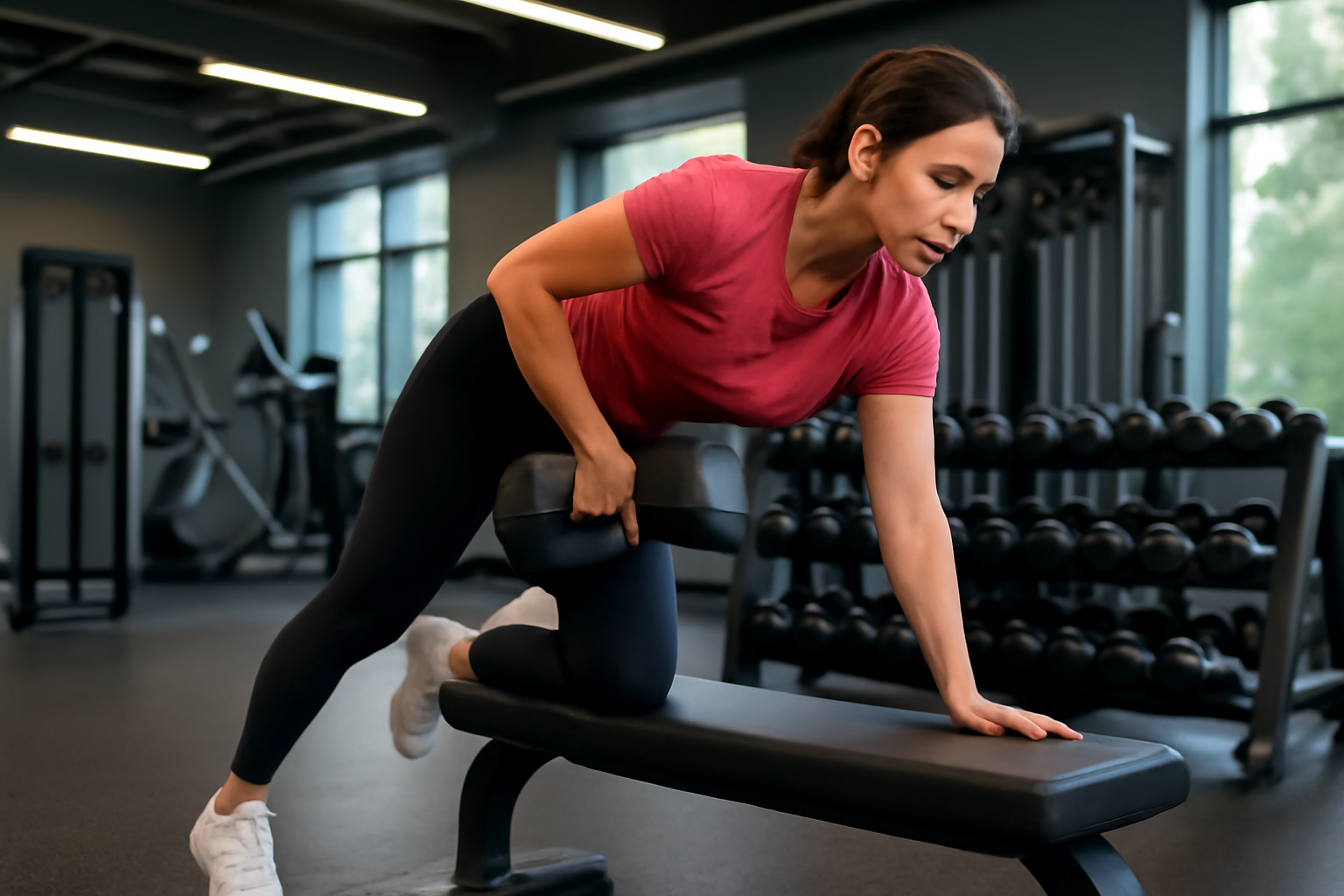
Building strength requires free weights, such as dumbbells, barbells, resistance machines, and benches. Offering a variety of weights will allow people of all ability levels to exercise safely and successfully.
These adaptable, functional training tools can help users prepare for practical activities. Consider including battle ropes, resistance bands, medicine balls, and kettlebells in your gym. They are excellent for circuit exercises and high-intensity interval training (HIIT).
Tools for Mobility and Stretching:
Remember to provide rehabilitation tools. Significant additions include resistance bands, stretching mats, and foam rollers. Having a defined area for mobility and stretching is crucial for helping users warm up and cool down safely.
Brand and Quality Factors
Although numerous reasonably priced fitness equipment choices exist, selecting durable, high-quality devices is crucial. Reputable companies such as Life Fitness, Precor, and Technogym are recognized for their durability and consumer happiness.
Though it may be more expensive upfront, investing in commercial-grade equipment will pay off favourably. High-quality equipment is essential for customer retention and good evaluations since it needs less maintenance, lasts longer, and offers a better experience.
Efficiency-Driven Equipment Layout Optimization
After choosing your tools, the layout should be considered. A proper design guarantees your area's use, safety, and functionality. Here is how to make the most of your location:
3.1 Movement of Traffic
A gym that is simple to traverse depends on traffic flow. Your design should inspire people to flow naturally around the gym rather than push them to stroll around or through busy areas.
Put cardio machines close to the entryway so guests may warm up immediately upon arrival. To keep things manageable, group comparable machines together. For instance, maintain all strength training machines in one section and all cardio equipment in another. This lets people quickly locate what they require.
3.2 Group-Related Equipment in Unison
Group comparable equipment to let users move between various exercises. Maintain all the cardio machines in one area, weight machines in another, and functional training gear like kettlebells and battle ropes in a distinct part.
Arranging the equipment in this manner would help your gym be more efficient and roomy. Users will know just where to go, thereby eliminating the need to hunt for what they require.
3.3 Safety and Spacing Guidelines
Leave enough space between machines for users to move safely and freely. While strength equipment and free weights only need 2-3 feet, cardio machines want at least 3 to 4 feet. This guarantees comfort, accessibility, and safety.
In high-traffic areas like cardio zones, the machines should not be too close together. Users require room to exit one machine and board the next one.
Preparing for Durability and Maintenance
Setting up your commercial fitness equipment is only one aspect; maintaining it in excellent condition is as important. Regular maintenance guarantees the safety of your clients, the seamless operation of your equipment, and its longevity.
Consistent Cleaning and Inspections
Establish a maintenance plan. Regular checks enable you to identify minor problems before they become costly fixes. After each usage, you should wipe down surfaces to avoid damage and germ accumulation, hence cleaning the equipment.
Engage a specialist to check and maintain your machines routinely. Regular maintenance will help keep your facility operating well and will prevent unexpected equipment failure-related downtime.
4.2 Signage and User Education
Ensure users understand how to operate the tools correctly. Post obvious directions for every machine and provide new users with orientation. This will help to stop abuse and lower your equipment's tears. It would also enhance users' experience and keep them safe.
Maximizing User Experience Using Amenities
The correct amenities can significantly affect how comfortable and happy your customers are. Here are some ideas to improve the ambience of your gym:
5.1 Lighting and Flooring
Purchase top-notch, shock-absorbing flooring. Rubber mats are great for gyms because they lower noise and offer a safe, non-slip surface. Appropriate lighting is also important for creating a welcoming and safe space. A well-lit gym helps people see and navigate more easily.
If feasible, consider incorporating natural light, which can help the area feel more open and lively. Good, clean lighting can lift spirits and inspire people to work more vigorously.
5.2 Control of Temperature and Ventilation
Any gym depends on good ventilation. Install air conditioning systems or fans to keep the air cold and fresh. This guarantees that even during rigorous exercises, your gym remains pleasant.
Equally crucial is temperature management. Ensure the facility stays cool enough to prevent exercise hyperthermia. Comfortable temperatures keep people motivated and comfortable, hence improving retention rates.
Commercial Fitness Equipment Budgeting
Although the price of business fitness equipment can mount up, it is a purchase for your company's success. Establish a budget that lets you buy premium equipment despite your financial constraints.
6.1 Make Durable Investments
Though low-quality devices could cost you more over time, it could be alluring to get less expensive tools. They need more replacements and repairs. Select tools made to last and able to withstand significant use. Machines of commercial grade will offer higher long-term value.
6.2 Choices for Financing
Investigate supplier financing options to help you afford your purchase. Many equipment suppliers offer instalment payment options, which will help you financially while nonetheless enabling you to obtain the finest equipment for your gym.
Final Thoughts: Improving Your Commercial Fitness Equipment Configuration
Installing commercial exercise equipment for your indoor sports centre is about designing a space that benefits you and your consumers. Your gym will remain great and keep customers returning with the correct equipment, a clever layout, consistent maintenance, and careful amenities.
Hamilton Home Fitness knows how crucial it is to configure your gym properly. These suggestions will help you design a space that encourages comfort, safety, and performance.
Frequently Asked Questions: Installing Commercial Fitness Equipment in Indoor Sports Facilities
How should commercial fitness equipment be laid out most effectively?
Group like equipment together, make sure there is enough space between machines and let smooth traffic flow.
How much space should remain between commercial workout machines?
Leave 2-3 feet between strength training equipment and 3-4 feet between cardio machines.
Indoor sports facilities need what kind of commercial fitness equipment?
Functional training tools, free weights, strength training equipment, and cardio machines are essential.
How frequently should commercial fitness equipment be maintained?
Regular inspection and cleaning of your equipment will help keep it in peak condition and lower the likelihood of failure.
Which commercial exercise equipment is best for my company?
Select tools according to your budget, audience requirements, and available space. Make quality and durability your first priority.
Last Reflections
All things considered, building a good gym calls for constant upkeep, appropriate equipment, and thoughtful design. These actions will enable you to create a place that improves your consumers' performance, safety, and general experience.
Apply these techniques now to set your facility apart. Start today; don't worry. I don't see how easy adjustments may help your gym succeed.
We would greatly appreciate your comments! Please post your ideas or inquiries here, and please also pass this article along to others who could benefit from it.