
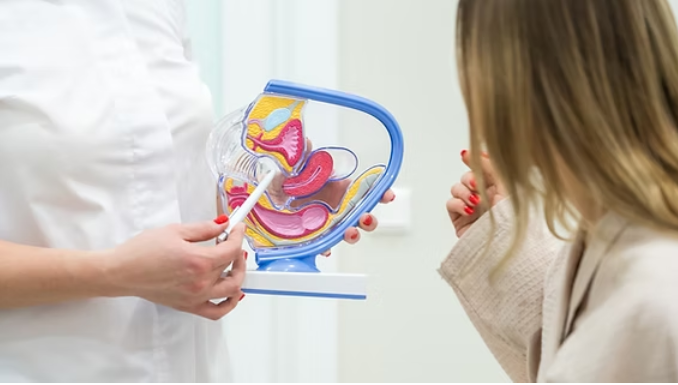
Fertility preservation has become an important option for individuals who want to plan their future parenthood with greater flexibility. Egg freezing, also known as oocyte cryopreservation, is one of the most effective methods used to preserve a woman’s fertility for later use. This advanced medical technique allows women to store healthy eggs during their reproductive years so they can attempt pregnancy when the time is right. Many women begin this journey by consulting a Qualified IVF doctor, where advanced fertility technologies and experienced medical teams guide them throughout the process.
Understanding Egg Freezing for Fertility Preservation
Egg freezing is a medical procedure in which a woman’s eggs are collected, frozen, and stored for future use. The process is designed to preserve the quality of the eggs during a woman’s most fertile years. When a woman later decides to pursue pregnancy, the frozen eggs can be thawed, fertilized in a laboratory, and transferred to the uterus through assisted reproductive techniques.
This treatment has become increasingly popular among women who want to delay pregnancy due to personal, medical, or professional reasons. A qualified Fertility Specialist plays an important role in evaluating a woman’s reproductive health, explaining the egg freezing process, and creating a personalized fertility preservation plan.
Why Women Choose Egg Freezing
There are several reasons why women may consider egg freezing as a fertility preservation method. One common reason is age-related fertility decline. As women age, the quantity and quality of their eggs naturally decrease. Freezing eggs at a younger age allows women to preserve healthier eggs for the future.
Another reason involves medical conditions or treatments that may affect fertility. Women who need treatments such as chemotherapy or radiation therapy may choose egg freezing to protect their reproductive potential before beginning medical therapy.
Some women also pursue egg freezing for lifestyle and family planning reasons. Career goals, personal priorities, or the desire to find the right partner may influence the timing of parenthood. Egg freezing provides the opportunity to plan pregnancy at a later stage without feeling pressured by the biological clock.
The Egg Freezing Procedure
The egg freezing process typically begins with a comprehensive fertility evaluation. Doctors assess hormone levels, ovarian health, and overall reproductive status to determine the most appropriate treatment plan.
The first stage of the procedure involves ovarian stimulation. During this phase, hormone medications are used to stimulate the ovaries to produce multiple mature eggs rather than the single egg that normally develops during a natural cycle. This stage usually lasts around ten to twelve days.
Throughout this period, doctors closely monitor the patient using ultrasound scans and blood tests to track the development of the eggs. Once the eggs reach the appropriate maturity level, the next step is egg retrieval.
Egg retrieval is a minimally invasive procedure performed under mild sedation. A thin needle guided by ultrasound is used to collect the eggs from the ovaries. The process typically takes less than thirty minutes and is usually completed on an outpatient basis.
After retrieval, the eggs are carefully examined in the laboratory and frozen using advanced cryopreservation techniques. This rapid freezing process helps protect the eggs and preserve their quality for future use.
Advanced Cryopreservation Technology
Modern egg freezing relies on advanced freezing technology known as vitrification. This technique rapidly freezes the eggs at extremely low temperatures, preventing the formation of ice crystals that could damage the cells.
Vitrification has significantly improved the success rates of egg freezing by maintaining the integrity of the eggs during storage. Frozen eggs can remain safely stored for many years without losing their potential for future fertilization.
When a woman decides to use her frozen eggs, they are thawed and fertilized with sperm in a laboratory. The resulting embryos are then transferred into the uterus through an assisted reproductive procedure.
Benefits of Egg Freezing
Egg freezing offers numerous benefits for women who wish to preserve their fertility. One of the most important advantages is reproductive flexibility. Women can choose the timing of pregnancy based on their personal circumstances while still preserving the possibility of biological parenthood.
The procedure also provides reassurance and peace of mind. Knowing that healthy eggs have been preserved can reduce anxiety related to age-related fertility decline.
Egg freezing can also be particularly valuable for women facing medical treatments that may affect fertility. By freezing eggs before undergoing certain therapies, patients may protect their chances of having biological children in the future.
Another benefit is the advancement of fertility technologies, which has made the egg freezing process safer and more efficient than ever before. With improved freezing techniques and laboratory procedures, the chances of successful pregnancy using frozen eggs have increased significantly.
Recovery After Egg Freezing
Recovery after the egg retrieval procedure is usually quick and uncomplicated. Most women can return to their normal activities within a day or two. Mild discomfort, bloating, or temporary fatigue may occur after the procedure, but these symptoms typically resolve quickly.
Doctors provide specific aftercare instructions to ensure a smooth recovery. Follow-up appointments may also be scheduled to monitor the patient’s health and discuss future fertility planning.
Because the procedure is minimally invasive, the physical impact on the body is relatively limited, making egg freezing a practical option for many women.
Emotional and Lifestyle Considerations
Egg freezing is not only a medical decision but also a personal one. For many women, the option to preserve fertility offers emotional reassurance and greater control over their reproductive choices.
It allows individuals to focus on personal goals, career development, or health priorities while keeping the possibility of future parenthood open. The decision to freeze eggs is often part of a broader life planning strategy that aligns reproductive goals with personal aspirations.
Conclusion
Egg freezing has emerged as one of the most effective fertility preservation options available today. With advancements in reproductive medicine and cryopreservation technology, women now have the opportunity to safeguard their fertility and plan for parenthood on their own timeline.
By seeking expert guidance and understanding the procedure, benefits, and recovery process, women can make informed decisions about their reproductive future. Egg freezing not only offers medical advantages but also provides hope, flexibility, and empowerment for those planning their journey toward parenthood.