
Introduction
Do you want to get stronger with dumbbell rows? This exercise is great for building a strong back and arms. But if you're not seeing results, don't worry. We can help you improve.
Dumbbell rows work many muscles, like your back and shoulders. When done right, they can make you stronger and help you feel more confident. But it's easy to make mistakes that stop you from getting better.
In this guide, we will share easy tips to help you lift more and build strength. You'll learn the right form and the best ways to train. By the end, you'll know how to make your dumbbell rows more effective.
Let's get started!
Understanding Dumbbell Rows: A Core Strength Exercise
What is a Dumbbell Row?
A dumbbell row is a simple exercise that helps you build strength in your back, shoulders, and arms. You hold a dumbbell in each hand and pull them up while bending forward. This movement targets key muscles like your lats, rhomboids, and traps.
Muscles Worked
Dumbbell rows are great for strengthening multiple muscles at once. The primary muscles worked include:
- Lats: These are the big muscles in your back that give you that "V" shape.
- Rhomboids: Located between your shoulder blades, these muscles help with posture and shoulder movement.
- Traps: These muscles run across your upper back and neck, helping with shoulder stability.
- Rear Delts: These are the back part of your shoulders, helping with shoulder strength and stability.
Why Dumbbell Rows Matter
Dumbbell rows are a key exercise for improving upper-body strength. They are different from other exercises like push-ups or chest presses because they focus on pulling, not pushing. This makes them great for balancing out pushing movements and improving posture. Plus, they help prevent injuries by strengthening the muscles along your spine.
Key Factors in Increasing Dumbbell Row Strength
1. Perfecting Your Form
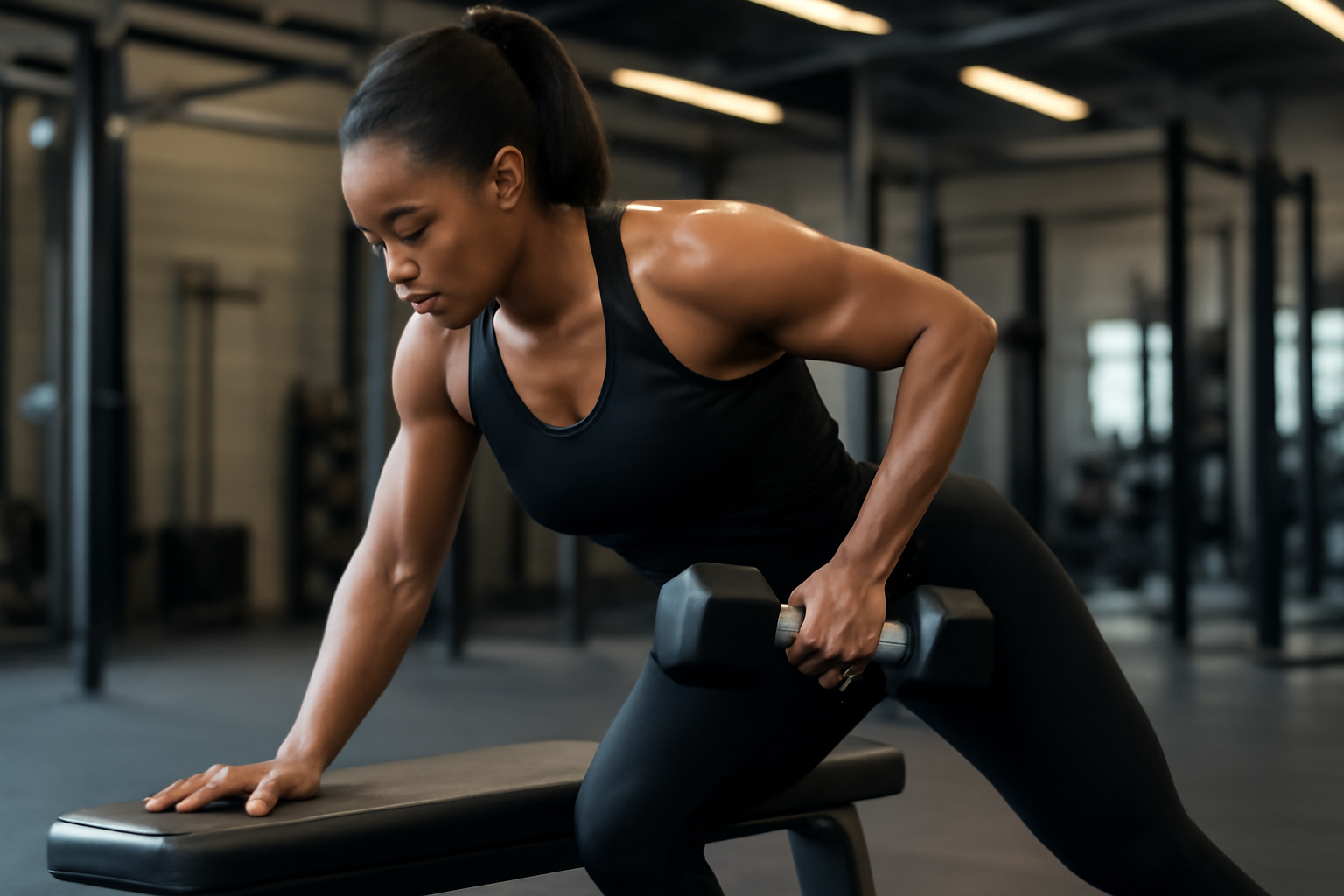
Proper form is essential for increasing your dumbbell row strength. Without proper form, you might not target the muscles properly or even risk injury.
- Posture: Keep your back straight throughout the movement. Avoid rounding your back to prevent strain. Your core should be tight to support your spine.
- Grip: Hold the dumbbells firmly with your palms facing up or down. A strong grip will help you lift more and target the muscles more effectively.
- Range of Motion: Lower the dumbbells all the way down, then pull them up to your ribs. This full range of motion ensures you're working your muscles as much as possible.
2. Choosing the Right Weight
Using the right weight is key to building strength. If the weight is too light, you won't challenge your muscles enough, and if it's too heavy, you may compromise your form.
- Start with a weight that allows you to perform 8-12 reps with good form but feels challenging after the last few reps.
- Gradually increase the weight over time to continue making progress.
3. Reps and Sets for Strength
For strength training, focus on heavier weights and lower reps. A good goal is to aim for 4-6 sets of 4-8 reps per set. This will help you build power and muscle.
- Rest between sets: Take 60-90 seconds to rest between sets to give your muscles time to recover.
4. Using Grip Variations
Changing your grip can help target different muscles and increase your strength.
- Overhand grip: Works your upper back and rear delts more.
- Neutral grip: Focuses more on your lats and reduces strain on your shoulders.
Try using different grips to see which feels best for you and to work your muscles in various ways.
Advanced Dumbbell Row Variations to Boost Strength
1. Single-Arm Dumbbell Row
The single-arm dumbbell row is an excellent way to target each side of your back individually. This variation helps you focus more on one side, which can improve muscle imbalances.
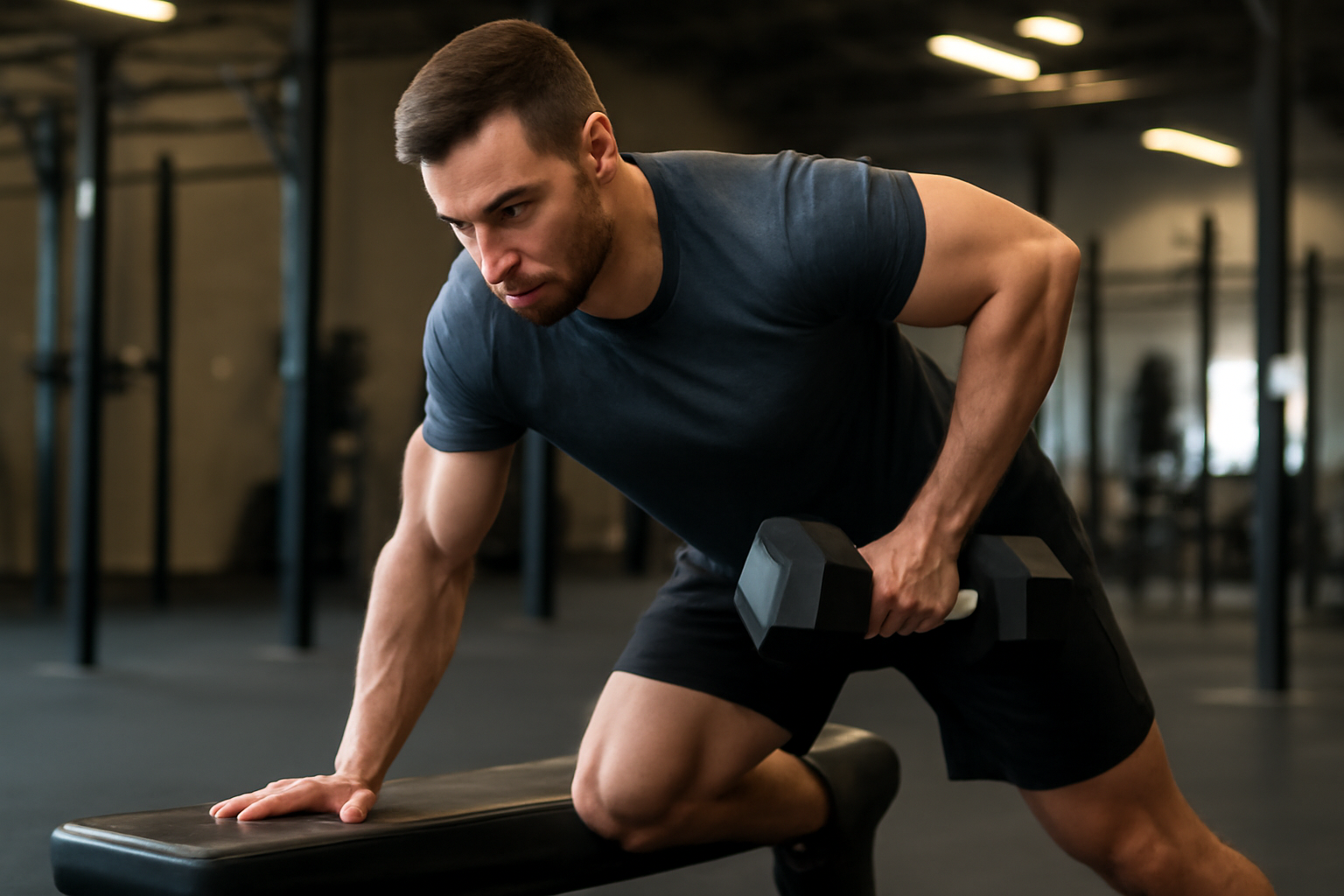
- How to Do It: Place one knee and hand on a bench for support. With your free hand, hold a dumbbell and pull it up to your rib. Slowly lower it back down.
- Benefits: This move allows you to go heavier on each side and engage your core for stability.
2. Bent-Over Dumbbell Row
The bent-over dumbbell row is a classic version that hits the entire back. It also challenges your core as you maintain balance and form.
- How to Do It: Stand with feet shoulder-width apart, bend your knees slightly, and hinge at your hips. Hold the dumbbells with your palms facing your body and row them up to your chest.
- Benefits: This variation allows you to work both sides at once and improve overall back strength.
3. One-Arm Dumbbell Row with Bench Support
This variation uses a bench to help support your body and isolate your back muscles more effectively.
- How to Do It: Place one knee and hand on a bench, keeping your back flat. With your other hand, hold a dumbbell and row it up toward your rib.
- Benefits: The bench provides extra stability, allowing you to use heavier weights and focus on muscle activation.
4. Alternating Dumbbell Row
Alternating dumbbell rows involves rowing each dumbbell one at a time, alternating sides. This variation helps improve coordination and symmetry.
- How to Do It: Hinge at your hips and row one dumbbell at a time, pulling one dumbbell up while the other stays down.
- Benefits: This exercise gives you a break between sides, allowing for better control and focus on form.
Dumbbell Row Strength Training Tips & Strategies
1. Consistency is Key
Consistency in your training is essential for building strength. Aim to incorporate dumbbell rows into your workout routine 2-3 times a week. This frequency will help you progressively overload your muscles and build strength over time.
- Pro Tip: Schedule your workouts to ensure you stick to your routine. Consistency is what leads to long-term progress.
2. Progressive Overload
Progressive overload is when you gradually increase the challenge of your workouts by increasing the weight, reps, or intensity. For dumbbell rows, this means lifting heavier weights, doing more sets, or increasing the number of reps you do.
- How to Apply It: Each week, try adding a small amount of weight to your dumbbell rows or aiming to perform one extra rep in each set. Small adjustments can lead to big gains over time.
3. Mix Dumbbell Rows with Compound Movements
Dumbbell rows are great, but combining them with other compound exercises like deadlifts, squats, or pull-ups can improve your overall strength.
- Why It Works: Compound movements work multiple muscle groups at once, boosting overall strength and improving muscle coordination. Adding dumbbell rows to these exercises will give your back a balanced, full-body workout.
4. Focus on Form and Control
Form is everything when it comes to strength training. Lifting with bad form can lead to injury and slow your progress. Instead, focus on controlled, deliberate movements throughout your dumbbell row sets.
- Tip for Control: Lower the dumbbells slowly during the eccentric (lowering) phase of the movement. This will increase time under tension and lead to better muscle growth.
5. Rest and Recovery
Muscles grow and get stronger during rest, not during the workout itself. Make sure you are allowing adequate time for recovery between dumbbell row sessions. This rest period is crucial for muscle repair and growth.
- Rest Time: Give yourself 48 hours of rest between workouts that target the same muscle groups to avoid overtraining.
Common Mistakes to Avoid in Dumbbell Rows
1. Rounding Your Back
One of the most common mistakes people make when doing dumbbell rows is rounding their back. This puts unnecessary strain on your spine and can lead to injury.
- How to Fix It: Always keep your back straight, not hunched. Engage your core to maintain stability and protect your lower back.
2. Using Momentum
Another mistake is using Momentum to swing the dumbbells up. While this may allow you to lift heavier weights, it reduces the exercise's effectiveness and increases the risk of injury.
- How to Fix It: Focus on slow and controlled movements. Avoid jerking the weights up, and ensure you're lifting the dumbbells using your muscles, not your body swing.
3. Lifting Too Heavy Too Soon
While it's important to challenge yourself, lifting too heavy too soon can compromise your form, slow your progress, and lead to injury.
- How to Fix It: Start with a manageable weight and gradually increase it as you build strength. Focus on mastering the technique before adding more weight.
4. Not Fully Extending Your Arms
Some people stop the movement too early, not fully extending their arms at the bottom of the movement. This limits the range of motion and reduces muscle activation.
- How to Fix It: Lower the dumbbells all the way down, allowing your arms to fully extend before pulling them back up. This ensures maximum muscle engagement.
5. Not Engaging Your Core
Your core plays a big role in stabilizing your body during dumbbell rows. If your core isn't engaged, you may start to lean or sway, which can affect your form and lead to injury.
- How to Fix It: Keep your core tight throughout the exercise, as if you're bracing for a punch. This will help you stay stable and support your spine during the movement.
FAQ (Frequently Asked Questions)
1. How do I perform a dumbbell row correctly?
To perform a dumbbell row correctly:
- Stand with your feet shoulder-width apart.
- Hinge forward at the hips, keeping a straight back.
- Hold a dumbbell in each hand with your palms facing down (or in, for a neutral grip).
- Pull the dumbbells towards your torso, squeezing your shoulder blades together.
- Lower the weights slowly to the starting position, keeping control of the movement throughout.
Focus on using your back muscles, not your arms, to lift the weights.
2. What muscles do dumbbell rows work?
Dumbbell rows primarily target:
- Lats: These large muscles along your back help create width.
- Rhomboids: Located between your shoulder blades, they improve posture.
- Traps: These muscles support shoulder and neck movement.
- Rear Delts: Strengthening the back of the shoulders for better overall shoulder stability.
It's a great full-back exercise that works multiple muscles at once.
3. Should I use straps for dumbbell rows?
Lifting straps can help if you have grip strength issues, especially when you're lifting heavier weights. However, if you're still able to maintain a solid grip, it's best to train without straps. This allows you to build stronger forearms and improve overall grip strength.
4. Can dumbbell rows help with back pain?
Yes, strengthening your back muscles through exercises like dumbbell rows can help reduce back pain. By improving posture and building strength in the muscles that support your spine, dumbbell rows can help prevent discomfort, especially in the lower back. However, if you have existing back injuries, it's important to consult a healthcare provider before starting any new exercises.
5. How many dumbbell rows should I do?
For strength, aim for 4-6 sets of 4-8 reps. For muscle endurance, try 3-4 sets of 10-12 reps. Adjust based on your fitness goals. Ensure you progressively overload over time to keep improving.
Final Thoughts
To sum up, improving your dumbbell row strength is about getting your form right and staying consistent. Start with the right weight and focus on good technique. Gradually, you will see stronger back muscles and better overall strength.
Now that you know what to do, it's time to take action. Use these tips in your next workout and start lifting heavier. If you need quality dumbbells or other home gym equipment, Hamilton Home Fitness has you covered. Our gear is perfect for building strength at home.
We want to hear from you! Share your thoughts or ask questions in the comments. And don't forget to share this guide with anyone who might find it helpful. Also, check out Hamilton Home Fitness for more equipment and fitness tips.