Introduction
A Functional Trainer with Smith Machine can seem like a smart buy. It saves space and lets you do many exercises in one unit. But it also brings real trade-offs. Fixed bar paths and many moving parts can lead to safety and wear issues.
This guide names the common drawbacks you should know. We cover safety and form mistakes, cable and pulley wear, repair costs, and how the machine affects free-weight skill. You will also get simple checks, easy fixes, and buying tips from Hamilton Home Fitness.
Whether you train at home or run a gym, this guide will help you decide. Use it to spot problems, reduce risk, and pick gear that fits your space and goals.
Safety & Biomechanics
Joint Stress & Bar Path
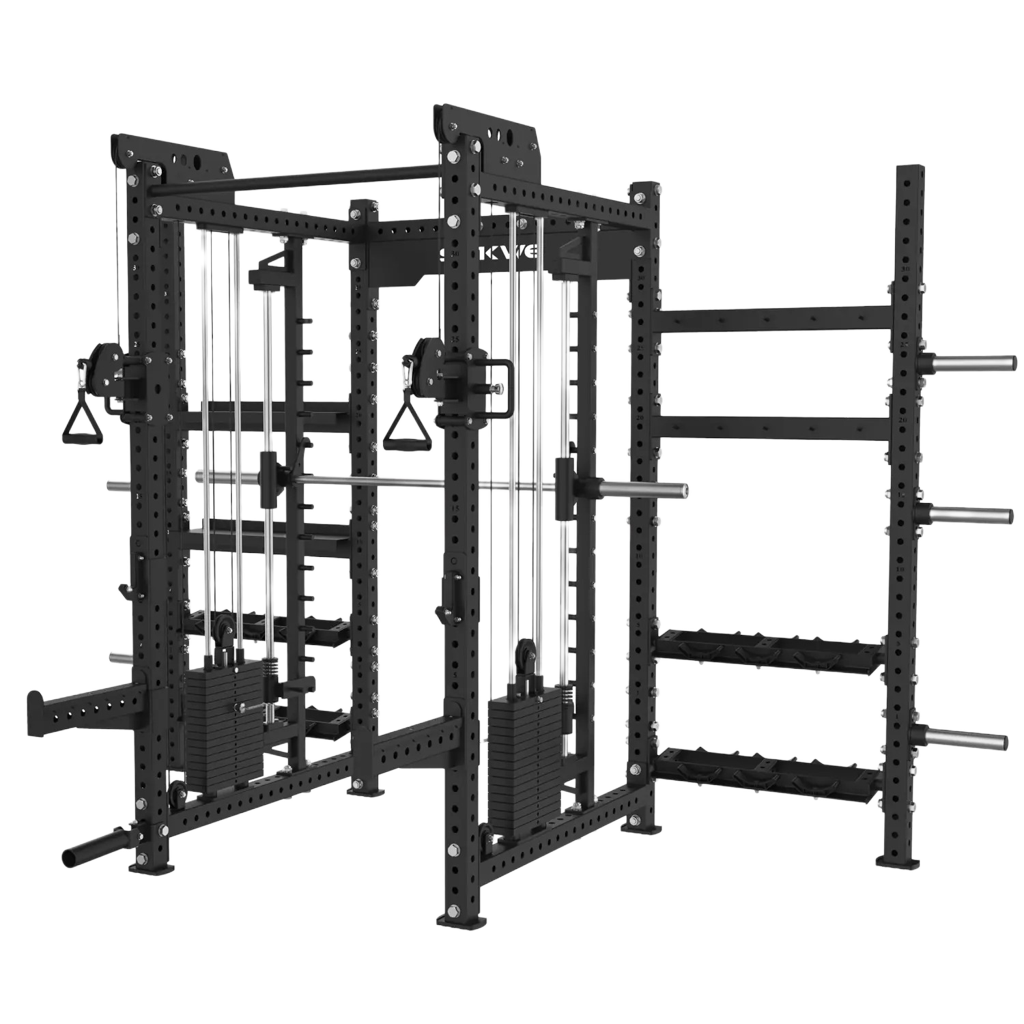
A Smith machine locks the bar into a set path. That change can move force in odd ways across your joints. If your hips, knees, or shoulders don’t line up with the track, stress shifts to ligaments and tendons. People with tight ankles or hips feel this most. Over time, that extra strain can cause pain. If a move feels forced or awkward, stop. Your body should move naturally, not be bent to fit the machine.
Common Form Mistakes
A lot of people treat the Smith like a free bar. They put their feet too far forward or lean too much. On the cable side, wrong pulley height and a shaky base are common. These errors make one side do more work than the other. They hide mobility limits and raise the chance of injury. A mirror or phone video will show most faults. Simple cues—stance, brace, slow tempo—fix most problems fast.
Safety Checklist & Tests
Do a quick check each time you use the machine. Feel the guide rods for smooth travel. Test the safety stops at your working height. Run each cable unloaded to find slack or binding. Do two slow, empty reps on the Smith to sense drift or chatter. If the unit binds, tag it out and call service. Pair Smith sets with free-weight or single-leg work to keep stabilizers strong. Teach these checks to everyone who uses the gear. Small habits protect people and keep training honest.
Mechanical Failures & Wear
Cable & Pulley Wear
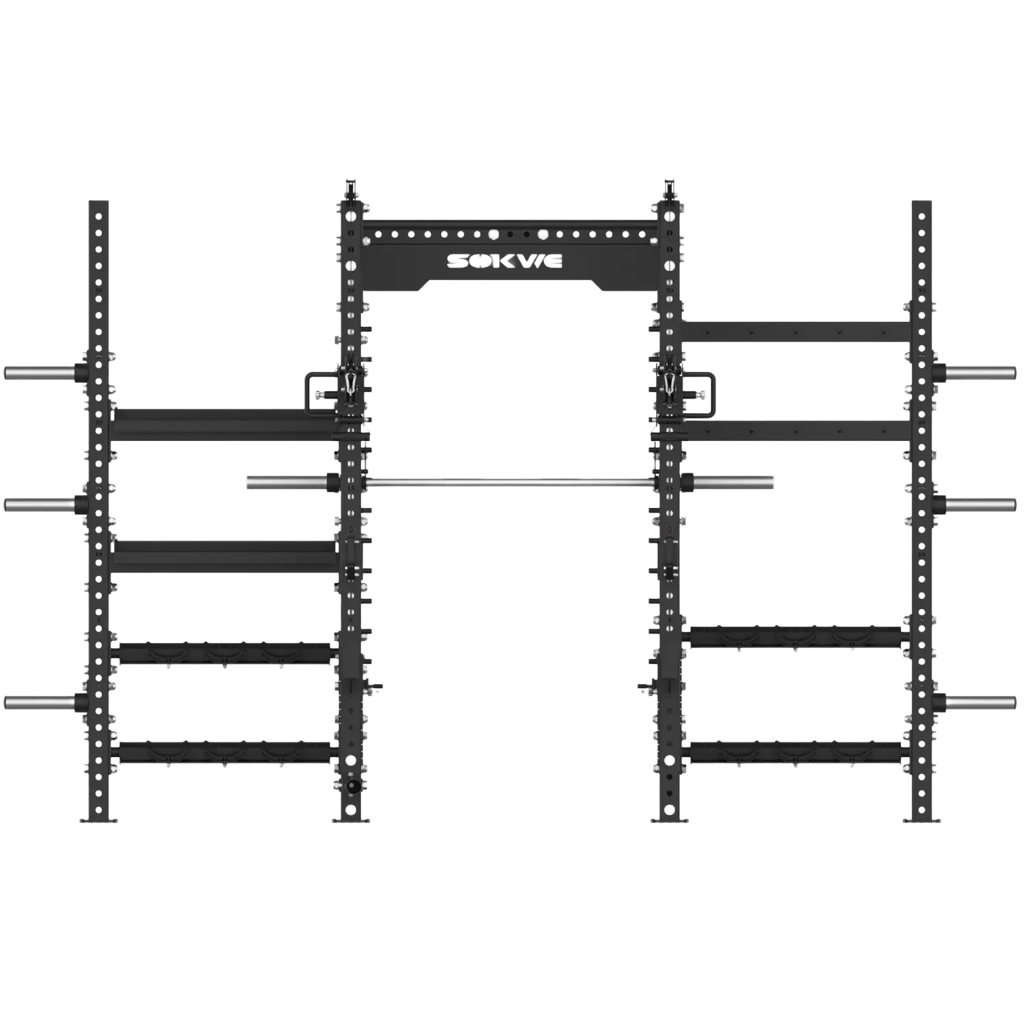
Cables and pulleys are the parts that fail first. Look for frayed wires, rust, or a rough feel when you pull. Listen for grinding or clicking from the pulleys. In busy gyms, inspect cables weekly. For home gyms, check monthly. Replace any cable with visible fray—don’t delay. Use only OEM or high-quality replacements. Cheap cables can stretch or break early and risk injury. Keep pulleys clean and lightly lubricated. A small habit of care prevents sudden failures.
Bar Path Drift Causes
When the Smith carriage drifts or binds, it usually starts small. Dirt, worn bushings, bent guide rods, or poor lubrication are common causes. Metal fatigue or loose fasteners can also change the bar track. Run the empty bar slowly and watch for wobble or scraping. If the bar pulls left or right, tag it out. Fixing bushings or straightening a rod early is far less costly than rebuilding the whole carriage. Regular checks catch drift before it becomes a hazard.
Repair Costs & Parts
Repairs range from cheap to expensive. A pulley or cable swap is low cost. Replacing a bent rod or a worn carriage is pricier. Ask vendors about spare-part lead times before you buy. OEM parts fit better and last longer, though they cost more. For commercial gyms, budget for annual parts and a small inventory of common spares. For home buyers, factor a one-time service or inspection fee into your ROI. Good vendors also offer technician training—invest in that. It saves money and keeps members safe.
Training Limits & Programming
Stabilizer Activation Loss
A Smith machine makes stability easier. The guided bar reduces demand on small stabilizer muscles. Over time, those muscles can grow weaker. That lowers balance and real-world strength. To fix this, add free-weight and unilateral moves. Single-leg squats, single-arm presses, and plank variations force stabilizers to work. Use anti-rotation cable drills to rebuild core control. Keep loads moderate at first. Focus on slow, clean reps and tight bracing.
Exercise Transferability
Not every lift translates well from Smith to sport or free weights. Olympic lifts, dynamic cleans, and overhead walking lunges lose timing and feel when done on a guided track. Power and reactive strength need a free bar and freedom of motion. Use the Smith for volume, tempo, and rehab work. Reserve free bars and trap bars for skill, speed, and power. If athletes must train on a hybrid, include regular free-bar skill sessions to keep timing and proprioception sharp.
Program Adjustments & Alternatives
Plan training around the machine’s limits. Pair Smith-heavy days with free-weight or unilateral sessions. Use bands or chains to add variable resistance and improve force curves. Employ cables for anti-rotation, single-leg RDLs, and controlled pressing work. For beginners and rehab clients, start with Smith-guided safety, then progress to free-weight competence as form and stability improve. Track progress with simple tests: single-leg balance, unweighted squat depth, and medicine-ball throws. Small, smart changes keep training safe and functional.
Maintenance, Cost & ROI
Warranty & Dealer Tips
Always read the fine print. Check what the warranty covers: frame, carriage, cables, electronics. Ask about response times and on-site service. Negotiate installed warranties and some spare parts up front. Verify dealer training for your staff. Local service partners cut downtime. For large buys, ask for a service-level agreement (SLA) with clear response windows and remedies for long outages.
Preventative Maintenance Plan
Build simple routines people will follow. Do a daily visual check and tag faults. Weekly: run empty cable strokes and test safety stops. Monthly: lubricate guide rods, inspect bushings, and log pulley noise. Yearly: hire a tech for a full tune-up. Keep a dated log with photos of repairs and parts used. Train staff to spot frays, binding, or odd bar drift. Small, regular steps prevent big bills and keep members safe.
Space & Installation Needs
Measure twice. Allow 6–8 ft of forward space and 2–3 ft side clearance for cable arcs. Check ceiling height—tall users need more room. Plan for doorways and stair wells during delivery. Anchor or level the unit if floors are uneven. Hire pros for installation; mistakes cost more than the install fee. Factor delivery, setup, taxes, and a modest parts budget into your ROI. A good rule: budget a small annual reserve (roughly 5–10% of purchase price) for maintenance and parts. That keeps the machine working and your business calm.
Final Thought
A functional trainer with a Smith machine can be a brilliant, space-saving tool when chosen and used wisely. It offers control, safety and programming options—but only if you respect its limits. Know the safety trade-offs. Run simple daily checks. Build a maintenance routine. Pair machine work with free-weight and unilateral drills so strength and balance don’t erode.
Buy from vendors who stand behind their products. Negotiate service, parts and training up front. For gyms, budget for upkeep and staff education. For home users, factor in one-time service costs and spare parts.
Hamilton Home Fitness helps you make those choices. We provide site evaluations, model advice, local installation and reliable service across the GTA, Tennessee and beyond. Protect members, protect your investment, and choose gear that supports real progress. If you want a free, practical review of your space and needs, reach out—let’s make your equipment work for people, not the other way around.